
The Ultimate, Powerful Guide to Choosing the Right Protein for Your Goals
Whey protein concentrate vs isolate this is one of the most searched questions in the fitness world, and honestly, it is easy to see why. Walk into any supplement store or scroll through any nutrition website, and you will find both options side by side, often at very different price points.
Most people just grab whatever looks fancy or costs less. But your choice here can genuinely impact your digestion, your calorie intake, your workout results, and even your wallet. Getting this wrong is more common than you think.
In this guide, we break down the real differences between whey protein concentrate and isolate no fluff, no brand bias. Just clear, research-backed information to help you decide which one actually fits your life.
What Is Whey Protein? A Quick Background
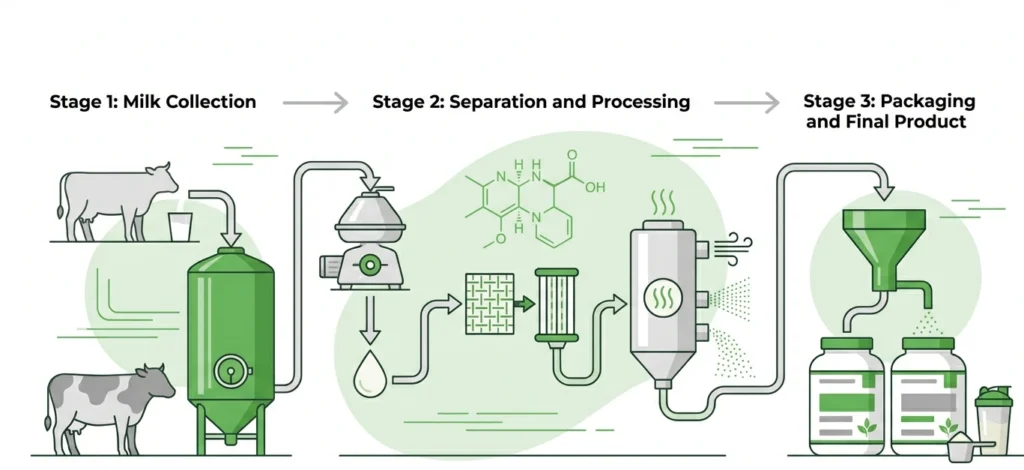
Before we compare whey protein concentrate vs isolate, it helps to understand where whey comes from.
Whey is a byproduct of cheese manufacturing. When milk is curdled and the solid curds are separated, the liquid that remains is whey. This liquid is then processed, filtered, and dried to create the whey protein powder you scoop into your shaker bottle every day.
Whey is considered a complete protein meaning it contains all nine essential amino acids your body cannot produce on its own. It is particularly rich in leucine, which is one of the key amino acids that triggers muscle protein synthesis.
The difference between concentrate and isolate comes down to how much further that raw whey liquid is processed after initial separation.
Whey Protein Concentrate: What You Need to Know
How Whey Concentrate Is Made
Whey concentrate goes through a basic filtration process called ultrafiltration. This removes some fat and lactose, but not all of it. The result is a powder that typically contains:What Is Whey Protein Concentrate? Benefits, Uses & Everything You Need to Know
- 70–80% protein by weight
- Moderate fat content
- Some lactose (milk sugar)
- Naturally occurring bioactive compounds like immunoglobulins and lactoferrin
The Real Advantages of Whey Concentrate
Concentrate is not the “lesser” option it just has different strengths.
- More affordable: Because it requires less processing, concentrate is significantly cheaper per serving than isolate.
- Rich flavor profile: The fat content in concentrate actually contributes to a creamier, more satisfying taste, which is why many people prefer it in shakes and baked goods.
- More bioactive compounds: The less aggressive filtration preserves more naturally occurring beneficial compounds in whey.
- Great for general fitness and muscle building: If you are not lactose-sensitive and you are on a standard calorie surplus or maintenance, concentrate does the job perfectly well.
Whey Protein Isolate: What Makes It Different
How Whey Isolate Is Made
Whey isolate undergoes a more intensive processing step typically ion-exchange or cross-flow microfiltration that strips out even more fat and lactose. This produces a leaner, purer product:What Is Whey Protein Isolate? The Complete Guide You Actually Need
- 90%+ protein by weight
- Very low fat
- Minimal to trace lactose
- Fewer calories per gram of protein
The Real Advantages of Whey Isolate
- Better for lactose intolerance: With most of the lactose removed, isolate is much easier to tolerate for people who get bloated or gassy with regular dairy.
- Higher protein per calorie: If you are in a calorie deficit (cutting phase), every calorie counts. Isolate lets you hit your protein targets with fewer total calories.
- Faster digestion: Isolate tends to absorb slightly faster, which can be useful immediately after training.
- Lower fat: For those closely tracking macros, the near-zero fat in isolate makes it easier to hit precise nutritional targets.
Whey Protein Concentrate vs Isolate: Side-by-Side Comparison
Here is a clear breakdown to make comparing these two options easier:https://www.healthline.com/nutrition/whey-protein-101
| Factor | Whey Concentrate | Whey Isolate |
| Protein % | 70–80% | 90%+ |
| Lactose | Higher (may cause issues) | Very low / trace |
| Fat Content | Moderate | Minimal |
| Calories per scoop | ~130–150 kcal | ~110–120 kcal |
| Price | Budget-friendly | Premium |
| Digestion Speed | Moderate | Fast |
| Best For | General fitness, bulking | Cutting, lactose intolerance |
| Taste/Mixability | Rich, creamy | Lighter, cleaner |
Whey Protein Concentrate vs Isolate: Which Is Actually Better?
Here is the honest answer: neither one is universally better. The right choice depends entirely on your personal situation.
Choose Whey Concentrate If…
- You have no issues with lactose or dairy
- You are on a budget and want maximum value
- You are in a muscle-building (bulking) phase where extra calories are welcome
- You prefer a richer, creamier shake
- You are a beginner to supplementation and want a solid, cost-effective starting point
Choose Whey Isolate If…
- You are lactose intolerant or have a sensitive digestive system
- You are cutting calories and want maximum protein with minimal fat and carbs
- You are an athlete who closely tracks every macronutrient
- You need faster post-workout absorption
- You prefer a lighter, less heavy shake
Powerful Myth-Busting: What Most People Get Wrong
Myth 1: Isolate Builds More Muscle Than Concentrate
This is simply not true for most people. Both forms of whey are highly effective for muscle protein synthesis. The marginal difference in absorption speed between the two is unlikely to make a meaningful difference in your results unless you are an elite athlete optimizing every variable.
Myth 2: Concentrate Is Low Quality
Not at all. Concentrate from a reputable brand can be just as effective for muscle building and recovery. The lower protein percentage does not mean lower quality protein it means there is more of the other naturally occurring components present, including beneficial bioactive fractions.
Myth 3: You Need to Take Isolate Post-Workout
The post-workout anabolic window is far longer than people believe. Research suggests it extends for several hours, not just 30 minutes. Whether you use concentrate or isolate post-workout, you will still see solid results as long as your total daily protein intake is adequate.https://pubmed.ncbi.nlm.nih.gov/23360586/
Myth 4: Isolate Is Always Worth the Extra Cost
If you are not lactose sensitive and you are not aggressively cutting calories, the extra cost of isolate may simply not be justified. Concentrate often delivers 80% of the benefit at 60–70% of the price.
How Much Protein Do You Actually Need?
Before worrying too much about concentrate vs isolate, make sure your total daily protein intake is on point. General research-based guidelines:
- Sedentary adults: 0.8g per kg of body weight
- Active individuals: 1.4–1.7g per kg of body weight
- Serious strength athletes: 1.6–2.2g per kg of body weight
Whey protein — whether concentrate or isolate — is a convenient tool to help hit these targets, especially when whole food protein sources are not always practical.
Timing Your Whey Protein Concentrate vs Isolate Intake
Both forms work well at multiple points in the day. Here are some practical recommendations:
- Post-workout: Both work well. If you want slightly faster absorption, choose isolate. If it does not matter to you, concentrate is fine.
- Morning: Either option works as a convenient breakfast addition when you are short on time.
- Between meals: Concentrate makes a satisfying snack option due to its richer taste.
- Before bed: Many experts recommend casein protein (not whey) before sleep for sustained overnight protein delivery. But if whey is what you have, either form will still contribute to your daily protein total.
Possible Side Effects of Whey Protein Concentrate vs Isolate
With Concentrate:
- Bloating or gas in lactose-sensitive individuals
- Slightly higher calorie intake
- Less suitable for strict low-fat diets
With Isolate:
- Higher cost per serving
- Some people find the taste and texture less satisfying
- Potential over-reliance on expensive supplements when whole foods would serve just as well
| Important Note |
| If you experience persistent digestive issues with any whey protein, consider switching from concentrate to isolate first. |
| If problems persist, you may have a broader dairy sensitivity or whey intolerance, and a plant-based protein may be a better fit. |
What About Whey Protein Blends?
Many brands now sell products that blend whey concentrate and isolate together. These blends can offer a middle ground better price than pure isolate, slightly higher protein per serving than pure concentrate, and often a decent taste profile.
If you find yourself torn between the two, a high-quality blend from a reputable brand can be a smart practical choice.
Always read the label to see which form is listed first in the ingredient list that tells you which one makes up the larger proportion of the blend.
How to Choose a Quality Whey Protein: What to Look For
Whether you choose concentrate or isolate, here is what to check on the label:
- Third-party testing: Look for certifications from Informed Sport, NSF Certified for Sport, or Labdoor. These ensure the product contains what it claims.
- Protein per serving: Compare protein per 100 calories across brands, not just grams per scoop. Scoop sizes vary widely.
- Minimal additives: Avoid products with excessive fillers, artificial sweeteners in huge amounts, or proprietary blends that hide exact ingredient quantities.
- Reputable manufacturer: Choose brands with transparent sourcing and manufacturing practices.
References
The following sources were consulted in the preparation of this article:
- Devries, M.C., & Phillips, S.M. (2015). Supplemental protein in support of muscle mass and health: advantage whey. Journal of Food Science, 80(S1), A8–A15.
- Wit, J.N. de (1998). Nutritional and functional characteristics of whey proteins in food products. Journal of Dairy Science, 81(3), 597–608.
- Tang, J.E., et al. (2009). Ingestion of whey hydrolysate, casein, or soy protein isolate: effects on mixed muscle protein synthesis at rest and following resistance exercise in young men. Journal of Applied Physiology, 107(3), 987–992.
- Madureira, A.R., et al. (2007). Bovine whey proteins Overview on their main biological properties. Food Research International, 40(10), 1197–1211.
- Phillips, S.M., et al. (2016). Protein ‘requirements’ beyond the RDA: implications for optimizing health. Applied Physiology, Nutrition, and Metabolism, 41(5), 565–572.
- Churchward-Venne, T.A., et al. (2012). Supplementation of a suboptimal protein dose with leucine or essential amino acids: effects on myofibrillar protein synthesis at rest and following resistance exercise in men. Journal of Physiology, 590(11), 2751–2765.
- Morton, R.W., et al. (2018). A systematic review, meta-analysis and meta-regression of the effect of protein supplementation on resistance training-induced gains in muscle mass and strength in healthy adults. British Journal of Sports Medicine, 52(6), 376–384.
Frequently Asked Questions (FAQ): Whey Protein Concentrate vs Isolate
Q: Is whey protein concentrate vs isolate really that different in terms of muscle building results?
A: For most people, the difference in muscle building outcomes between concentrate and isolate is minimal. Both deliver high-quality, complete protein with all essential amino acids. The speed of digestion is slightly faster with isolate, but research shows this marginal difference rarely translates into meaningfully better muscle gains in practical real-world conditions. Unless you are an elite athlete fine-tuning every variable, your total daily protein intake matters far more than which form of whey you choose.
Q: Can I use whey concentrate if I am lactose intolerant?
A: It depends on the severity of your lactose intolerance. Whey concentrate still contains a moderate amount of lactose, which can trigger digestive symptoms like bloating, gas, or discomfort in sensitive individuals. If you are mildly lactose intolerant, you may tolerate concentrate without significant issues. However, if you experience regular digestive discomfort, switching to whey isolate (which has very little lactose) or a lactose-free protein option would be the smarter choice.
Q: Is whey isolate worth the extra cost?
A: Whey isolate is worth the extra cost in specific situations particularly if you are lactose sensitive, aggressively cutting calories, or closely tracking macros for competition. However, if you have no digestive issues and you are not on a strict low-calorie diet, whey concentrate provides excellent value at a significantly lower price point. The performance difference for the average gym-goer is not significant enough to justify the premium in most cases.
Q: Does whey protein concentrate vs isolate matter more when cutting or bulking?
A: Yes, your goal does influence which is more appropriate. During bulking (calorie surplus), concentrate works very well. The extra fat and carbohydrates from lactose contribute a few additional calories per serving, which is not a problem when you are trying to eat more overall. During cutting (calorie deficit), isolate is the smarter choice. It delivers more protein per calorie, helping you hit your protein targets without eating into your limited calorie budget.
Q: How many times a day should I take whey protein?
A: There is no fixed rule, but research suggests that protein synthesis is optimally stimulated when protein intake is spread across 3–4 meals per day, each containing roughly 20–40g of protein. Most people take whey protein once or twice per day often post-workout and/or in the morning. Whether you use concentrate or isolate in those servings, the key is meeting your total daily protein target consistently.
Q: Can women take whey protein concentrate or isolate?
A: Absolutely. Whey protein is not specifically a male supplement. Women benefit equally from adequate protein intake for muscle preservation, fat loss, recovery, and overall health. Both concentrate and isolate are suitable for women. The same guidelines apply: if you are cutting or lactose sensitive, isolate may serve you better. For general use, concentrate is perfectly effective and more economical.
Q: Is it safe to take whey protein every day?
A: For most healthy individuals, daily whey protein consumption is considered safe. Whey is a well-researched supplement with an excellent safety record. The key is to keep total protein intake within reasonable ranges (generally under 2.5g per kg of body weight per day for most active adults) and to ensure your overall diet includes a variety of nutrient-dense whole foods. People with pre-existing kidney conditions should consult a healthcare provider before significantly increasing protein intake.
Q: What is the difference between whey protein concentrate, isolate, and hydrolysate?
A: All three come from the same source (whey), but differ in processing: Concentrate: least processed, 70-80% protein, moderate fat and lactose, most affordable. Isolate: more processed, 90%+ protein, very low fat and lactose, mid-to-high price. Hydrolysate: pre-digested (enzymatically broken down), fastest absorption, highest price, often used in clinical settings or by elite athletes with very specific needs. For the vast majority of gym-goers, concentrate or isolate is more than sufficient
DISCLAIMER
The information provided in this article is intended for general educational and informational purposes only. It is not a substitute for professional medical advice, diagnosis, or treatment.
Always seek the guidance of your physician, registered dietitian, or other qualified health professional before making changes to your diet or supplement regimen, especially if you have a pre-existing medical condition, are pregnant, breastfeeding, or are taking medications.
Individual results from protein supplementation vary and depend on numerous factors including overall diet, training program, genetics, sleep, and lifestyle habits. Neither the author nor the publisher guarantees specific outcomes from the use of whey protein concentrate or isolate.
Product recommendations, brand names, and nutritional figures referenced in this article are based on general market information available at the time of writing. Always verify current nutritional information on the specific product label before purchase.
This article may contain general references to scientific research. These references are cited for informational purposes; readers are encouraged to review the original studies for complete context. The inclusion of a study does not imply endorsement of any specific product or brand.
.