
What is whey protein isolate and is it actually worth your money? If you have been staring at supplement shelves wondering what separates isolate from concentrate, you are not alone. This question comes up every day in gyms, nutrition clinics, and online forums worldwide.
The short answer: whey protein isolate (WPI) is one of the purest, fastest-digesting forms of protein available on the market. It is derived from milk, processed to remove most of the fat and lactose, and delivers an impressive amino acid profile per serving.
But there is a lot more to know before you buy. This guide breaks down everything how it is made, who should use it, its real benefits, potential downsides, and how it compares to other protein types.
What Is Whey Protein Isolate, Exactly?
Whey protein isolate is a highly refined form of whey protein that contains at least 90% protein by weight per serving. It starts its life as a by-product of cheese manufacturing the liquid leftover after milk is curdled and strained is called whey.
That liquid whey then goes through an extensive filtration process usually cross-flow microfiltration or ion exchange to strip out most of the fat, carbohydrates, and lactose, leaving behind a concentrated protein powder.
The result? A product that is lean, clean, and digests quickly. A typical 30g scoop of whey protein isolate delivers roughly 25–28g of protein with fewer than 1–2g of fat and carbs combined.
Whey Protein Isolate vs. Whey Protein Concentrate: What Is the Difference?
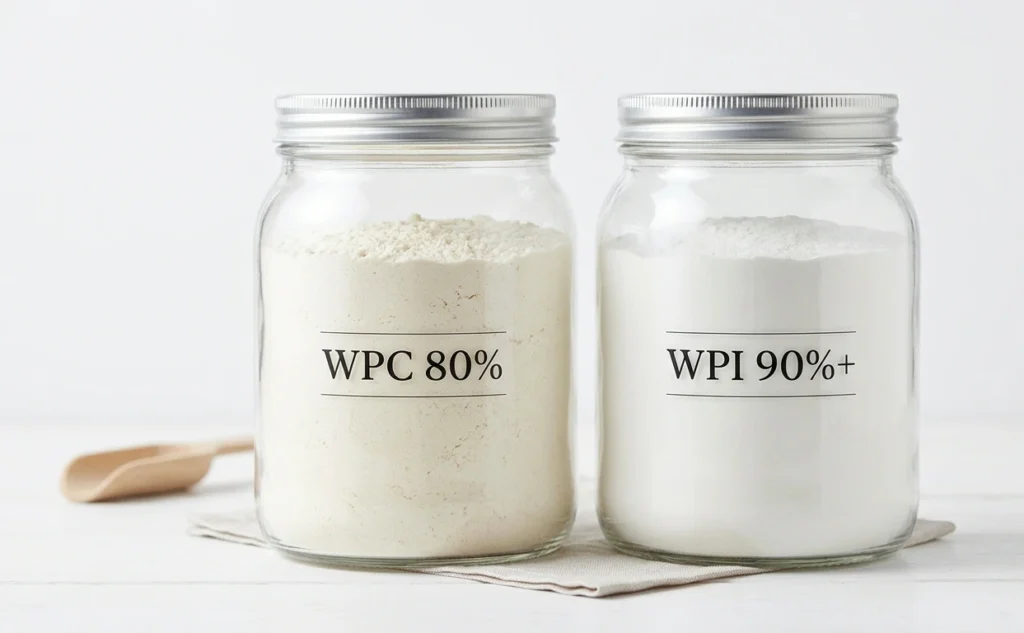
This is one of the most common questions around whey protein isolate. Here is a quick breakdown:
- Whey Protein Concentrate (WPC): Contains 70–80% protein. Has more fat, carbs, and lactose per serving. Less processed. Usually cheaper.
- Whey Protein Isolate (WPI): Contains 90%+ protein. Minimal fat and lactose. More processed and filtered. Slightly more expensive.
- Whey Protein Hydrolysate: Pre-digested form for even faster absorption. Tends to be the most expensive.
If you are lactose intolerant or watching your calories closely, whey protein isolate is typically the better choice between WPI and WPC.What Is Whey Protein Concentrate? Benefits, Uses & Everything You Need to Know
How Is Whey Protein Isolate Made?
The manufacturing process matters because it directly affects the quality of the final product. There are two primary methods:
1. Ion Exchange: Uses chemical pH manipulation to isolate protein. Very high protein purity but may damage some bioactive proteins in the process.
2. Cross-Flow Microfiltration (CFM): Uses physical membrane filters rather than chemicals. Preserves more of the natural bioactive fractions like immunoglobulins and lactoferrin widely considered the superior method.
Always check your supplement label. Quality brands will mention the filtration method used.What Is Whey Protein? The Complete Guide You Actually Need to Read
Key Benefits of Whey Protein Isolate
1. High Protein Density Per Serving
What is whey protein isolate best known for among athletes? Its sheer protein density. With 90%+ protein content, you get more protein per gram compared to other forms. This is especially important for people on calorie-restricted diets who still need to hit high protein targets.
2. Fast Absorption and Digestion
Whey protein isolate digests quickly and spikes amino acid levels in the bloodstream within 30–60 minutes of consumption. This makes it particularly effective as a post-workout shake when your muscles are primed to absorb nutrients and begin repair.
3. Rich in Essential Amino Acids and BCAAs
Whey protein isolate contains all nine essential amino acids, including high concentrations of branched-chain amino acids (BCAAs) leucine, isoleucine, and valine. Leucine, in particular, is the main driver of muscle protein synthesis.
A typical serving of WPI provides around 10–12g of BCAAs, making it one of the most BCAA-dense protein sources available.https://pubmed.ncbi.nlm.nih.gov/19056590/
4. Low in Lactose — Great for Sensitive Stomachs
One of the biggest practical advantages of whey protein isolate is its extremely low lactose content. The filtration process removes the vast majority of lactose, making WPI generally well-tolerated by people who experience discomfort with regular dairy or whey concentrate products.
However, if you have a true milk protein allergy (rather than just lactose intolerance), https://www.mayoclinic.org/diseases-conditions/milk-allergy/symptoms-causes/syc-20375101you should consult a healthcare professional before using any whey-based product.
5. Supports Muscle Growth and Recovery
Dozens of peer-reviewed studies have confirmed the role of whey protein in supporting muscle protein synthesis. Consuming whey protein isolate after resistance training has been consistently associated with greater lean mass gains compared to carbohydrate placebos and even some other protein sources.
6. May Support Weight Management
Protein is the most satiating macronutrient, and whey protein isolate is no exception. Studies have found that higher protein intakes are associated with reduced hunger, lower overall calorie consumption, and better body composition outcomes over time.
Because WPI is very low in carbs and fat, it fits cleanly into a wide range of dietary approaches including low-carb, ketogenic, and calorie-deficit protocols.
Who Should Use Whey Protein Isolate?
Understanding what is whey protein isolate is only useful if you know whether it fits your goals. Here is who benefits most:
- Athletes and bodybuilders looking for rapid post-workout recovery.
- People on calorie-deficit diets who need high protein without excess calories.
- Individuals with mild lactose sensitivity who struggle with regular dairy.
- Older adults aiming to maintain muscle mass (sarcopenia prevention).
- Anyone who simply struggles to hit their daily protein targets through food alone.
Who Might Not Need Whey Protein Isolate?
Whey protein isolate is not for everyone. You might not need it if:
- You already meet your daily protein needs through whole foods.
- You follow a vegan or dairy-free lifestyle (consider pea or rice protein instead).
- You have a diagnosed milk protein allergy.
- Cost is a concern , WPC can deliver similar results at a lower price point for most people.
How to Use Whey Protein Isolate Effectively
Timing: When to Take It
While total daily protein intake matters more than timing for most people, whey protein isolate does shine in certain windows:
- Post-workout (within 30–60 minutes): Optimal for muscle protein synthesis.
- Morning: Quickly replenishes amino acids after an overnight fast.
- Between meals: A convenient way to boost protein intake without a full meal.
Dosage: How Much to Take?
Most people do well with 20–40g of whey protein isolate per serving. This typically translates to one standard scoop. Your total daily protein needs depend on your body weight, activity level, and goals a common guideline is 1.6–2.2g of protein per kilogram of body weight for active individuals.
How to Mix It
Whey protein isolate dissolves easily in water, milk, or plant-based milk. It also blends well in smoothies and can be used in baking though high heat may slightly reduce the bioavailability of some proteins.
Potential Side Effects of Whey Protein Isolate
For most healthy people, whey protein isolate is well tolerated. However, some individuals may experience:
- Digestive discomfort: Even with low lactose, some people with very sensitive systems may feel bloating or gas. Starting with a smaller dose can help.
- Kidney concerns: There is no strong evidence that WPI harms healthy kidneys. However, people with pre-existing kidney conditions should consult a doctor before significantly increasing protein intake.
- Added ingredients: Some commercial WPI products contain artificial sweeteners, thickeners, or dyes. Always read the ingredient list.
- Caloric contribution: While lean, WPI is not calorie-free. Over-relying on supplements without tracking total intake can still lead to surplus calories.
Whey Protein Isolate vs. Other Protein Sources at a Glance
Here is a quick comparison to help you position what is whey protein isolate against alternatives:
| Protein Type | Protein % | Lactose | Digestion Speed | Best For |
| Whey Isolate (WPI) | 90%+ | Very Low | Fast | Lean muscle, dieting |
| Whey Concentrate (WPC) | 70–80% | Low-Medium | Fast | General use, budget |
| Casein | ~80% | Low | Slow | Overnight recovery |
| Egg White | ~80% | None | Medium | Dairy-free option |
| Pea Protein | ~75–85% | None | Medium | Vegan/plant-based |
How to Choose a Quality Whey Protein Isolate
What to Look for on the Label
Now that you understand what is whey protein isolate, here is what separates a quality product from a mediocre one:
- Protein per serving: Should be 25g or more per 30g scoop.
- Whey protein isolate listed FIRST in the ingredient list (not second after concentrate).
- Third-party testing certifications: NSF Certified for Sport, Informed Sport, or USP.
- No proprietary blends that hide actual protein amounts.
- Low sodium and minimal fillers.
Red Flags to Avoid
- Amino spiking: Some brands add cheap amino acids like glycine or taurine to inflate protein numbers.
- High sugar content in a ‘protein’ product.
- Vague sourcing , quality brands are transparent about their manufacturing process.
Frequently Asked Questions (FAQ) — What Is Whey Protein Isolate
Q: What is whey protein isolate made from?
A: Whey protein isolate is made from liquid whey, a by-product of the cheese-making process. The liquid whey is filtered extensively typically through cross-flow microfiltration or ion exchange to remove fat, carbohydrates, and lactose, resulting in a powder that is at least 90% pure protein.
Q: Is whey protein isolate better than concentrate?
A: It depends on your goals. Whey protein isolate is higher in protein per gram, lower in lactose, and lower in fat. Whey concentrate is less processed and more affordable. For lactose-sensitive individuals and those dieting aggressively, isolate is generally the better choice. For most people just looking to add protein to their diet, concentrate works well.
Q: Can I take whey protein isolate if I am lactose intolerant?
A: Most people with lactose intolerance tolerate whey protein isolate very well because the filtration process removes the vast majority of lactose. However, if you have a confirmed milk protein allergy (not just lactose intolerance), you should avoid whey entirely and consult a healthcare provider.
Q: How much whey protein isolate should I take per day?
A: Most people do well with one to two servings (20–40g) per day as part of a balanced diet. Total daily protein intake is what matters most typically 1.6 to 2.2g per kilogram of body weight for active individuals. Whey protein isolate is a supplement, not a replacement for whole food protein sources
Q: When is the best time to take whey protein isolate?
A: Post-workout consumption (within 30–60 minutes after training) is popular and well-supported by research for muscle recovery. That said, the overall protein you consume throughout the day matters more than exact timing for most people. Morning consumption is also beneficial to break an overnight fast.
Q: Does whey protein isolate help with weight loss?
A: Whey protein isolate can support weight management indirectly. Its high protein content promotes satiety, helps preserve lean muscle during a calorie deficit, and has a higher thermic effect than carbs or fats. It is not a fat-loss product on its own it works best as part of a structured nutrition and training plan.
Q: Is whey protein isolate safe for long-term use?
A: Yes, for healthy individuals, regular consumption of whey protein isolate is considered safe. Numerous long-term studies have found no adverse effects on liver or kidney function in healthy people. Those with pre-existing kidney or liver conditions should consult a physician before increasing protein intake significantly.
Q: What does whey protein isolate taste like?
A: Unflavored whey protein isolate has a mild, slightly milky taste. Most commercial products are flavored chocolate and vanilla are the most common. The taste quality varies by brand, but WPI tends to mix smoother and taste cleaner than concentrate because of its lower fat content.
References & Further Reading
The following peer-reviewed studies and authoritative sources were used as reference material for this article:
1. Tang JE, et al. (2009). Ingestion of whey hydrolysate, casein, or soy protein isolate: effects on mixed muscle protein synthesis at rest and following resistance exercise in young men. Journal of Applied Physiology.
2. Witard OC, et al. (2014). Myofibrillar muscle protein synthesis rates subsequent to a meal in response to small and large bolus doses of dairy and soy protein. The American Journal of Clinical Nutrition.
3. Phillips SM, Van Loon LJ. (2011). Dietary protein for athletes: From requirements to optimum adaptation. Journal of Sports Sciences.
4. West DW, Phillips SM. (2010). Anabolic processes in human skeletal muscle: restoring the identities of growth hormone and testosterone. The Physician and Sportsmedicine.
5. Hoffman JR, Falvo MJ. (2004). Protein – Which is Best? Journal of Sports Science & Medicine. 3(3), 118–130.
6. Devries MC, Phillips SM. (2015). Supplemental protein in support of muscle mass and health: advantage whey. Journal of Food Science.
7. International Society of Sports Nutrition (ISSN): Position Stand on Protein and Exercise (2017).
8. U.S. National Library of Medicine — MedlinePlus: Whey Protein. (medlineplus.gov)
Disclaimer
DISCLAIMER: This article is intended for general informational and educational purposes only. The content on this page does not constitute medical advice, nutritional counseling, or any form of professional healthcare guidance. The information provided here about what is whey protein isolate is based on publicly available research and general nutritional knowledge.
Individual results from using whey protein isolate will vary depending on age, health status, fitness level, diet, and other factors. Before starting any new supplement regimen including whey protein isolate please consult a qualified healthcare professional, registered dietitian, or licensed physician, especially if you have any pre-existing medical conditions such as kidney disease, liver disease, milk protein allergy, or metabolic disorders.
This article does not endorse any specific brand, product, or supplement manufacturer. All product recommendations should be independently verified. The author and publisher of this content are not liable for any adverse outcomes resulting from the use or misuse of information presented in this article.