
Sperm morphology is one of the three key parameters doctors look at when assessing male fertility — and it is often the most misunderstood one. Many men hear the word ‘morphology’ in a semen analysis report and immediately panic, unsure what it actually means or how serious a problem it is.
The truth? Sperm morphology matters, but it is not a death sentence for your fertility. Understanding what it is, what the numbers mean, and what you can do about it can make a huge difference — both in reducing anxiety and in taking real, effective action.
In this post, we are going to break it all down clearly. As a certified dietitian and nutritionist, I will also walk you through the dietary and lifestyle changes that have real scientific backing when it comes to improving sperm morphology naturally.
| Medical Disclaimer: The information in this article is intended for educational purposes only and does not substitute for professional medical advice. If you have concerns about your fertility or semen analysis results, please consult a qualified healthcare provider or urologist. |
What Is Sperm Morphology?
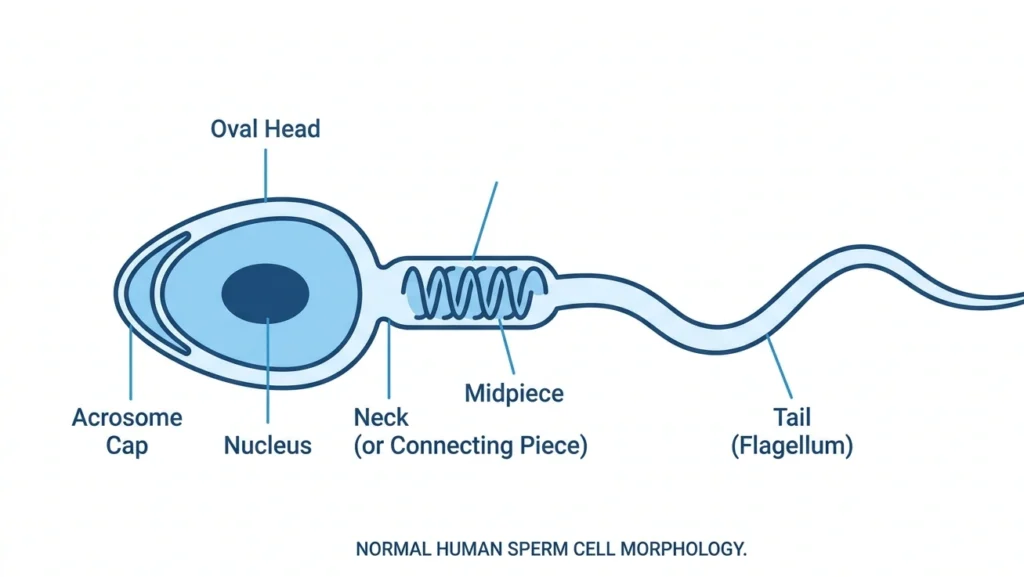
Sperm morphology simply refers to the size and shape of sperm cells. In a semen analysis, a lab technician examines a sample of sperm under a microscope and classifies each sperm as either normal or abnormal based on its structure.
A normal, healthy sperm has a specific shape: an oval head, a mid-piece, and a long tail. Any deviation from this shape — whether it is a misshapen head, a bent tail, or a problem with the neck piece is considered abnormal morphology.
The reason shape matters is simple: sperm morphologyhttps://www.nichd.nih.gov/health/topics/menshealth/conditioninfo/sperm is closely linked to a sperm cell’s ability to swim efficiently toward an egg and successfully fertilize it. Sperm with abnormal shapes often have trouble penetrating the egg.
How Is Sperm Morphology Measured?
Sperm morphology is measured as a percentage of normal-shaped sperm in a given sample. The most widely used standard is the WHO 2021 criteria, which currently considers a normal morphology rate to be 4% or higher.https://www.who.int/publications/i/item/9789240030787
Yes — that means even a healthy, fertile man may have up to 96% abnormally shaped sperm. That sounds alarming, but it is completely normal. What matters is that at least 4% of sperm are properly formed.
Understanding Sperm Morphology: Normal vs. Abnormal Values
| Parameter | WHO 2021 Reference Value | What It Means |
| Normal Morphology | ≥ 4% | Fertile range |
| Borderline | 2% – 3% | May require investigation |
| Teratozoospermia | < 4% | Clinically low morphology |
| Severe Teratozoospermia | < 1% | Significant fertility concern |
It is important to note that sperm morphology is rarely assessed in isolation. Doctors consider it alongside sperm count and sperm motility for a complete fertility picture.
Common Types of Sperm Morphology Abnormalities
Not all abnormal sperm look the same. There are several distinct types of morphological defects that can affect sperm structure and function.
Head Defects
The head of the sperm contains the genetic material (DNA) it will deliver to the egg. Abnormalities here include large or small heads, tapered heads, pyriform (pear-shaped) heads, amorphous (irregular) heads, and vacuoles (holes) in the head.
Head defects are the most common type of sperm morphology abnormality and can directly impact fertilization.
Neck and Mid-Piece Defects
The mid-piece powers the sperm’s swimming movement. Defects here such as a bent neck, asymmetric insertion, or thickened mid-piece often lead to poor motility, which compounds the fertility issue.
Tail Defects
The tail (flagellum) drives the sperm forward. Short, coiled, double, or broken tails can make it very difficult for sperm to reach the egg, even if the head structure is normal.
What Causes Poor Sperm Morphology?
Poor sperm morphology can result from a combination of genetic, environmental, and lifestyle factors. Identifying the cause is an important first step in addressing it.
Genetic Factors
In some cases, poor sperm morphology is linked to genetic mutations or chromosomal abnormalities. Conditions like globozoospermia (round-headed sperm) are often genetic. These cases may require assisted reproductive technologies like ICSI (Intracytoplasmic Sperm Injection).
Lifestyle and Environmental Causes
- Exposure to heat (hot tubs, saunas, laptop use on lap)
- Smoking and excessive alcohol consumption
- Use of anabolic steroids or recreational drugs
- Tight underwear that raises scrotal temperature
- Exposure to environmental toxins and pesticides
- High levels of chronic stress
Nutritional Deficiencies
This is where nutrition plays a powerful role. Deficiencies in key micronutrients especially zinc, folate, selenium, vitamin C, vitamin E, and CoQ10 are associated with higher rates of sperm morphology abnormalities.
Oxidative stress is a major driver of abnormal sperm morphology. When free radicals damage sperm DNA and cell membranes, it can alter sperm shape. Antioxidants in the diet are the primary defense against this.
How Nutrition Affects Sperm Morphology
The good news for those of us in the nutrition world is that sperm morphology is one of the fertility parameters most responsive to dietary changes. Sperm are constantly being produced the full cycle takes about 72 to 90 days which means what you eat today can influence the quality of sperm produced over the next few months.Sperm Morphology Normal Range: What Your Results Really Mean
Top Nutrients That Support Healthy Sperm Morphology
| Nutrient | Role in Sperm Morphology | Top Food Sources |
| Zinc | Supports sperm production & structural integrity | Pumpkin seeds, oysters, chicken, lentils |
| Folate (B9) | Reduces DNA fragmentation in sperm | Leafy greens, chickpeas, lentils |
| Selenium | Antioxidant; protects sperm structure | Brazil nuts, sunflower seeds, fish |
| Vitamin C | Fights oxidative stress on sperm | Amla, bell peppers, citrus fruits |
| Vitamin E | Protects sperm cell membranes | Almonds, sunflower oil, wheat germ |
| CoQ10 | Boosts sperm energy and structure | Beef, sardines, organ meats |
| Omega-3 Fatty Acids | Supports normal sperm head formation | Flaxseeds, walnuts, fatty fish |
| Lycopene | Reduces oxidative DNA damage in sperm | Tomatoes, watermelon, pink guava |
The Mediterranean Diet and Sperm Morphology
Multiple studies have found that men who follow a Mediterranean-style diet rich in vegetables, legumes, whole grains, nuts, olive oil, and fish tend to have better sperm morphology compared to those following a Western diet high in processed foods and trans fats.
The Mediterranean diet is naturally high in antioxidants, healthy fats, and micronutrients that support sperm health at every level from production to structure to motility.How to Increase Sperm Motility Naturally: A Complete Guide
Foods to Limit for Better Sperm Morphology
- Processed meats (sausages, bacon, deli meats) — associated with poorer morphology
- Trans fats (found in fried foods, packaged snacks) — disrupt cell membrane integrity
- Excess alcohol — reduces zinc absorption and increases oxidative stress
- High-sugar foods and drinks — raise inflammation and insulin resistance
- Soy in very large amounts — may affect hormonal balance
Lifestyle Changes to Improve Sperm Morphology
Alongside diet, certain lifestyle changes have a meaningful impact on sperm morphology. These are not just general wellness tips they are backed by research specific to male reproductive health.
Keep the Testes Cool
Sperm morphology is highly sensitive to temperature. The testes need to be 2 to 4 degrees cooler than core body temperature to produce healthy sperm. Avoid prolonged hot baths, saunas, laptops on laps, and tight-fitting underwear switching to loose boxers is one of the simplest changes you can make.
Quit Smoking
Smoking is directly associated with increased oxidative stress in semen, higher rates of sperm DNA fragmentation, and significantly worse sperm morphology. Studies show that quitting smoking can lead to measurable improvement in sperm quality within three to six months.
Exercise — But Not Excessively
Moderate exercise, particularly resistance training and cardio, supports healthy testosterone levels and reduces oxidative stress. However, excessive endurance training or overtraining can have the opposite effect. Aim for 3 to 5 sessions of moderate exercise per week.
Manage Stress
Chronic psychological stress raises cortisol levels, which can suppress testosterone and negatively affect sperm production and morphology. Practices like yoga, meditation, deep breathing, or even regular time outdoors have been shown to lower cortisol and support reproductive health.
Supplements That May Help Improve Sperm Morphology
As a certified supplement specialist, I want to be clear: supplements should complement a healthy diet, not replace it. That said, in cases of documented deficiencies or poor sperm morphology, certain supplements have good research support.
- Zinc + Folate combination: Research supports this pairing for improved sperm morphology and DNA integrity.
- CoQ10 (Ubiquinol form preferred): Has shown improvements in sperm concentration, motility, and morphology in clinical studies.
- Selenium: Particularly helpful for men with oxidative-stress-related morphology issues.
- L-Carnitine: Supports sperm energy metabolism and has been associated with better morphology in some trials.
- Lycopene: A well-tolerated antioxidant with emerging evidence for improving sperm morphology.
Always speak with your healthcare provider before starting any supplement regimen, especially if you are undergoing fertility treatments.
When Should You See a Doctor About Sperm Morphology?
If your semen analysis shows sperm morphology below 4%, it does not automatically mean you cannot conceive naturally. Many couples do conceive even when morphology numbers are low. However, there are situations where medical evaluation is warranted.
- Morphology below 1% (severe teratozoospermia)
- Combination of low morphology with low count or motility
- History of trying to conceive for more than 12 months without success (or 6 months if the female partner is over 35)
- Suspected genetic or chromosomal cause
A urologist or reproductive endocrinologist can run additional tests including sperm DNA fragmentation tests and hormonal panels to get a clearer picture and discuss options like IUI or IVF with ICSI if needed.
Frequently Asked Questions About Sperm Morphology
Q1. Can poor sperm morphology be improved naturally?
Yes, in many cases it can. Since sperm takes 72 to 90 days to be produced, consistent dietary improvements, antioxidant-rich foods, quitting smoking, and reducing heat exposure can lead to measurable improvements in sperm morphology over three to six months. However, genetic causes of poor morphology may not respond to lifestyle changes.
Q2. What is considered a good sperm morphology percentage?
According to the World Health Organization (WHO 2021 criteria), a normal sperm morphology rate is 4% or higher. This means at least 4% of sperm in the sample should have a normal shape. While this number may sound low, it is the clinically established threshold for normal fertility.
Q3. Does sperm morphology affect the health of the baby?
This is a common concern. Research suggests that in natural conception, the egg has a natural selection process that typically rejects sperm with severe structural or DNA abnormalities. However, in assisted reproduction techniques like ICSI where a single sperm is injected directly into the egg, some experts recommend sperm DNA fragmentation testing alongside morphology for a complete assessment.
Q4. How long does it take to improve sperm morphology?
Sperm is produced in a cycle of approximately 72 to 90 days. This means that changes you make today in diet, supplements, or lifestyle will begin to reflect in your semen analysis results roughly three to four months later. Patience and consistency are key.
Q5. Is low sperm morphology the same as infertility?
No, not at all. Low sperm morphology even below 4% does not mean a man is infertile. Many men with borderline or low morphology have successfully fathered children. Fertility is multifactorial, and sperm morphology is just one piece of the puzzle alongside sperm count, motility, semen volume, and overall health.
Q6. Does diet really make a difference to sperm morphology?
Yes, and the science is growing. Diets high in antioxidants, zinc, folate, omega-3 fatty acids, and selenium have been consistently associated with better sperm morphology. Conversely, diets high in processed foods, trans fats, and excess alcohol are linked to higher rates of abnormal sperm morphology. As a dietitian, this is one of the areas where dietary intervention offers real, measurable results.
Final Thoughts on Sperm Morphology
Sperm morphology is a genuinely important fertility parameter but it is also one you have a real opportunity to influence through what you eat, how you live, and the care you take of your body.
If you have recently received a semen analysis report showing low sperm morphology, take a breath. It is not a final verdict. It is a starting point information that you can act on.
Focus on an antioxidant-rich diet, address any nutritional gaps, reduce heat exposure and smoking, manage stress, and give your body the three to four months it needs to produce a new generation of healthier sperm. The science supports this approach, and as someone working at the intersection of nutrition and wellness, it is one of the most encouraging areas of men’s health nutrition.
If you have questions about your specific semen analysis results or want personalized dietary guidance, consult your doctor or a registered dietitian with experience in fertility nutrition.
| Author: This post was written by a certified dietitian, nutritionist, and certified supplement specialist. The content is intended for informational purposes only and does not replace professional medical advice, diagnosis, or treatment. Always seek the guidance of your physician or a qualified health provider with any questions you may have regarding a medical condition. |