
How to improve sperm morphology is one of the most searched questions by men who are trying to conceive and for good reason. Sperm morphology, which refers to the size and shape of sperm, plays a critical role in male fertility. Even if sperm count and motility are within normal range, poor morphology can significantly reduce the chances of fertilisation.
The good news? Research shows that sperm morphology is not fixed. With the right dietary changes, targeted supplements, and lifestyle modifications, many men can improve sperm shape over time.
In this guide, Sameena a certified dietitian, nutritionist, and certified supplement specialist breaks down everything you need to know about how to improve sperm morphology naturally, safely, and effectively.
What Is Sperm Morphology and Why Does It Matter?
Sperm morphology refers to the physical structure of sperm specifically, whether the head, midpiece, and tail are correctly formed.
The World Health Organization (WHO) defines normal sperm morphology using the strict Kruger criteria. According to WHO guidelines, a semen sample is considered normal when at least 4% of sperm have a typical oval head, a well-defined midpiece, and an uncoiled tail.
If fewer than 4% of sperm appear normal under a microscope, the condition is called teratozoospermia. This can impair fertilisation even when sperm count is high, because abnormally shaped sperm may struggle to penetrate an egg.
Understanding how to improve sperm morphology starts with recognising what negatively affects sperm shape from oxidative stress and heat exposure to nutritional deficiencies and hormonal imbalances.
Sperm Morphology: What the Numbers Mean
| Morphology % | Classification | Fertility Impact |
| ≥ 4% | Normal (WHO reference) | Optimal for natural conception |
| 1% – 3% | Borderline low | Reduced but possible conception |
| < 1% | Severe teratozoospermia | IVF or ICSI may be required |
9 Science-Backed Ways to Improve Sperm Morphology
Improving sperm morphology requires a multi-pronged approach. The following strategies are backed by peer-reviewed research and are safe to implement alongside professional medical guidance.
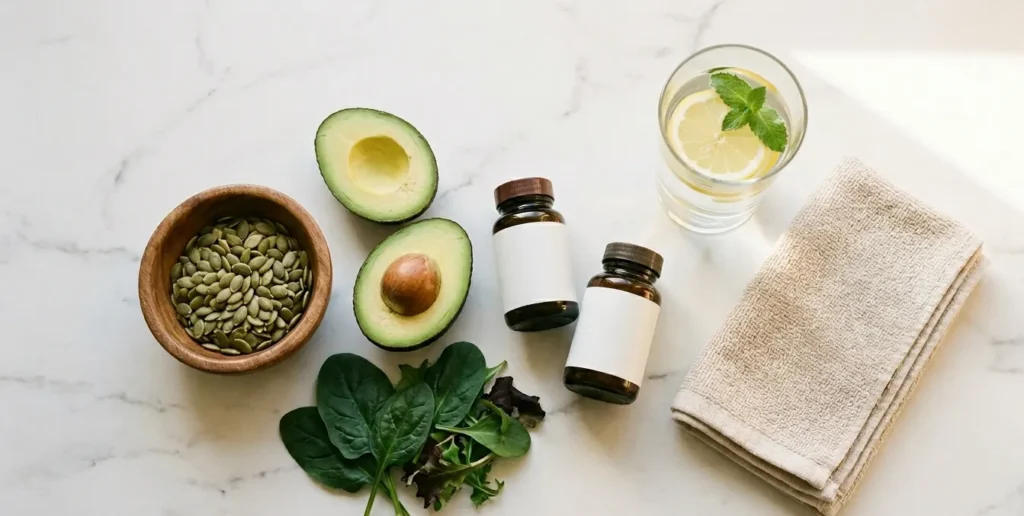
1. Load Up on Antioxidant-Rich Foods
Oxidative stress is one of the leading causes of abnormal sperm morphology. Free radicals damage sperm DNA and cell membranes, directly affecting sperm shape. Antioxidants are one of the most effective ways to improve sperm morphology at the cellular level
Antioxidants neutralise free radicals and protect developing sperm. Key antioxidants to focus on include:
- Vitamin C : found in citrus fruits, kiwi, bell peppers, and strawberries
- Vitamin E : found in sunflower seeds, almonds, and avocado
- Selenium : found in Brazil nuts, eggs, and fish
- Lycopene : found in cooked tomatoes, watermelon, and guava
- CoQ10 : found in beef, oily fish, and broccoli
A 2019 meta-analysis published in Andrology found that antioxidant supplementation significantly improved normal sperm morphology https://pubmed.ncbi.nlm.nih.gov/30870909/in infertile men. Eating a diet rich in these foods daily is one of the most practical steps for improving sperm quality.
2. Prioritise Zinc-Rich Foods for Sperm Morphology
Zinc is essential for sperm production and structural integrity. Studies consistently link zinc deficiencyhttps://www.ncbi.nlm.nih.gov/pmc/articles/PMC7052880/ with poor sperm morphology. To improve sperm morphology, aim to include zinc-rich foods such as:
- Oysters (highest natural source)
- Lean red meat and poultry
- Pumpkin seeds
- Lentils and chickpeas
- Cashews and hemp seeds
Men require approximately 11 mg of zinc per day. If dietary intake is insufficient, a zinc supplement (15–30 mg/day) under medical guidance may help , but food sources are always the preferred first step.
3. Increase Folate (Vitamin B9) Intake
Folate is widely known for its role in preventing neural tube defects, but it is equally important for healthy sperm DNA synthesis. Low folate levels are associated with increased sperm DNA fragmentation and abnormal morphology.
Best dietary sources of folate for men include:
- Dark leafy greens : spinach, kale, and rocket
- Legumes : lentils, black beans, and chickpeas
- Asparagus and Brussels sprouts
- Fortified breakfast cereals
- Eggs
Some men particularly those with the MTHFR gene variant may benefit from methylated folate supplements. Always consult a healthcare professional before supplementing. Keep reading to discover exactly how to improve sperm morphology starting today.
4. Add Omega-3 Fatty Acids to Your Diet
Omega-3 fatty acids, particularly DHA (docosahexaenoic acid), are critical for sperm membrane fluidity and structure. A flexible, well-formed sperm membrane is essential for normal morphology and the ability to fuse with an egg.
How to improve sperm morphology with omega-3 fats? Add these foods consistently:
- Fatty fish ; salmon, mackerel, sardines, and trout (aim for 2–3 servings per week)
- Flaxseeds and chia seeds (plant-based ALA, which converts partially to DHA)
- Walnuts
- Algae-based omega-3 supplements (ideal for men who avoid fish)
A 2020 study in Human Reproduction found that higher seafood intake was positively associated with better sperm morphology parameters in young men.
5. Limit Heat Exposure to the Testes
Sperm production (spermatogenesis) occurs at a temperature roughly 2–3°C below core body temperature. Prolonged exposure to heat directly impairs sperm formation and morphology.
Practical steps to reduce scrotal heat include:
- Avoid hot baths, hot tubs, and saunas , especially during conception attempts
- Wear loose, breathable underwear (cotton or moisture-wicking fabrics)
- Take regular breaks if your job involves sitting for extended periods
- Avoid resting laptops directly on your lap
- Allow time for recovery , it takes approximately 74 days for new sperm to mature
Heat-related sperm damage is largely reversible once the source of heat is removed, making this one of the most actionable lifestyle changes available.
6. Quit Smoking and Reduce Alcohol
Both smoking and excessive alcohol consumption have well-documented negative effects on sperm morphology.
Tobacco smoke contains thousands of toxic compounds that directly damage sperm DNA and disrupt the production of normally shaped sperm. Studies show that smokers have significantly higher rates of teratozoospermia compared to non-smokers.
Alcohol, particularly in heavy or chronic use, disrupts testosterone levels and zinc absorption both critical for normal sperm morphology. While light-to-moderate drinking may have minimal impact, the safest advice when trying to conceive is to significantly reduce or eliminate alcohol.
How to improve sperm morphology: quitting smoking and cutting back on alcohol can produce measurable improvements in sperm quality within 3 months.
7. Manage Stress Through Exercise and Sleep
Chronic psychological stress elevates cortisol, which suppresses testosterone production and creates oxidative stress both of which negatively impact sperm morphology.
Regular moderate exercise has been shown to improve sperm quality How to Increase Sperm Count Naturally: 12 Proven Nutrition Strategiesby enhancing antioxidant defences and supporting hormonal health. Aim for:
- 150 minutes of moderate aerobic activity per week (brisk walking, cycling, swimming)
- Strength training 2–3 times per week
- Yoga or mindfulness practices to lower cortisol
Sleep is equally vital. Men who consistently sleep fewer than 6 hours per night show poorer sperm morphology. Aim for 7–9 hours of quality sleep each night.
Note: Excessive or very intense exercise (such as marathon training) can temporarily reduce sperm quality. Balance is key.
8. Consider Targeted Supplements for Sperm Morphology
While a nutrient-dense diet comes first, specific supplements have clinical evidence supporting their role in improving sperm morphology. These include:
| Supplement | Dosage (General) | Evidence Level |
| CoQ10 (Ubiquinol) | 200–300 mg/day | Strong — multiple RCTs |
| Vitamin C + E (combined) | 1000 mg + 400 IU/day | Moderate — antioxidant synergy |
| Selenium | 100–200 mcg/day | Moderate — supports sperm structure |
| L-Carnitine | 2–3 g/day | Moderate — sperm energy metabolism |
| Zinc | 15–30 mg/day | Strong — sperm morphology + motility |
| Lycopene | 4–8 mg/day | Moderate — reduces oxidative damage |
Always consult your doctor or a registered dietitian before starting a supplement protocol. Supplements are not a substitute for medical treatment when clinical infertility is diagnosed.
9. Follow a Mediterranean-Style Diet
The Mediterranean diet is consistently linked with better sperm qualityHow to Increase Sperm Motility Naturally: A Complete Guide across multiple studies. It emphasises whole, minimally processed foods that naturally support sperm health.
Core components of a Mediterranean diet for sperm morphology:
- Abundant vegetables and fruits (aim for 7–10 portions daily)
- Whole grains : brown rice, oats, quinoa, and whole wheat bread
- Legumes: lentils, chickpeas, and black beans daily or near-daily
- Healthy fats : extra virgin olive oil as the primary fat
- Fatty fish : 2–3 servings per week
- Moderate amounts of lean poultry and eggs
- Limited red meat, processed foods, refined sugars, and trans fats
Improving sperm morphology is not about a single superfood it is about overall dietary pattern and consistency. The Mediterranean diet provides a practical and sustainable template.
How Long Does It Take to Improve Sperm Morphology?
One of the most common questions men ask when learning how to improve sperm morphology is: how long will it take to see results?
The sperm production cycle (spermatogenesis) takes approximately 74 days, followed by roughly 12–21 days of maturation in the epididymis. This means the full cycle from sperm formation to ejaculation is around 90 days (3 months).
Any dietary, lifestyle, or supplement changes you make today will begin to impact sperm morphology in the next semen analysis done 2–3 months later. Consistency is therefore essential. Do not expect overnight results but with sustained effort, meaningful improvements are achievable.
Foods That Harm Sperm Morphology — What to Avoid
Just as important as knowing what to eat is knowing what to limit. The following foods are associated with poorer sperm morphology:
| Food / Substance | Why It Harms Sperm Morphology |
| Processed meats (sausages, deli meats) | High in saturated fat and additives; linked to abnormal sperm |
| Trans fats (fried and packaged foods) | Disrupts sperm membrane structure |
| High-sugar foods and drinks | Increases oxidative stress; lowers testosterone |
| Soy in excess | Contains phytoestrogens that may affect hormonal balance |
| Alcohol (heavy use) | Reduces zinc absorption; disrupts testosterone |
| Caffeine (very high intake > 400 mg/day) | Some studies link to reduced sperm quality |
Occasional indulgences will not derail your progress. Focus on overall pattern rather than perfection.
When to See a Doctor About Sperm Morphology
If you and your partner have been trying to conceive for 12 months without success (or 6 months if the woman is over 35), it is important to seek medical evaluation.
A semen analysis is the standard first step and will assess sperm count, motility, and morphology together. Isolated low morphology (teratozoospermia) is usually manageable with lifestyle changes, but if combined with low count or poor motility, further investigation including hormonal testing and genetic screening may be recommended.
A urologist, andrologist, or reproductive endocrinologist can guide clinical treatment options, which may include antioxidant therapy, varicocele repair, or assisted reproduction techniques.
Frequently Asked Questions: How to Improve Sperm Morphology
Q1. Can you actually improve sperm morphology naturally?
Yes. Sperm morphology can be improved through diet, targeted supplementation, and lifestyle changes. Since sperm takes approximately 90 days to mature, consistent changes over 3 months typically lead to measurable improvements in the next semen analysis.
Q2. What vitamins help improve sperm morphology?
The most evidence-backed vitamins for sperm morphology include Vitamin C, Vitamin E, Folate (Vitamin B9), and Selenium. These act as antioxidants, protecting sperm cells from oxidative damage during development. CoQ10 and zinc are also highly effective for improving sperm shape and quality.
Q3. How long does it take to see improvements in sperm morphology?
It generally takes 2 to 3 months of consistent dietary and lifestyle changes before improvements in sperm morphology are reflected in a semen analysis. This is because the full sperm production and maturation cycle takes approximately 90 days.
Q4. Does exercise improve sperm morphology?
Moderate regular exercise such as brisk walking, swimming, and strength training has been shown to improve sperm quality, including morphology. However, very intense endurance training (like marathon running) may temporarily reduce sperm quality. Aim for 150 minutes of moderate activity per week
Q5. Is 4% normal sperm morphology enough to conceive naturally?
Yes. According to WHO criteria, a morphology of 4% or above is considered normal and is compatible with natural conception. The quality of other sperm parameters count and motility also plays an important role. If only morphology is borderline low, natural conception is still possible in many cases
Q6. Does heat affect sperm morphology?
Yes, significantly. The testes need to remain 2 to 3 degrees Celsius below core body temperature for healthy sperm production. Regular exposure to hot tubs, saunas, or even keeping a laptop on your lap can impair spermatogenesis and lead to abnormal sperm morphology. This damage is often reversible once heat exposure is reduced.
Q7. What foods are best for improving sperm morphology?
Foods that help improve sperm morphology include: oysters and pumpkin seeds (rich in zinc), fatty fish like salmon and sardines (rich in omega-3 DHA), Brazil nuts (selenium), citrus fruits and bell peppers (Vitamin C), spinach and legumes (folate), and cooked tomatoes (lycopene). Following a Mediterranean-style dietary pattern is one of the most evidence-backed approaches overall.
Q8. Can stress cause poor sperm morphology?
Chronic stress elevates cortisol, which suppresses testosterone production and increases oxidative stress both of which can impair sperm morphology. Managing stress through regular exercise, adequate sleep (7–9 hours), mindfulness practices, and a nutrient-dense diet helps protect sperm quality.
Q9. Is CoQ10 effective for sperm morphology?
CoQ10, particularly in its active form (Ubiquinol), has shown promising results in multiple randomised controlled trials for improving sperm morphology, count, and motility. A typical research dose is 200–300 mg/day. It works by supporting mitochondrial energy production in sperm and reducing oxidative stress.
Q10. When should I see a doctor about sperm morphology?
You should seek medical advice if you and your partner have been trying to conceive for 12 months without success (or 6 months if the woman is over 35). A semen analysis is the first step. If morphology is severely low (under 1%), or if combined with poor count and motility, a urologist or reproductive specialist can guide clinical treatment options including assisted reproduction if needed.
Medical Disclaimer
This article is written by a certified dietitian, certified nutritionist, and certified supplement specialist. It is intended for informational and educational purposes only and does not constitute medical advice. Always consult a qualified healthcare professional before making changes to your diet, supplement routine, or lifestyle, particularly if you have a diagnosed medical condition or are undergoing fertility treatment.