
What is PCOD problem in females , and why does no one talk about it enough? If you have been dealing with irregular periods, unexplained weight gain, skin breakouts, or difficulty getting pregnant, there is a good chance PCOD has crossed your radar. But the condition is still widely misunderstood, even among women who have it.
PCOD, or Polycystic Ovarian Disease, is one of the most common hormonal disorders affecting women of reproductive age today. Estimates suggest that anywhere between 5% and 10% of women worldwide are living with this condition many without even knowing it.
This guide breaks down everything you need to know about the PCOD problem in females from what it actually is, to why it happens, how it feels, and most importantly, what you can do about it.
What Is PCOD Problem in Females? The Basics Explained
PCOD stands for Polycystic Ovarian Disease. It is a condition in which the ovaries produce a higher-than-normal amount of androgens (male hormones), which disrupts the regular development and release of eggs during the menstrual cycle.
In a healthy cycle, the ovaries release a mature egg every month. In a female with the PCOD problem, this process gets interrupted. Immature or partially developed eggs accumulate in the ovaries and form small, fluid-filled sacs called cysts. Over time, these cysts can grow in number and affect the size and function of the ovary.
Despite the name “polycystic,” not every woman with PCOD will have visible cysts on an ultrasound. And not every woman with ovarian cysts has PCOD. This is one reason the condition can be tricky to diagnose.
PCOD vs. PCOS — Are They the Same Thing?
This is one of the most frequently asked questions around the PCOD problem in females. The short answer is: they are related, but not identical.
PCOD (Polycystic Ovarian Disease) is generally considered a milder, more common condition. The ovaries are still capable of functioning, and with lifestyle changes, symptoms can often be managed effectively.
PCOS (Polycystic Ovary Syndrome) is a more complex endocrine disorder. It involves deeper metabolic disruptions, a stronger hormonal imbalance, and a higher risk of long-term complications like type 2 diabetes and cardiovascular disease.
In everyday conversations and even in some medical literature, the two terms are often used interchangeably. However, understanding the distinction matters, especially when it comes to treatment approaches.Difference Between PCOS and PCOD: What Every Woman Needs to Know
What Causes the PCOD Problem in Females?
The exact cause of PCOD is not fully understood. However, researchers have identified several key factors that seem to play a role:
1. Hormonal Imbalance
In women with the PCOD problem, the pituitary gland may release higher amounts of LH (luteinizing hormone) compared to FSH (follicle-stimulating hormone). This imbalance stimulates the ovaries to produce excess androgens, which then interfere with egg development and ovulation.
2. Insulin Resistance
Research consistently shows that many women with PCOD also have insulin resistance meaning their cells do not respond effectively to insulin. As a result, the pancreas produces more insulin to compensate. Elevated insulin levels then trigger the ovaries to produce more androgens, worsening the cycle.
3. Genetics and Family History
PCOD tends to run in families. If your mother, sister, or aunt has struggled with irregular periods, fertility issues, or hormonal disorders, your risk of developing the PCOD problem in females is significantly higher.
4. Inflammation
Studies have found that women with PCOD often have elevated markers of low-grade inflammation. This chronic inflammation may stimulate the ovaries to produce androgens, contributing to the hormonal imbalance seen in the condition.
5. Lifestyle and Environmental Factors
While not a direct cause, an unhealthy diet, sedentary lifestyle, chronic stress, and poor sleep have all been linked to worsening PCOD symptoms. These factors can worsen insulin resistance and hormonal imbalance, making the condition harder to manage.
Recognising the Signs: Common Symptoms of the PCOD Problem in Females
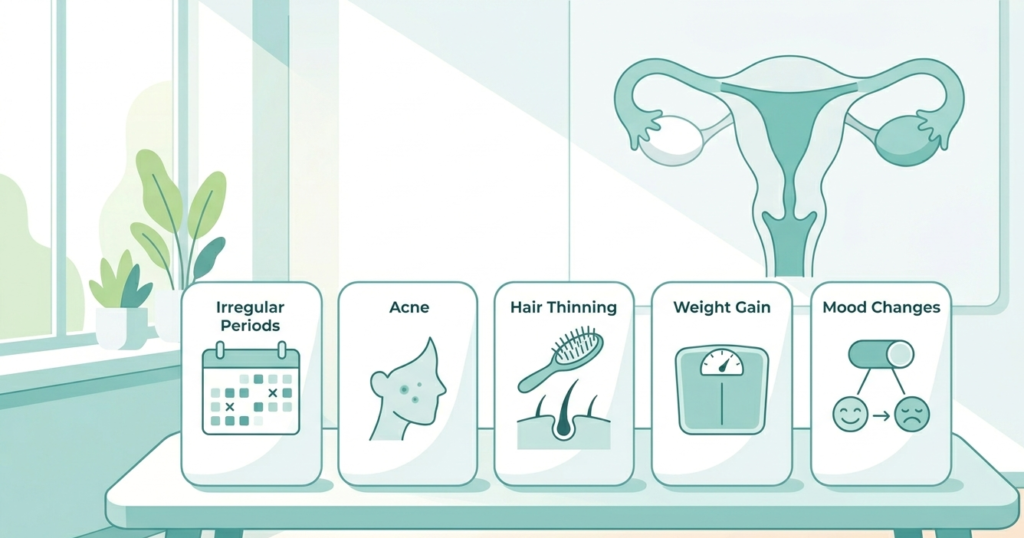
The symptoms of PCOD can look very different from woman to woman, which is one reason it often goes undiagnosed for years. Some women experience severe symptoms, while others may have just one or two subtle signs.
Here are the most commonly reported symptoms of the PCOD problem in females:
Irregular or Missed Periods
This is the hallmark symptom. Women with PCOD may have fewer than 8 menstrual cycles a year, cycles that last longer than 35 days, or periods that are unpredictable. Some women experience very heavy bleeding while others have very light periods.How to regulate periods naturally
Excess Hair Growth (Hirsutism)
Due to elevated androgen levels, some women with the PCOD problem notice unwanted hair growth on the face, chest, back, or abdomen. This is medically referred to as hirsutism.
Acne and Oily Skin
Androgens stimulate oil glands in the skin, leading to frequent breakouts particularly along the chin, jawline, and upper back. These can be persistent and difficult to treat with regular skincare alone.
Thinning Hair or Hair Loss
While excess hair grows in some areas, PCOD can also cause hair thinning on the scalp. This is called androgenic alopecia and is more common in women with higher androgen levels.
Weight Gain and Difficulty Losing Weight
Many women with the PCOD problem in females report gaining weight, especially around the abdomen, even without major dietary changes. Insulin resistance is largely responsible for this, as it makes the body more likely to store fat than burn it.
Mood Changes, Anxiety, and Depression
Hormonal fluctuations can significantly impact emotional health. Many women with PCOD report mood swings, irritability, anxiety, and depression. Unfortunately, these mental health aspects of PCOD are often overlooked in clinical settings.
Difficulty Getting Pregnant
Since PCOD interferes with regular ovulation, it is one of the leading causes of female infertility. However, it is important to know that PCOD does not mean you cannot conceive many women with PCOD do get pregnant, especially with the right medical support.
How Is the PCOD Problem in Females Diagnosed?
There is no single test that confirms PCOD. Instead, doctors typically use a combination of clinical evaluation, blood tests, and imaging.
Step 1: Medical History and Physical Examination
Your doctor will ask about your menstrual cycle history, symptoms, weight changes, and family history. A physical exam may check for signs of excess hair, acne, or skin darkening.
Step 2: Blood Tests
Blood tests help measure hormone levels including FSH, LH, testosterone, and insulin. They also check thyroid function and blood glucose levels, which help rule out other causes of your symptoms.
Step 3: Pelvic Ultrasound
An ultrasound scan of the pelvis allows your doctor to examine the size and appearance of the ovaries and check for the presence of multiple small follicles (the cysts).
Important: Diagnosis requires meeting at least two out of three criteria irregular ovulation, elevated androgen levels, and polycystic ovaries on ultrasound. Not all three need to be present for a diagnosis.
Managing the PCOD Problem in Females: Treatment and Lifestyle Approaches
Here is the good news: PCOD is very manageable. While there is no permanent cure, the condition can be controlled to a great degree through a combination of lifestyle changes and, when needed, medical treatment.
Lifestyle Changes — The First Line of Defence
For many women, lifestyle modifications alone can dramatically reduce PCOD symptoms. Here is what the research supports:
A. Diet That Supports Hormonal Health
A low glycaemic index (low GI) diet can help regulate insulin levels and improve hormonal balance. Focus on:PCOD Food List to Avoid: What Every Woman Needs to Know in 2025
- Whole grains like oats, brown rice, and millets
- Plenty of vegetables, especially leafy greens
- Lean proteins like lentils, legumes, eggs, and fish
- Healthy fats from avocado, nuts, seeds, and olive oil
- Limiting refined sugar, white bread, fried foods, and processed snacks
In India specifically, traditional foods like methi (fenugreek), turmeric, and flaxseeds have shown promising effects on insulin sensitivity and hormonal balance. These can be easy, natural additions to a PCOD-friendly diet.
B. Regular Physical Activity
Exercise is one of the most effective tools against the PCOD problem in females. Even moderate activity 30 minutes of brisk walking five days a week can improve insulin sensitivity, aid weight loss, and reduce androgen levels.https://www.webmd.com/women/what-is-pcos
A combination of strength training and cardio appears to offer the best results. Yoga has also shown benefits for stress reduction and hormonal regulation in women with PCOD.
C. Stress Management and Sleep
Chronic stress elevates cortisol levels, which worsens insulin resistance and disrupts the hormonal balance already affected by PCOD. Prioritising 7-9 hours of quality sleep and incorporating stress-reduction practices like meditation, journaling, or spending time in nature can make a meaningful difference.
Medical Treatments for the PCOD Problem in Females
When lifestyle changes are not enough, or when specific symptoms need targeted treatment, your doctor may recommend:
- Hormonal Birth Control Pills: Oral contraceptives can help regulate periods, reduce androgen levels, and improve acne and excess hair growth. They are commonly prescribed for women not currently trying to conceive.
- Metformin: Originally used for type 2 diabetes, Metformin improves insulin sensitivity and is widely used in the management of the PCOD problem in females, particularly when insulin resistance is a key factor.
- Anti-androgen Medications: Drugs like Spironolactone can reduce the effects of excess androgens, helping with hair growth and acne.
- Ovulation Induction Drugs: For women trying to conceive, medications like Clomiphene Citrate or Letrozole may be prescribed to stimulate ovulation.
- Weight Management Support: In some cases, doctors may recommend structured weight management programmes or, in severe cases, bariatric surgery if obesity is significantly worsening PCOD symptoms.
PCOD Problem in Females and Fertility — What You Need to Know
One of the biggest fears women have when diagnosed with PCOD is whether they can still have children. The honest answer is: yes, most women with PCOD can and do get pregnant.
PCOD affects ovulation, which makes natural conception harder. However, with the right medical support, fertility is absolutely possible. Ovulation induction, IUI (intrauterine insemination), and IVF (in vitro fertilisation) are all options depending on your specific situation.
Maintaining a healthy weight, managing blood sugar levels, and working with a fertility specialist significantly improve the chances of conception. Early diagnosis and treatment of the PCOD problem in females makes a meaningful difference in fertility outcomes.
Long-Term Health Risks of Unmanaged PCOD
Left unmanaged, the PCOD problem in females can increase the risk of several serious health conditions over time. Awareness of these risks is not meant to scare you it is meant to motivate early action.
- Type 2 Diabetes : due to chronic insulin resistance
- High blood pressure and cardiovascular disease
- Endometrial (uterine) cancer : linked to irregular periods and prolonged exposure of the uterine lining
- Non-alcoholic fatty liver disease (NAFLD)
- Sleep apnoea : more common in women with obesity and PCOD
- Anxiety and depression : often undertreated in PCOD patients
Regular monitoring with your doctor, routine blood tests, and staying consistent with lifestyle habits can significantly reduce these long-term risks.
Frequently Asked Questions About PCOD Problem in Females
Q: Is PCOD a permanent condition?
A: PCOD is a lifelong condition, but it is not a life sentence. With the right lifestyle choices and, where needed, medical support, most women are able to manage their symptoms effectively and live healthy, fulfilling lives.
Q: Can a thin woman have PCOD?
A: Absolutely. While PCOD is often associated with weight gain, many lean women also have the condition. In these cases, insulin resistance and hormonal imbalance are still present, even without visible weight issues. This is sometimes called “lean PCOD.”
Q: Can PCOD go away after pregnancy?
A: For some women, PCOD symptoms may improve after pregnancy and breastfeeding due to hormonal shifts. However, this is not guaranteed. It is best to continue monitoring symptoms and maintaining a healthy lifestyle even after childbirth.
Q: Does PCOD cause weight gain, or does weight gain cause PCOD?
A: It can be both. PCOD itself, through insulin resistance, makes the body more prone to weight gain. At the same time, excess body fat particularly abdominal fat can worsen insulin resistance and hormonal imbalance, worsening PCOD. It is a cycle that can be broken with consistent lifestyle changes.
Q: Is there a specific diet recommended for PCOD?
A: There is no single “PCOD diet,” but a low-GI, anti-inflammatory eating pattern is widely recommended. Focus on whole foods, fibre, lean proteins, and healthy fats, while reducing refined carbs, sugar, and processed foods.
Q: Can stress alone cause PCOD?
A: Stress alone cannot cause PCOD, but chronic stress can worsen existing symptoms significantly. Cortisol, the primary stress hormone, interferes with insulin and reproductive hormones, making the PCOD problem in females harder to manage.
Q: At what age can PCOD develop?
A: PCOD most commonly develops during the reproductive years, often in the late teens and twenties. However, it can occur at any point between puberty and menopause. Symptomshttps://www.mayoclinic.org/diseases-conditions/pcos/symptoms-causes/syc-20353439 sometimes become noticeable only after stopping birth control pills.
Q: Should I see a gynaecologist or an endocrinologist for PCOD?
A: Both specialties are relevant. A gynaecologist is often the first point of contact and can manage menstrual and fertility concerns. An endocrinologist specialises in hormonal and metabolic aspects of PCOD. In complex cases, a team approach works best.
Disclaimer
⚠️ This blog post is intended for general informational and educational purposes only. It does not constitute medical advice, diagnosis, or treatment. The information provided here is based on publicly available research and general medical knowledge. Every individual’s health situation is unique, and the PCOD problem in females can present differently from person to person.
Always consult a qualified and licensed medical professional before making any decisions related to your health, symptoms, diet, lifestyle, or medication. Do not disregard or delay seeking professional medical advice based on anything you have read in this article. If you are experiencing symptoms you believe may be related to PCOD, please reach out to a registered gynaecologist or endocrinologist for a proper evaluation.
References
[1] Azziz, R., et al. (2016). Polycystic ovary syndrome. Nature Reviews Disease Primers. https://doi.org/10.1038/nrdp.2016.57
[2] Teede, H., et al. (2018). Recommendations from the international evidence-based guideline for the assessment and management of polycystic ovary syndrome. Clinical Endocrinology, 89(3), 251–268.
[3] Rotterdam ESHRE/ASRM-Sponsored PCOS Consensus Workshop Group. (2004). Revised 2003 consensus on diagnostic criteria and long-term health risks related to polycystic ovary syndrome. Fertility and Sterility, 81(1), 19–25.
[4] Lim, S. S., et al. (2019). Lifestyle changes in women with polycystic ovary syndrome. Cochrane Database of Systematic Reviews. https://doi.org/10.1002/14651858.CD007506.pub4
[5] Moran, L. J., et al. (2011). Dietary composition in restoring reproductive and metabolic physiology in overweight women with polycystic ovary syndrome. Journal of Clinical Endocrinology and Metabolism, 88(2), 812–819.
[6] World Health Organization (WHO). (2023). Polycystic Ovary Syndrome (PCOS) Fact Sheet. https://www.who.int/news-room/fact-sheets/detail/polycystic-ovary-syndrome
[7] Dumesic, D. A., et al. (2015). Scientific Statement on the Diagnostic Criteria, Epidemiology, Pathophysiology, and Molecular Genetics of Polycystic Ovary Syndrome. Endocrine Reviews, 36(5), 487–525.
[8] Goodman, N. F., et al. (2015). American Association of Clinical Endocrinologists, American College of Endocrinology, and Androgen Excess and PCOS Society guidelines on the evaluation and treatment of polycystic ovary syndrome. Endocrine Practice, 21(11), 1291–1300.