
One Banana Calories: The Complete Guide to Banana Nutrition, Weight Loss, and Daily Diet
One banana calories is one of the most searched nutrition questions today, and for good reason. Whether you are trying to lose weight, gain muscle, manage diabetes, or simply eat healthier, knowing the exact calorie count of a banana helps you plan your meals with confidence. In this detailed guide, we will break down banana calories by size, explain how they compare to other fruits, and show you exactly how to use this fruit in your daily diet without guessing.
Bananas are among the most popular fruits in the world, loved for their natural sweetness, creamy texture, and convenience. Before you add them to your grocery list, it helps to understand the real numbers behind one banana calories, not vague estimates. This article covers everything from raw banana calories to ripe banana calories, dried banana calories, and even banana calories in smoothies and shakes.
How Many Calories Are in One Banana?
On average, banana calories range between 90 and 120, depending on the size of the fruit. A medium sized banana, roughly 118 grams, contains about 105 calories. This makes bananas a moderate energy source compared to many processed snacks sold in stores today.
This calorie count comes mainly from natural sugars and carbohydrates, not fat. Bananas contain almost no fat at all, which is one reason nutritionists often recommend them as a clean, quick source of energy for people of every age group.
It is worth noting that calorie counts can shift slightly depending on the country, the growing conditions, and the exact variety of banana. Still, the general range holds true across most commercially sold bananas found in grocery stores and markets.
Calories in One Banana by Size
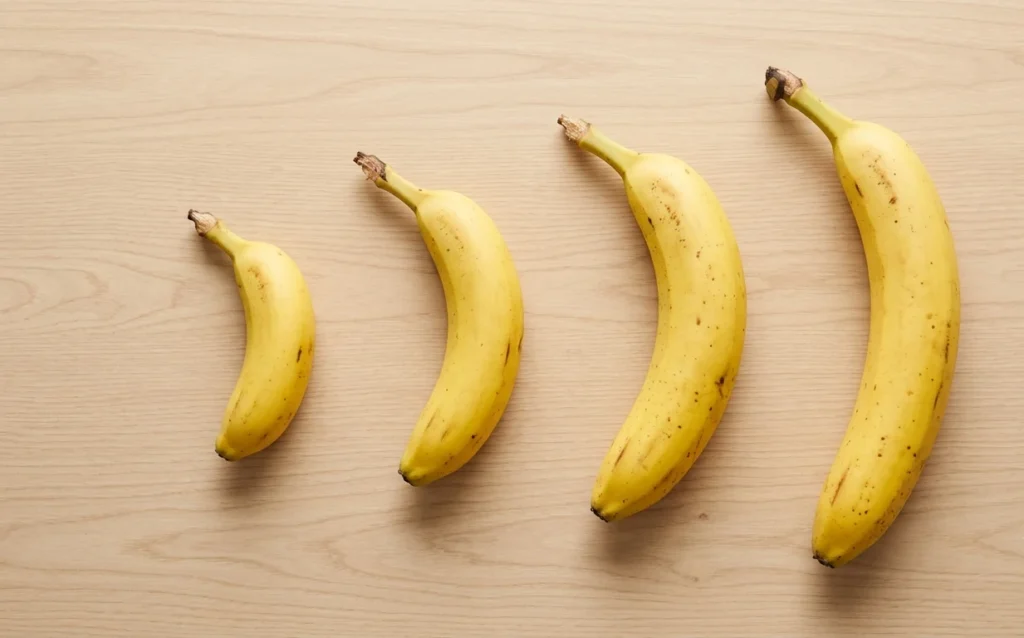
Not every banana is the same size, so the calorie count can vary quite a bit from fruit to fruit. Here is a simple breakdown to help you estimate more accurately.
- Small banana (under 6 inches): around 90 calories
- Medium banana (about 7 inches): around 105 calories
- Large banana (close to 8 inches): around 121 calories
- Extra large banana (over 9 inches): up to 135 calories or more
Knowing your banana size helps you track banana calories more accurately, especially if you are following a strict calorie counting plan or logging meals in a fitness app.
Banana Calories vs Other Fruits
When you compare banana calories to other common fruits, bananas sit somewhere in the middle range. An apple has about 95 calories, an orange has about 62 calories, and a cup of grapes has about 104 calories. This means one banana calories are slightly higher than many lighter fruits, but the fiber and potassium content more than make up for the extra energy.
Unlike many fruits, banana calories come attached to a satisfying, filling texture. This is one reason people often choose banana over lighter fruits when they need lasting energy before a workout, a long commute, or a busy morning at work.
Watermelon, for comparison, contains far fewer calories per serving because of its high water content, while dried fruits like raisins or dates contain far more calories per gram. Bananas sit comfortably in between, offering a balance of energy, fiber, and nutrients.
Nutritional Profile of One Banana
Understanding one banana calories is only part of the full nutritional picture. The complete profile explains why bananas are considered a near perfect snack by many dietitians and personal trainers.
Macronutrients in One Banana
A medium banana, along with its calorie count, contains roughly 27 grams of carbohydrates, 1.3 grams of protein, and 0.4 grams of fat. Out of the total banana calories, almost all the energy comes from carbohydrates, with only a small amount contributed by protein and fat.
The fruit also contains about 3 grams of dietary fiber, which slows digestion and helps you feel full for longer. This fiber content is a major reason why banana calories feel more satisfying than the same number of calories from sugary snacks, soda, or packaged desserts.
Vitamins and Minerals in One Banana
Beyond the calorie count, bananas are rich in potassium, vitamin B6, vitamin C, and magnesium. A single medium banana provides around 422 milligrams of potassium, which supports healthy blood pressure and normal muscle function throughout the body.
This combination of low fat, moderate calories, and high micronutrient content is exactly why fitness experts consistently recommend bananas as a smart, affordable snack choice for almost everyone.
One Banana Calories and Weight Loss
Many people ask if banana calories are too high for a weight loss diet. The short answer is no. At around 105 calories for a medium banana, this fruit fits easily into almost any calorie deficit plan without much effort.
The fiber in banana slows digestion, keeps blood sugar levels more stable, and reduces hunger cravings later in the day. Because banana calories are moderate and the fruit is naturally filling, many nutritionists suggest bananas as a smart replacement for high calorie processed snacks like chips, cookies, or candy bars.
Can You Eat Banana Daily on a Weight Loss Diet?
Yes, you can eat banana daily while trying to lose weight, as long as you track your total one banana calories within your overall calorie budget for the day. Pairing banana with a source of protein, such as Greek yogurt or a small handful of nuts, can further slow digestion and reduce hunger between meals.
Portion control still matters here. Eating several large bananas in one sitting can add up quickly, so it helps to keep an eye on total banana calories across your entire day, not just at one meal.
One Banana Calories for Weight Gain
On the other hand, if your goal is to gain weight or build muscle, banana calories can actually work in your favor. Bananas are more calorie dense compared to many other fruits, and they pair well with high calorie additions like peanut butter, whole milk, or rolled oats in a smoothie.
Adding banana to a post workout shake increases total calories while also delivering fast digesting carbohydrates that help replenish glycogen stores after intense exercise or a long training session.
Best Time to Eat Banana for Calorie Management
The timing of when you eat banana can affect how efficiently your body uses those calories. Eating banana before a workout gives your body quick, usable energy from natural sugar. Eating banana after a workout helps refill energy stores and supports faster muscle recovery.
Some people prefer eating banana in the morning as part of breakfast, which spreads banana calories across the day and helps avoid mid morning energy crashes. Others enjoy banana as an evening snack, though very ripe bananas contain slightly more natural sugar and, therefore, marginally higher calories than a firmer, less ripe fruit.
One Banana Calories in Different Forms
Not every banana you eat is raw and fresh. The calorie count changes significantly depending on how the fruit is prepared, cooked, or processed before you eat it.
Raw Banana Calories
A raw, unripe green banana has slightly fewer calories than a ripe one because it contains more resistant starch and less sugar. Raw banana calories are often used in savory cooking across many cuisines, especially in South Asian and Caribbean dishes.How Much Calories in Apple? Full Nutrition Breakdown
Ripe Banana Calories
As a banana ripens, some starches convert into sugar, but the total one banana calories count stays roughly the same throughout the process. A very ripe, spotted banana may taste noticeably sweeter, yet the overall calorie difference between stages remains small.
Dried Banana Calories
Dried banana chips or banana powder concentrate calories significantly because most of the water content is removed. A small handful of dried banana can contain 200 calories or more, far higher than fresh banana calories in its natural, whole form.How Much Fiber in Banana? Complete Nutritional Guide
Fried Banana Chips Calories
Fried banana chips absorb oil during the cooking process, which dramatically increases their calorie count compared to fresh banana. A single serving of fried banana chips can contain three to four times the calories of a fresh medium sized banana.
Banana Smoothie and Shake Calories
Blending banana into a smoothie with milk, yogurt, or protein powder adds extra calories from those additional ingredients. While the banana itself still contributes its usual share of calories, the final drink can range anywhere from 150 to 400 calories depending on what else goes into the blender.
Health Benefits Beyond Calories
While tracking banana calories is useful for planning meals, bananas offer many benefits that go far beyond simple energy counting. They support heart health through potassium, aid digestion through natural fiber, and provide antioxidants that help fight everyday cellular stress in the body.https://health.clevelandclinic.org/benefits-of-bananas
Bananas are also naturally free of cholesterol and low in sodium, making them a heart friendly choice for most diets and lifestyles. Athletes often rely on banana as a natural alternative to sports drinks because of its potassium content and quick digesting carbohydrates during long training sessions.
Some studies suggest that the resistant starch found in slightly under ripe bananas may support gut health by feeding beneficial bacteria in the digestive system. This adds another layer of value beyond the simple calorie number most people focus on.https://www.healthline.com/nutrition/11-proven-benefits-of-bananas
How to Include One Banana in Your Daily Diet
Adding banana to your daily meals is simple once you understand banana calories and how they fit your personal goals. Here are a few easy, practical ideas to get started right away.
- Slice banana over oatmeal or cereal for natural sweetness without any added sugar
- Blend banana into a morning smoothie along with spinach and almond milk
- Mash banana into pancake batter as a natural binder and gentle sweetener
- Pack a whole banana as a portable, mess free snack for work, school, or travel
- Freeze banana slices for a healthy, naturally sweet treat on hot afternoons
Each of these simple methods keeps banana calories predictable, so you always know roughly how much energy you are adding to any given meal or snack throughout the day.
Common Mistakes When Counting Banana Calories
Many people accidentally overestimate or underestimate their intake because they forget to weigh the fruit or assume every banana is the same size. A common mistake is comparing a small snack sized banana to a large export quality banana, which can lead to a difference of 40 calories or more.
Another common mistake is forgetting that toppings change the total count. A plain banana is low in calories, but adding chocolate syrup, honey, or whipped cream turns a light snack into a much heavier one. If your goal is precise tracking, always weigh your banana or use a kitchen scale before logging it in a nutrition app.
People following strict diabetic meal plans should also remember that the glycemic response depends on ripeness, portion size, and what the banana is paired with, not on the raw calorie number alone. A banana eaten with nut butter or paired with a protein source generally causes a slower rise in blood sugar than banana eaten alone.
Banana Calories Compared to a Typical Daily Diet
For most adults, a daily calorie need falls somewhere between 1800 and 2500 calories, depending on age, activity level, and body size. A single banana, at around 105 calories, represents roughly four to six percent of a typical daily intake. This makes it easy to fit into almost any meal plan without derailing your overall calorie goals for the day.
This is one reason dietitians frequently recommend banana as a bridge food between meals. It offers enough energy to curb hunger without contributing an excessive share of your daily calorie budget, which keeps your eating pattern balanced and sustainable over time.https://nutritionsource.hsph.harvard.edu/potassium/
Frequently Asked Questions
Q: How many calories are in one banana?
A: Calories in a single banana typically range from 90 to 135, depending on the size of the fruit, with a medium banana averaging around 105 calories.
Q: Is one banana calories enough for a full meal?
A: No, the calories in a single banana are not enough for a full meal on their own. Bananas work best as a snack or paired with protein and healthy fat for a balanced, satisfying meal.
Q: Do banana calories increase as the fruit ripens?
A: The total calorie count stays roughly the same as a banana ripens, though the sugar composition changes slightly, which is why ripe bananas taste noticeably sweeter than firmer ones.
Q: Can eating banana calories worth of fruit help with weight loss?
A: Yes, the calories in a banana can support weight loss because the fruit is filling, low in fat, and high in fiber, making it a smart replacement for processed snacks and sugary treats.
Q: How many calories are burned during a 30 minute walk compared to one banana?
A: A brisk 30 minute walk burns roughly 120 to 150 calories for most adults, which is close to the calorie count found in one large banana.
Q: Are calories different for red bananas or plantains compared to a regular banana?
A: Yes, red bananas and plantains have a slightly different calorie count compared to regular yellow bananas, and plantains in particular are higher in starch and calories, especially once cooked.
Q: What happens if I eat two bananas instead of one?
A: Eating two bananas roughly doubles your total calorie intake from the fruit, so plan the rest of your meals accordingly if you are tracking calories closely for a specific goal.
Conclusion
Understanding one banana calories gives you a practical, reliable tool for managing your daily nutrition, whether your goal is weight loss, muscle gain, or simply eating a more balanced diet overall. With roughly 90 to 135 calories per banana depending on size, this fruit remains one of the most convenient, affordable, and nutrient dense snacks available anywhere. Keep portion size in mind, pair banana with protein when needed, and enjoy this simple, everyday fruit as part of a healthy, sustainable eating pattern for years to come.
Disclaimer
This article is written for general informational and educational purposes only and is not intended as medical, dietary, or nutritional advice. Calorie and nutrient values mentioned above are approximate averages and may vary based on banana variety, ripeness, growing conditions, and measurement method. Always consult a qualified doctor, dietitian, or healthcare professional before making changes to your diet, especially if you have diabetes, a medical condition, or specific dietary needs. The content in this post is original and independently written for this website.One Banana Calories: The Complete Guide to Banana Nutrition, Weight Loss, and Daily Diet
One banana calories is one of the most searched nutrition questions today, and for good reason. Whether you are trying to lose weight, gain muscle, manage diabetes, or simply eat healthier, knowing the exact calorie count of a banana helps you plan your meals with confidence. In this detailed guide, we will break down banana calories by size, explain how they compare to other fruits, and show you exactly how to use this fruit in your daily diet without guessing.