
Low estrogen symptoms in women are more common than most people realize and they can affect everything from your mood and sleep to your skin, bones, and heart. Yet many women spend years wondering why they feel “off” without ever connecting the dots to estrogen.
If you’ve been experiencing unexplained fatigue, mood swings, brain fog, or irregular periods, this article is for you. We’re going to walk through what estrogen actually does in your body, what it looks and feels like when levels drop, what causes it, and most importantly what you can do about it.
Let’s start from the beginning.
What Is Estrogen and Why Does It Matter?
Estrogen is a group of hormones primarily estradiol, estrone, and estriol produced mainly in the ovaries, but also in smaller amounts by the adrenal glands and fat tissue. It plays a central role in female reproductive health, but its influence goes far beyond the uterus.
Estrogen affects your brain, bones, skin, cardiovascular system, and metabolism. It regulates the menstrual cycle, supports pregnancy, and even plays a role in how well you sleep and how clearly you think.
When estrogen levels are balanced, most women feel stable, energized, and healthy. But when estrogen dips whether due to age, stress, medication, or other factors the ripple effects across the body can be significant.
How Estrogen Levels Change Throughout Life
Estrogen levels fluctuate naturally throughout a woman’s life:
- During puberty, estrogen rises and triggers the development of secondary sex characteristics.
- During the reproductive years (roughly ages 15 to 49), estrogen follows a monthly cycle tied to menstruation and ovulation.
- During perimenopause (typically the mid-40s), estrogen begins to decline irregularly.
- During menopause (usually around age 51), estrogen levels fall significantly and remain low.
- Postmenopause, estrogen stays at consistently low levels.
But menopause isn’t the only time women experience low estrogen. Younger women can also have low levels due to a variety of causes, which we’ll explore below.
Low Estrogen Symptoms in Women: The Complete List
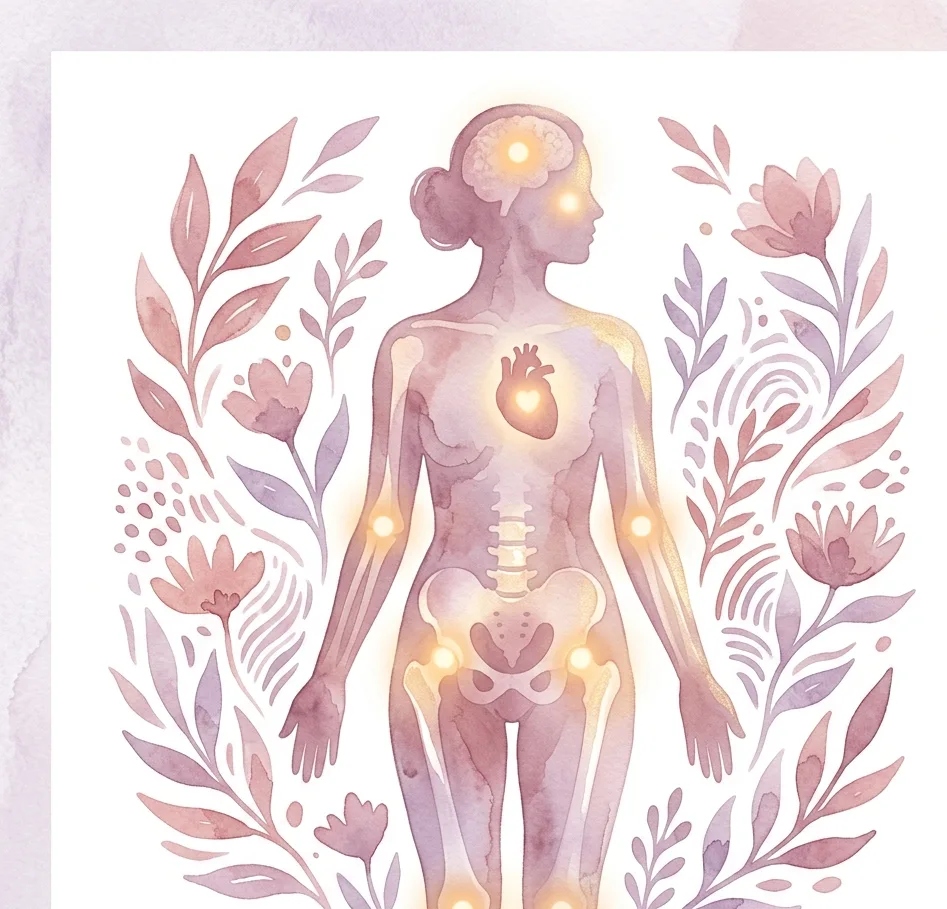
Recognizing low estrogen symptoms in women is the first step toward getting the right help. These symptoms can be subtle at first, but they tend to become more noticeable over time.
1. Irregular or Absent Periods
One of the earliest and most telling signs of low estrogen is changes in your menstrual cycle. You might notice your period becoming lighter, less frequent, or stopping altogether a condition called amenorrhea.
Estrogen is essential for building up the uterine lining each month. Without enough of it, the lining doesn’t thicken properly, and the cycle becomes disrupted. This is often one of the first clues that something hormonal is going on.
2. Hot Flashes and Night Sweats
Hot flashes are among the most recognized low estrogen symptoms in women, especially during perimenopause and menopause. They feel like sudden waves of intense heat that sweep over the body, often followed by sweating and chills.
Night sweats are essentially hot flashes that happen during sleep. They can soak your sheets, disrupt your rest, and leave you feeling exhausted the next morning.
The exact mechanism isn’t fully understood, but it’s believed that low estrogen makes the hypothalamus the brain’s temperature control center more sensitive to small changes in body temperature.
3. Vaginal Dryness and Discomfort
Estrogen helps keep the vaginal tissues moist, thick, and elastic. When levels drop, the vaginal walls can become thin, dry, and inflamed a condition known as vaginal atrophy or genitourinary syndrome of menopause (GSM).
This can lead to discomfort during sex, increased frequency of urinary tract infections (UTIs), and a general feeling of dryness or irritation. Many women feel embarrassed to bring this up, but it’s extremely common and very treatable.
4. Mood Changes and Depression
Estrogen has a significant effect on serotonin, dopamine, and other neurotransmitters that regulate mood. When estrogen drops, many women experience:
- Increased anxiety or irritability
- Feelings of sadness or hopelessness
- Mood swings that seem out of proportion to circumstances
- Lower motivation and enthusiasm for daily activities
These aren’t just “emotional” symptoms they’re neurological responses to hormonal changes. If you’ve been feeling persistently low without a clear reason, low estrogen might be a contributing factor.How to Increase Progesterone Naturally: A Complete Guide
5. Difficulty Sleeping
Sleep problems are a classic but often overlooked part of the low estrogen symptom picture. Estrogen helps regulate the sleep-wake cycle and also interacts with progesterone, which has a natural sedative effect.
Women with low estrogen often report trouble falling asleep, waking frequently in the night, or waking early and being unable to fall back asleep. Night sweats add another layer of disruption, creating a cycle of poor sleep and daytime fatigue.
6. Brain Fog and Memory Problems
If you’ve been forgetting names, losing your train of thought mid-sentence, or struggling to concentrate, you’re not going crazy. Low estrogen in women has been linked to cognitive difficulties including:
- Short-term memory lapses
- Difficulty concentrating or staying focused
- Mental “fogginess” that makes thinking feel slow or effortful
Estrogen supports blood flow to the brain and plays a role in neuroplasticity the brain’s ability to form and reorganize neural connections. Lower estrogen levels can impact these processes and affect cognitive sharpness.
7. Decreased Libido
Estrogen contributes to sexual desire, arousal, and physical comfort during sex. When levels drop, many women notice a significant reduction in their sex drive, along with physical changes like vaginal dryness that make intimacy less comfortable.
This can be emotionally difficult, especially in relationships. It’s important to know that this is a physiological change not a personal failing and there are effective treatments available.
8. Bone Loss and Joint Pain
Estrogen plays a crucial role in maintaining bone density. It helps regulate the activity of osteoclasts cells that break down bone tissue and keeps the balance between bone breakdown and bone formation in check.
When estrogen levels decline, this balance tips, and bone loss accelerates. Over time, this can lead to osteopenia and eventually osteoporosis, significantly increasing the risk of fractures.
Joint pain and stiffness, particularly in the hands, knees, and hips, are also commonly reported as low estrogen symptoms in women. This is sometimes referred to as “estrogen-related arthralgia.”
9. Skin and Hair Changes
Estrogen helps maintain collagen levels in the skin, keeping it plump and elastic. With declining estrogen:
- Skin may become drier, thinner, and more prone to wrinkles.
- Healing from cuts or bruises may take longer.
- Hair may become thinner or more brittle.
- Some women notice increased hair shedding, especially around the temples and crown.
10. Frequent Urinary Tract Infections (UTIs)
The tissues of the urinary tract also rely on estrogen to stay healthy and resilient. Low estrogen can thin the lining of the urethra and bladder, making them more vulnerable to infection and irritation.
Women who suddenly start getting frequent UTIs especially in midlife may find that low estrogen is a root cause. This is often addressed effectively with localized estrogen therapy.
What Causes Low Estrogen Symptoms in Women?
Understanding the root cause of your low estrogen is key to finding the right solution. Here are the most common causes:
Perimenopause and Menopause
The most common cause of low estrogen in women over 40 is the natural transition toward menopause. During perimenopause, ovarian function begins to slow down and estrogen production becomes erratic before eventually declining substantially.
Premature Ovarian Insufficiency (POI)
Sometimes called premature menopause, POI occurs when the ovaries stop functioning normally before age 40. Women with POI experience low estrogen and its related symptoms at an earlier age than expected.
Excessive Exercise or Low Body Weight
The body requires a certain amount of body fat to produce estrogen. Women who exercise very intensely such as long-distance runners or elite athletes or who have very low body weight or an eating disorder may experience low estrogen as a result.
This phenomenon, sometimes called the “female athlete triad,” involves low energy availability, menstrual disruption, and decreased bone density.
Thyroid Disorders and Chronic Stress
Chronic stress raises cortisol, which can suppress estrogen production. Similarly, thyroid conditions both hypothyroidism and hyperthyroidism can interfere with hormone regulation and lead to low estrogen symptoms in women.
Certain Medications
Some medications, including chemotherapy agents, GnRH agonists (used to treat endometriosis), and certain antidepressants, can interfere with estrogen production or action in the body.
Autoimmune Conditions
In some cases, the immune system attacks the ovaries, reducing their ability to produce estrogen. Autoimmune disorders like Addison’s disease, lupus, and rheumatoid arthritis are sometimes associated with hormonal imbalances.
How Low Estrogen Symptoms in Women Are Diagnosed
If you suspect you’re experiencing low estrogen, the most important step is to see a healthcare provider. Diagnosis typically involves:
- A detailed medical history and symptom review
- Blood tests measuring estradiol (E2), FSH (follicle-stimulating hormone), and LH (luteinizing hormone)
- Bone density scans (DEXA) if osteoporosis risk is a concern
- Thyroid function tests to rule out thyroid disorders
It’s worth noting that blood estrogen levels vary widely depending on where you are in your menstrual cycle, so a single test result is not always conclusive. Your doctor may recommend testing at a specific point in your cycle or repeating the test.
Treatment Options for Low Estrogen Symptoms in Women
The good news is that low estrogen is highly treatable, and there are several options depending on your age, health history, and personal preferences.
Hormone Replacement Therapy (HRT)
HRT also called menopausal hormone therapy (MHT) is one of the most effective treatments for low estrogen symptoms in women. It replaces the estrogen your body is no longer producing in sufficient amounts.
It can be delivered via pills, patches, gels, sprays, or vaginal rings/creams. For women who still have a uterus, progesterone is typically combined with estrogen to protect the uterine lining.
Modern HRT formulations are generally considered safe for most healthy women under 60 who are within 10 years of menopause onset. However, it’s not right for everyone, so a thorough discussion with your doctor is essential.
Local (Vaginal) Estrogen Therapy
For women whose symptoms are primarily vaginal dryness and urinary issues, low-dose vaginal estrogen (creams, rings, or suppositories) can be very effective. Because absorption into the bloodstream is minimal, it’s often recommended for women who cannot or prefer not to use systemic HRT.
Lifestyle Modifications
Several lifestyle changes can help manage low estrogen symptoms:https://www.cdc.gov/nccdphp/dnpao/features/healthy-weight-women
- Regular weight-bearing exercise supports bone health and overall hormonal balance.
- A diet rich in phytoestrogens (soy, flaxseeds, legumes) may offer mild estrogen-like effects.
- Reducing caffeine and alcohol can help minimize hot flashes.
- Stress management techniques yoga, meditation, deep breathing help regulate cortisol, which competes with sex hormones.
- Adequate sleep hygiene supports overall hormonal regulation.
Foods That May Support Estrogen Balance
While food alone cannot replace estrogen therapy for severe deficiency, a hormone-supportive diet can make a meaningful difference:How to Increase Estrogen Levels : A Complete Science-Backed Guide
- Flaxseeds : rich in lignans, a type of phytoestrogen
- Soy products (tofu, edamame, tempeh) : contain isoflavones that mimic estrogen mildly
- Cruciferous vegetables (broccoli, kale, Brussels sprouts) : support estrogen metabolism
- Nuts and seeds : provide healthy fats needed for hormone production
- Whole grains : support stable blood sugar and hormone regulation
Non-Hormonal Medications
For women who cannot use estrogen therapy (for example, due to a history of hormone-sensitive breast cancer), there are non-hormonal options for managing specific symptoms:
- SSRIs and SNRIs (antidepressants) can reduce hot flash frequency.
- Gabapentin has shown effectiveness for hot flashes.
- Ospemifene (a SERM) can treat vaginal dryness without systemic estrogen.
- Fezolinetant (a newer neurokinin B receptor antagonist) targets hot flashes specifically.
Frequently Asked Questions: Low Estrogen Symptoms in Women
Q: What are the most common low estrogen symptoms in women?
A: The most common symptoms include hot flashes, night sweats, vaginal dryness, irregular or absent periods, mood changes (anxiety, depression, irritability), sleep disturbances, brain fog, decreased libido, joint pain, and changes in skin and hair. These symptoms can appear together or individually and may vary in severity.
Q: Can young women have low estrogen?
A: Yes. While low estrogen is most associated with perimenopause and menopause, younger women can also experience it due to premature ovarian insufficiency (POI), extreme athletic training, eating disorders, very low body weight, chronic stress, thyroid disorders, or certain medications. If you are under 40 and experiencing these symptoms, see your doctor.
Q: How is low estrogen diagnosed?
A: A healthcare provider will typically conduct a full symptom review, blood tests measuring estradiol, FSH, and LH levels, and possibly bone density testing. Thyroid function may also be evaluated. Because estrogen levels fluctuate throughout the menstrual cycle, results are interpreted alongside your symptoms and medical history.
Q: Is hormone replacement therapy (HRT) safe for low estrogen?
A: For most healthy women under 60 who are within 10 years of menopause onset, modern HRT is considered safe and effective for managing low estrogen symptoms. The risks and benefits vary depending on individual health history. Always consult a qualified gynecologist or endocrinologist to determine if HRT is appropriate for you.
Q: Can low estrogen cause weight gain?
A: Yes. Declining estrogen can lead to changes in fat distribution, particularly an increase in abdominal fat. It can also slow metabolism and affect insulin sensitivity, making weight management more challenging. However, with appropriate treatment, lifestyle changes, and sometimes medication, these effects can be mitigated.
Q: How long do low estrogen symptoms last?
A: This varies greatly between individuals. Symptoms tied to perimenopause and menopause may last anywhere from a few years to over a decade. However, with proper treatment whether hormonal or non-hormonal most women find significant relief. Left untreated, long-term low estrogen can have lasting effects on bone density and cardiovascular health.
Q: Are there natural remedies for low estrogen symptoms in women?
A: Some women find relief through phytoestrogen-rich foods (soy, flaxseeds), herbal supplements like black cohosh, regular exercise, stress reduction, and good sleep hygiene. However, these approaches are generally milder than medical treatments and may not be sufficient for severe symptoms. Always discuss supplements with your doctor, especially if you have a hormone-sensitive condition.
References and Further Reading
The following sources were used to support the information in this article:
- The Menopause Society (formerly NAMS). (2023). Hormone Therapy Position Statement. www.menopause.org
- Mayo Clinic. (2024). Menopause. www.mayoclinic.org/diseases-conditions/menopause
- Harvard Health Publishing. (2023). Estrogen and Women’s Health. www.health.harvard.edu
- National Institute on Aging. (2023). Menopause. www.nia.nih.gov/health/menopause
- Santoro, N., et al. (2021). Menopausal Symptoms and Their Management. Endocrinology and Metabolism Clinics of North America, 50(3), 545-564.
- Baber, R.J., et al. (2016). IMS Recommendations on Women’s Midlife Health and Menopause Hormone Therapy. Climacteric, 19(2), 109-150.
- Office on Women’s Health, U.S. Dept. of Health & Human Services. (2024). Menopause Basics. www.womenshealth.govhttps://www.womenshealth.gov
MEDICAL DISCLAIMER: This blog post is intended for informational and educational purposes only. It does not constitute medical advice, diagnosis, or treatment. The content provided here is not a substitute for professional medical consultation, diagnosis, or treatment from a qualified healthcare provider.
Always seek the advice of your physician, gynecologist, endocrinologist, or other qualified health professional with any questions you may have regarding a medical condition or symptoms you are experiencing. Never disregard professional medical advice or delay in seeking it because of something you have read in this article.
The author and publisher of this content are not responsible for any adverse effects or consequences resulting from the use of any suggestions, preparations, or procedures described in this material. Reliance on any information provided in this article is solely at your own risk.