
How to increase estrogen levels is one of the most searched hormonal health questions today and for good reason. Estrogen is not just a “women’s hormone.” It plays a vital role in bone density, brain function, cardiovascular health, skin elasticity, mood regulation, and reproductive wellness in people of all biological backgrounds.
When estrogen levels drop whether due to age, stress, diet, or underlying health conditions the effects can be both physical and emotional. Hot flashes, brain fog, fatigue, mood swings, and low libido are just a few of the signals your body may send when estrogen is out of balance.
The good news? There are proven, natural strategies that can support healthy estrogen production. In this guide, we break down everything you need to know about how to increase estrogen levels safely, effectively, and sustainably.
What Is Estrogen and Why Does It Matter?
Estrogen is actually a group of hormones primarily estradiol, estrone, and estriol that regulate a wide range of physiological processes. In people assigned female at birth, estrogen is produced mainly in the ovaries. In people assigned male at birth, small amounts are produced in the adrenal glands and fatty tissue.
Estrogen influences:
- The menstrual cycle and reproductive health
- Bone density and muscle mass
- Skin hydration and elasticity
- Cardiovascular function
- Cognitive performance and memory
- Mood and emotional regulation
When levels fall below the normal range, symptoms become noticeable and can affect daily quality of life. That’s why understanding how to increase estrogen levels naturally is such an important topic.
Common Signs of Low Estrogen Levels
Before exploring how to increase estrogen levels, it helps to recognize the common signs of a deficiency:
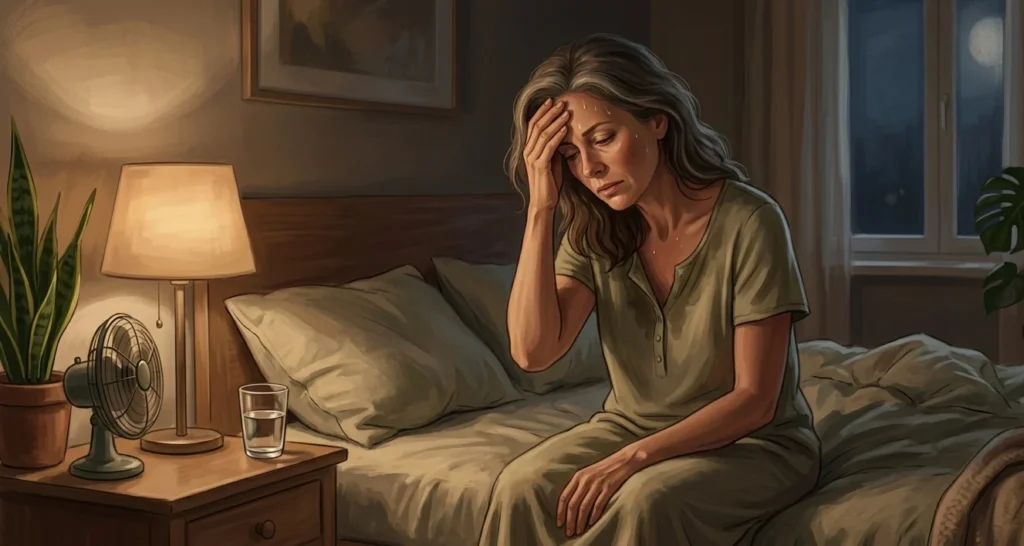
- Irregular or absent periods
- Hot flashes and night sweats
- Vaginal dryness or discomfort
- Mood swings, anxiety, or depression
- Fatigue and sleep disturbances
- Difficulty concentrating or “brain fog”
- Dry skin and hair thinning
- Decreased bone density (osteoporosis risk)
- Reduced libido
If you are experiencing multiple symptoms from this list, consult your healthcare provider. A simple blood test can measure your estrogen levels and guide your treatment or lifestyle plan. Remember: this blog post is informational, not a substitute for medical advice.How to Increase Progesterone Naturally: A Complete Guide
How to Increase Estrogen Levels Naturally: Top Evidence-Based Strategies
Let’s dive into the core strategies. These are grounded in current scientific understanding and real-world application.
1. Eat Phytoestrogen-Rich Foods to Naturally Increase Estrogen Levels
Phytoestrogens are plant-based compounds that mimic estrogen in the body. They bind to estrogen receptors and can gently modulate hormonal activity making them one of the most discussed natural ways to increase estrogen levels.https://www.healthline.com/nutrition/foods-with-estrogen
Top phytoestrogen-rich foods include:
- Soybeans and soy products (tofu, tempeh, edamame, miso)
- Flaxseeds — one of the richest sources of lignans, a type of phytoestrogen
- Sesame seeds and sunflower seeds
- Legumes such as lentils, chickpeas, and black beans
- Dried fruits, especially apricots, dates, and prunes
- Cruciferous vegetables: broccoli, cauliflower, Brussels sprouts
- Berries, particularly strawberries and raspberries
A 2021 review published in the Journal of Nutritional Biochemistry confirmed that dietary phytoestrogens can modestly but meaningfully influence estrogen activity, particularly in postmenopausal individuals.
2. Maintain a Healthy Body Weight
Body fat tissue (adipose tissue) produces estrogen through a process called aromatization, where androgens are converted into estrogens. Both being underweight and significantly overweight can disrupt estrogen balance.
If you are underweight, eating a nutrient-dense diet rich in healthy fats and proteins can help restore hormonal balance. Conversely, if you carry excess weight, gradual fat loss through balanced nutrition and regular movement can bring estrogen into a healthier range.
The goal isn’t extreme dieting it’s sustainable, nourishing weight management.
3. Prioritize Healthy Fats to Support Estrogen Production
Estrogen and other steroid hormones are synthesized from cholesterol. Without adequate healthy dietary fat, your body simply does not have the raw material to produce hormones effectively.
Include these healthy fat sources in your daily diet:
- Avocados
- Extra virgin olive oil
- Fatty fish: salmon, sardines, mackerel
- Nuts: walnuts, almonds, Brazil nuts
- Eggs (including the yolk)
- Full-fat dairy (for those who tolerate it)
Research consistently shows that very low-fat diets are associated with lower circulating estrogen levels a key reason why crash diets can disrupt your menstrual cycle and hormonal health.
4. Manage Stress to Prevent Cortisol from Blocking Estrogen
Here’s a relationship that’s often overlooked: chronic stress raises cortisol, and elevated cortisol competes with and suppresses estrogen production. When your body is in perpetual “fight-or-flight” mode, it deprioritizes reproductive hormones.Natural Remedies for Hormonal Imbalance in Females: A Complete Guide That Actually Works
Practical stress management strategies include:
- Mindfulness meditation (even 10 minutes daily shows measurable results)
- Yoga and breathwork
- Journaling and cognitive behavioral techniques
- Reducing caffeine and alcohol intake
- Setting healthy boundaries at work and in relationships
Managing stress is not just good for your mental health it is a direct way to support how your body produces estrogen.
5. Exercise — But Don’t Over-Train
Regular, moderate exercise supports healthy hormonal balance, including estrogen regulation. Strength training, in particular, helps maintain muscle mass and supports metabolic hormone balance.
However, excessive high-intensity exercise (like elite athletic training with caloric restriction) is one of the well-documented causes of hypothalamic amenorrhea a condition where estrogen drops so low that periods stop entirely.
Aim for:
- 30–45 minutes of moderate exercise, 4–5 days per week
- A mix of strength training, cardio, and restorative movement like yoga or walking
- Sufficient caloric intake to fuel your activity level
6. Prioritize Sleep to Regulate Estrogen Naturally
Sleep is when your body repairs, restores, and recalibrates its hormonal systems. Poor sleep has been directly linked to lower estrogen levels and worsened menopausal symptoms.
Optimize your sleep by:
- Keeping a consistent sleep-wake schedule
- Avoiding screens 60 minutes before bed
- Keeping your bedroom dark and cool (around 65–68°F / 18–20°C)
- Limiting alcohol, which disrupts deep sleep cycles
7. Consider Certain Herbs and Supplements
Several herbs have been studied for their potential to increase estrogen levels or mimic estrogen activity. Always consult a qualified healthcare provider before starting any supplement.
Potentially helpful herbs and nutrients:
- Red clover (isoflavones) : widely studied for menopausal support
- Black cohosh : often used for hot flash relief
- Maca root : an adaptogen that may support overall hormonal balance
- Dong quai : traditional Chinese medicine herb used for menstrual health
- Vitamin D : deficiency is associated with hormonal disruption
- Vitamin B6 : supports progesterone balance, which affects estrogen levels indirectly
- Zinc : essential for hormone synthesis
A 2020 meta-analysis in Climacteric: The Journal of the International Menopause Society noted that phytoestrogen supplements, including red clover isoflavones, had modest but statistically significant effects on estrogen-related symptoms in menopausal women.
How to Increase Estrogen Levels: What to Avoid
Just as important as knowing what helps is knowing what hinders estrogen production. Watch out for:
Endocrine-Disrupting Chemicals (EDCs)
These are chemicals found in plastics, pesticides, and personal care products that interfere with your hormonal system. BPA (bisphenol A), phthalates, and parabens are among the most studied EDCs.
- Switch to glass or stainless steel food and water containers
- Choose paraben-free and phthalate-free personal care products
- Buy organic produce where possible to reduce pesticide exposure
Excessive Alcohol Consumption
While light drinking may have a modest estrogenic effect, heavy or chronic alcohol use disrupts the liver’s ability to metabolize hormones, worsens hormonal imbalances, and increases health risks significantly.
Extreme Caloric Restriction
Very low-calorie diets signal to your brain that the body is in a state of famine, suppressing reproductive hormones including estrogen. Eat enough to nourish your body at every age and stage of life.
Medical Options: When Natural Methods Are Not Enough
Natural lifestyle interventions can be powerful, but there are situations where medical intervention is appropriate and necessary. If your estrogen levels are clinically low confirmed by a blood test your doctor may discuss:
- Hormone Replacement Therapy (HRT) : estrogen-only or combined estrogen-progesterone therapy
- Low-dose birth control pills : can regulate hormonal cycles
- Vaginal estrogen therapy : localized treatment for vaginal dryness
- DHEA (dehydroepiandrosterone) : a precursor hormone sometimes used under medical supervision
HRT in particular has been extensively studied. Current evidence, including a landmark re-analysis of the Women’s Health Initiative (WHI) data, suggests that for women under 60 or within 10 years of menopause, the benefits of HRT often outweigh the risks. Always discuss your individual health history with your doctor.https://my.clevelandclinic.org/health/treatments/15245-hormone-replacement-therapy
How to Increase Estrogen Levels in Specific Situations
During Perimenopause and Menopause
Estrogen naturally declines during perimenopause (typically starting in your 40s) and drops significantly after menopause. A combination of phytoestrogen-rich nutrition, stress management, quality sleep, and medical consultation is usually most effective in this life stage.
After Hormonal Birth Control
Some individuals experience a temporary dip in natural estrogen production after stopping hormonal contraceptives. A nutrient-dense diet, time, and stress reduction usually allow the body to recalibrate within a few months.
In Young Women with Hypothalamic Amenorrhea
If periods have stopped due to over-exercise, under-eating, or extreme stress, the priority is nutritional rehabilitation eating more, exercising less intensely, and addressing psychological stress. This is a medical situation requiring professional support.
In Men with Low Estrogen
Though estrogen is often associated with female health, men also need healthy estrogen levels for bone health, libido, and cardiovascular function. Low estrogen in men can result from very low body fat, certain medications, or hypogonadism. A doctor can assess and recommend appropriate interventions.
Frequently Asked Questions (FAQ): How to Increase Estrogen Levels
1) Can I increase estrogen levels through diet alone?
Yes, dietary changes especially increasing phytoestrogen-rich foods like flaxseeds, soy, legumes, and whole grains can have a measurable effect on estrogen activity. However, for clinically low estrogen, diet alone may not be sufficient. A holistic approach combining nutrition, sleep, stress management, and medical guidance tends to produce the best outcomes.
2)How long does it take to see results from natural methods?
This varies by individual and the severity of the imbalance. Most people notice initial improvements in energy, mood, and sleep within 4–8 weeks of consistent lifestyle changes. Significant hormonal shifts may take 3–6 months. Regular blood tests are the only reliable way to track actual estrogen levels.
3)Are phytoestrogens safe for everyone?
Phytoestrogens from whole foods are generally considered safe for most healthy adults. However, people with hormone-sensitive conditions such as certain types of breast cancer, endometriosis, or uterine fibroids should consult a healthcare professional before significantly increasing phytoestrogen intake, as the research in these populations is more nuanced.
4)Can stress really lower estrogen levels?
Yes. Chronic stress elevates cortisol, which competes with and suppresses the hormonal pathways involved in estrogen production. This is particularly well-documented in cases of hypothalamic amenorrhea, where psychological or physical stress is so significant that the brain essentially “turns off” reproductive hormone signaling.
5)Is Hormone Replacement Therapy (HRT) safe?
For many women, especially those under 60 or within 10 years of menopause, current evidence suggests that HRT benefits including relief from hot flashes, bone protection, and improved quality of life outweigh the risks. HRT is not appropriate for everyone, and individual health history matters significantly. Always consult a qualified endocrinologist or gynecologist.
6)Does exercise increase or decrease estrogen?
Moderate, regular exercise can support healthy hormone regulation. However, extreme endurance exercise combined with caloric restriction can severely lower estrogen levels, leading to the “female athlete triad” (low energy availability, low bone density, and menstrual dysfunction). Balance and adequate fueling are key.
7)What foods quickly increase estrogen levels?
No food increases estrogen “instantly,” but consistently eating flaxseeds, soy products (tofu, tempeh), sesame seeds, legumes, and dried fruits can provide phytoestrogens that support estrogen activity over time. Healthy fats (avocado, olive oil, fatty fish) also provide the cholesterol substrate needed for estrogen synthesis.
8)Can men benefit from increasing estrogen levels?
Yes. Men naturally have small amounts of estrogen, which is important for bone health, libido, cardiovascular function, and cognitive health. Very low estrogen in men is associated with increased fracture risk and sexual dysfunction. If a man suspects low estrogen, consultation with an endocrinologist is recommended.
References and Further Reading
This article was written with reference to the following peer-reviewed research and authoritative health resources:
- Messina, M. (2016). Soy and Health Update: Evaluation of the Clinical and Epidemiologic Literature. Nutrients, 8(12), 754.
- Lethaby, A., et al. (2007). Phytoestrogens for menopausal vasomotor symptoms. Cochrane Database of Systematic Reviews.
- North American Menopause Society (NAMS). (2022). Hormone Therapy Position Statement.
- Levis, S., & Griebeler, M. L. (2010). The role of soy foods in the treatment of menopausal symptoms. Journal of Nutrition, 140(12), 2318S–2321S.
- Weiderpass, E., et al. (2000). Low-potency oestrogen and risk of endometrial cancer. The Lancet, 356(9244), 1711–1717.
- De Villiers, T. J., et al. (2022). Updated EMAS and IMS recommendations on postmenopausal hormone therapy and preventive strategies for midlife health. Climacteric, 25(5), 509–512.
- Harvard T.H. Chan School of Public Health — The Nutrition Source: Phytoestrogens. https://www.hsph.harvard.edu
- Endocrine Society Clinical Practice Guideline: Management of Menopause. (2023). https://www.endocrine.org
- Office on Women’s Health, U.S. Department of Health & Human Services: Menopause. https://www.womenshealth.gov
- Gordon, C. M., et al. (2017). Functional Hypothalamic Amenorrhea: An Endocrine Society Clinical Practice Guideline. Journal of Clinical Endocrinology & Metabolism.
⚠️ Medical Disclaimer
The information provided in this blog post including all content related to how to increase estrogen levels is intended for general educational and informational purposes only. It is not intended as, and should not be construed as, professional medical advice, diagnosis, or treatment.
Always seek the guidance of a qualified physician, endocrinologist, gynecologist, or other licensed healthcare professional regarding any medical condition, including hormonal imbalances. Never disregard professional medical advice or delay seeking it because of something you have read in this article.
Supplement and herbal product recommendations are not intended to diagnose, treat, cure, or prevent any disease. Results vary between individuals. The effectiveness of natural remedies for hormonal health is still an evolving area of research.
This content has been reviewed for general accuracy at the time of publication but is not guaranteed to reflect the most recent medical research or guidelines.