
How much fiber in banana is a question many health-conscious eaters ask before adding this fruit to their daily diet. Bananas are one of the most popular fruits on the planet, and understanding how much fiber in banana you actually get can help you plan better meals, manage digestion, and hit your daily nutrition goals. In this guide, we break down the exact numbers, compare banana sizes, explain fiber types, and answer the most common questions people search for online.
How Much Fiber in Banana – Quick Answer
If you’re short on time, here’s the quick answer: a medium-sized banana (about 118 grams) contains roughly 3.1 grams of dietary fiber. That means the question of how much fiber in banana has a simple baseline number, but the exact amount changes depending on the size of the fruit and how ripe it is.
For context, a 100-gram portion of banana provides close to 2.6 grams of fiber. So when people ask how much fiber in banana per 100g, that’s the figure to remember.
How Much Fiber in Banana by Size
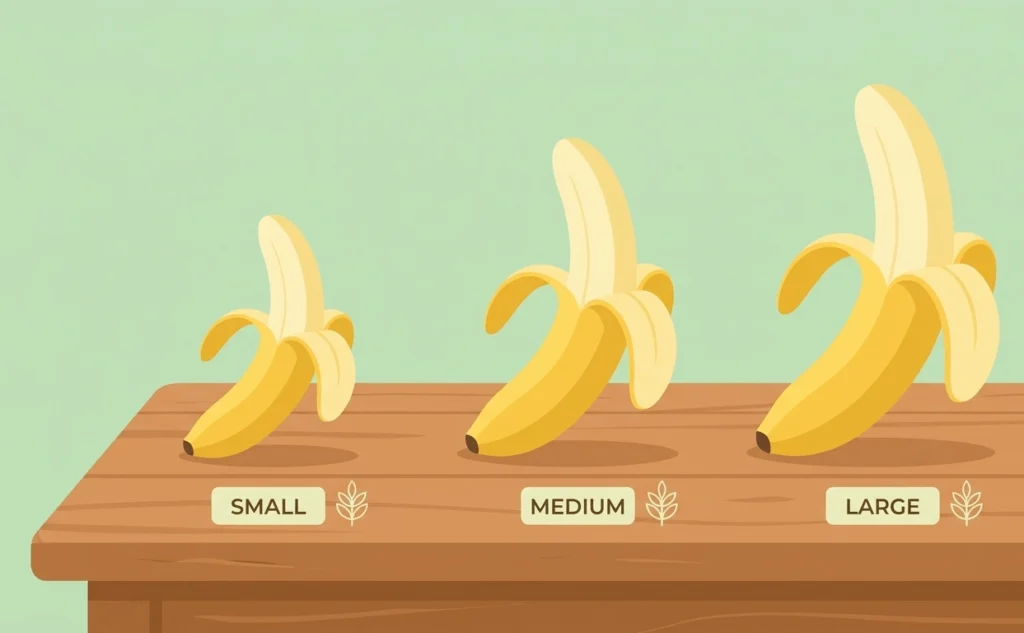
Not all bananas are the same size, and portion size changes the fiber count. Below is a simple breakdown to help you understand how much fiber in banana you’re eating based on size.
Small Banana Fiber Content
A small banana, usually under 7 inches long, contains approximately 2.4 to 2.6 grams of fiber. This is a good snack-sized option if you’re watching your carbohydrate intake while still wanting some fiber benefit.
Medium Banana Fiber Content
The most commonly referenced size when discussing how much fiber in banana is the medium banana. At around 118 grams, it delivers close to 3.1 grams of fiber, along with roughly 105 calories and 14 grams of natural sugar.
Large Banana Fiber Content
A large banana, typically 8 to 9 inches long, can provide close to 3.5 to 4 grams of fiber. If your goal is to increase fiber intake through fruit, choosing a larger banana is a simple way to do it.
How Much Fiber in Banana Compared to Other Fruits
Understanding how much fiber in banana makes more sense when you compare it to other common fruits. While bananas are a decent fiber source, they are not the highest-fiber fruit available.
Apples, pears, and raspberries generally contain more fiber per serving than bananas. For example, a medium apple can offer more than 4 grams of fiber, while raspberries can pack over 6 grams per cup. This doesn’t mean bananas aren’t worth eating; it simply means that if fiber is your only goal, pairing bananas with other high-fiber fruits gives you a more balanced result.
Still, the answer to how much fiber in banana remains solid enough to call it a reliable, everyday fiber source, especially because it’s convenient, affordable, and easy to digest.https://fdc.nal.usda.gov/food-details/173944/nutrients
Types of Fiber in Banana
Fiber isn’t just one single nutrient. When people ask how much fiber in banana, they often don’t realize that bananas contain two distinct types of fiber, each with its own health role.
Soluble Fiber in Banana
Soluble fiber dissolves in water and forms a gel-like substance during digestion. Bananas contain a notable amount of soluble fiber called pectin, which may help support healthy cholesterol levels and slow down sugar absorption into the bloodstream.
Insoluble Fiber in Banana
Insoluble fiber does not dissolve in water. Instead, it adds bulk to stool and helps food move through the digestive tract more efficiently. This type of fiber in banana is part of why the fruit is often recommended for supporting regular bowel movements.
How Much Fiber in Banana – Green vs Ripe
Ripeness plays a surprisingly large role in how much fiber in banana you’re consuming, particularly the type of fiber-like compound called resistant starch.
Green, unripe bananas contain significantly more resistant starch, which behaves similarly to fiber in the digestive system. As a banana ripens, this resistant starch converts into natural sugars, which is why ripe bananas taste sweeter but may offer slightly less resistant starch benefit.
If your main goal is maximizing fiber-like benefits, eating a slightly greener banana may give you an edge, while a ripe banana is easier to digest and tastes better for most people.
Health Benefits of Fiber in Banana
Knowing how much fiber in banana you eat is only half the story. It’s also worth understanding why that fiber matters for your body.
- Supports digestive health and regular bowel movements
- May help reduce constipation due to insoluble fiber content
- Can support healthy blood sugar levels by slowing sugar absorption
- May contribute to better cholesterol management through soluble fiber
- Helps promote a feeling of fullness, which can support weight management
Because of these benefits, many nutritionists recommend bananas as part of a balanced, fiber-conscious diet.https://www.mayoclinic.org/healthy-lifestyle/nutrition-and-healthy-eating/in-depth/fiber/art-20043983
How Much Fiber in Banana You Need Daily
To fully appreciate how much fiber in banana contributes to your day, it helps to know your overall fiber target. General dietary guidelines suggest adults aim for around 25 grams of fiber per day for women and about 38 grams per day for men.
Given that one medium banana provides roughly 3.1 grams, that single fruit covers about 8 to 12 percent of your daily fiber needs, depending on your gender and age. This makes bananas a convenient, low-effort way to move closer to your daily fiber goal without needing a complicated meal plan.
How to Increase Fiber Intake with Bananas
If you’re trying to boost your fiber intake and want to use bananas as part of that strategy, here are a few practical, easy tips.
- Add sliced banana to high-fiber oatmeal for a fuller breakfast
- Blend a whole banana into smoothies along with leafy greens
- Pair banana with nut butter for added fiber and healthy fats
- Choose slightly under-ripe bananas for more resistant starch
- Eat the banana whole instead of juicing it, since juicing removes fiber
Each of these small changes can help you get more benefit from the fiber in banana without changing your entire diet.
How Much Fiber in Cooked or Dried Banana
Fiber content can shift slightly depending on preparation. When people ask how much fiber in banana that has been cooked or dried, the numbers do change because water content is reduced.
Dried banana chips, for example, are more calorie-dense and can contain a higher concentrated fiber amount per gram compared to fresh banana, simply because the water has been removed. However, dried banana products often come with added sugar, so it’s worth checking labels if fiber and low sugar are both priorities.
Cooked banana, such as in baking, typically retains most of its fiber content, though some structural breakdown of the fruit’s cell walls can occur during heat exposure.
How Much Fiber in Banana for Weight Loss
People trying to lose weight often want to know how much fiber in banana can help with appetite control. Fiber slows down digestion, which means it takes longer for your stomach to feel empty after eating.
Because a medium banana delivers about 3.1 grams of fiber along with natural sugars and starch, it can help curb hunger between meals without adding excessive calories. Pairing banana with a protein source, like Greek yogurt or a handful of nuts, can extend that fullness even further.
While no single fruit will cause weight loss on its own, understanding how much fiber in banana fits into your overall calorie and nutrient plan can make it a smart, low-effort snack choice.How Much Fiber in Apple? A Complete, No-Fluff Breakdown
How Much Fiber in Banana for Kids
Parents often ask how much fiber in banana is appropriate for children, especially toddlers who are still building healthy eating habits. A half banana or small banana usually provides enough fiber for a young child’s snack without overwhelming their smaller digestive system.
Bananas are also naturally soft, mildly sweet, and easy to mash, which makes them a popular first fruit for babies transitioning to solid foods. As children grow, a full medium banana becomes a reasonable, fiber-friendly snack option.
Banana Fiber and Gut Health
Beyond basic digestion, how much fiber in banana matters for long-term gut health too. The soluble fiber found in bananas, primarily pectin, can act as a prebiotic, feeding beneficial bacteria in the gut.
A healthier gut microbiome has been linked to better immune function, improved mood regulation, and more consistent digestion. So while a single banana won’t transform your gut health overnight, regularly including bananas in your diet supports a more fiber-rich, bacteria-friendly environment inside your digestive tract.
Best Time to Eat Banana for Fiber Benefits
Timing can influence how effectively you absorb the benefits of banana fiber. Eating a banana in the morning, alongside breakfast, can help slow the release of sugar into your bloodstream and provide steady energy throughout the first part of your day.
Some people prefer eating a banana about 30 minutes before a workout, since the natural carbohydrates offer quick fuel while the fiber content helps prevent a rapid energy crash. Others enjoy a banana as an evening snack, pairing it with a small serving of nut butter to slow digestion overnight.
There isn’t a single “best” time that works for everyone. What matters most is consistency, portion size, and pairing banana with other nutrient-dense foods so your body gets a steady, balanced supply of fiber throughout the day.How Much Fiber in Avocado? The Complete Guide You Need to Read
Do Banana Peels Contain Fiber?
An often-overlooked question is whether the peel itself adds to the fiber count. Banana peels are technically edible and do contain dietary fiber, along with other nutrients like potassium and antioxidants.
However, most people don’t eat banana peels due to their bitter taste and tough texture. If you’re curious about boosting your fiber intake even further, blending a small piece of well-washed, ripe banana peel into a smoothie is one way some health enthusiasts experiment with getting extra nutrients, though this remains a personal preference rather than a necessity.
Storing Bananas to Preserve Nutritional Value
Proper storage doesn’t just affect taste and texture, it can also play a role in preserving the fruit’s overall nutritional profile, including its fiber and starch content. Keeping bananas at room temperature allows them to ripen naturally, while refrigeration can slow down the ripening process once they reach your preferred stage.
Freezing bananas is a popular option for smoothies and baking, and this method generally preserves most of the fruit’s original nutrient content, including its fiber, for later use.
Common Mistakes When Estimating Banana Fiber
Many people misjudge how much fiber in banana they’re actually getting because they don’t account for portion size. A few common mistakes include:
- Assuming all bananas have identical fiber content regardless of size
- Confusing sugar content with fiber content
- Overestimating fiber in banana-flavored processed snacks
- Ignoring the difference between whole banana and banana juice
Avoiding these mistakes will give you a much more accurate picture of your actual fiber intake.
Is Banana a High-Fiber Food?
Technically, bananas are considered a good source of fiber rather than an exceptionally high-fiber food. Foods are usually labeled “high fiber” when they contain 5 grams or more per serving, and a medium banana falls just under that threshold.
That said, the consistent answer to how much fiber in banana still makes it a reliable everyday contributor to your fiber intake, especially when eaten regularly as part of a varied diet.
Final Thoughts on How Much Fiber in Banana
So, how much fiber in banana should you expect? On average, a medium banana gives you about 3.1 grams of fiber, a small banana slightly less, and a large banana slightly more. While bananas aren’t the highest-fiber fruit on the shelf, they remain a convenient, affordable, and nutrient-rich option that supports digestion, blood sugar balance, and daily satiety.
Whether you eat bananas plain, blended into smoothies, or sliced over oatmeal, understanding how much fiber in banana helps you make smarter, more informed choices about your daily nutrition.
FAQs
Q1: How much fiber in banana on average?
A medium banana, roughly 118 grams, contains approximately 3.1 grams of dietary fiber.
Q2: How much fiber in banana per 100 grams?
Per 100 grams, banana contains close to 2.6 grams of fiber.
Q3: How much fiber in banana compared to an apple?
An apple typically has slightly more fiber than a banana, often exceeding 4 grams per medium fruit, while a banana provides around 3.1 grams.
Q4: Does a green banana have more fiber than a ripe one?
Green bananas contain more resistant starch, which behaves like fiber, while ripe bananas have slightly less of this compound as it converts into natural sugar.
Q5: How much fiber in banana do I need to eat daily to hit my fiber goal?
Since daily fiber needs range from about 25 to 38 grams, you’d need multiple servings of fiber-rich foods alongside bananas to reach your full daily target.
Q6: Is the fiber in banana soluble or insoluble?
Bananas contain both soluble fiber, mainly pectin, and insoluble fiber, which together support digestion and gut health.
Q7: Does cooking a banana change its fiber content?
Cooking generally preserves most of the fiber in banana, though heat can slightly break down the fruit’s structure.
Ad Disclaimer: This post may contain affiliate links or sponsored content. If you click on a link and make a purchase, we may earn a small commission at no extra cost to you. All nutritional information shared in this article is for educational purposes only and should not be considered medical advice. Please consult a registered dietitian or healthcare provider for personalized dietary guidance.