
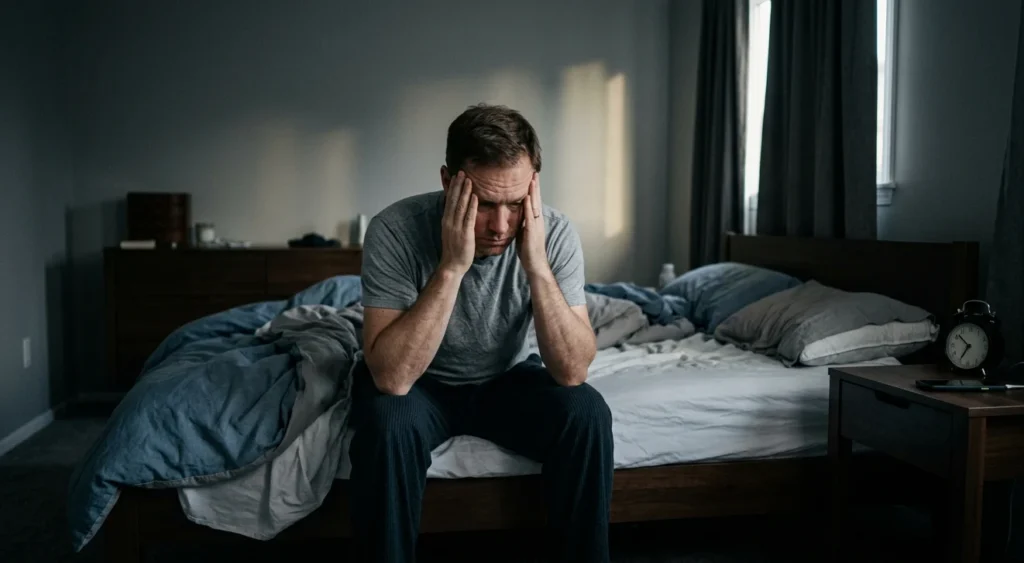
A male hormone test is one of the most powerful tools a man can use to take control of his health yet millions of men have never had one done. If you have been feeling constantly tired, struggling to build muscle despite working out hard, or noticing a dip in your drive and motivation, the root cause could be hidden inside your own hormones.
Most men chalk these symptoms up to stress, aging, or just “getting older.” But here is the truth: hormonal imbalances are incredibly common, and they are absolutely detectable with the right tests.
In this guide, we will break down everything you need to know about getting a male hormone test: what it checks, why it matters, how to read your results, and what to do if something is off. Whether you are 25 or 65, understanding your hormones is a game-changer.
What Is a Male Hormone Test?
A male hormone test is a blood panel and sometimes a saliva or urine test that measures the levels of key hormones in a man’s body. Think of it like a detailed report card for your endocrine system.
These tests are not just for athletes or bodybuilders. They are relevant for any man who wants to understand his body better or who has been experiencing unexplained physical or mental changes.
Doctors often order a male hormone test when a patient presents symptoms like fatigue, weight gain, mood swings, low libido, or infertility. But you do not have to wait for symptoms to spiral out of control. Proactive testing is one of the smartest things you can do for your long-term health.
Why Is a Male Hormone Test So Important?
Hormones regulate nearly every major function in the body from energy and mood to metabolism and sexual health. When even one hormone falls out of range, the ripple effects can touch every area of your life.
Low testosterone, for example, does not just affect your gym performance. It can contribute to depression, cognitive fog, poor bone density, and increased risk of cardiovascular disease. Elevated estrogen in men can cause gynecomastia, water retention, and emotional instability.
Getting a male hormone test gives you hard data. It removes the guesswork and helps you and your doctor build a targeted, evidence-based plan instead of just “eating better and sleeping more” without knowing what is actually wrong.
Key Hormones Measured in a Male Hormone Test
Not all hormone panels are the same. Depending on where you get tested and what your doctor suspects, the panel can be narrow or comprehensive. Here are the most important hormones typically included:
1. Total Testosterone and Free Testosterone
Testosterone is the cornerstone of male health. Total testosterone measures all of the testosterone in your blood. Free testosterone measures the fraction that is not bound to proteins and is actually available for your body to use.
A standard male hormone test should always include both. You can have “normal” total testosterone but still suffer from low-T symptoms if your free testosterone is low. Normal ranges generally sit between 300–1,000 ng/dL for total testosterone, but optimal levels are typically in the higher half of that range.https://www.mayoclinic.org/diseases-conditions/male-hypogonadism/symptoms-causes/syc-20354881
2. LH and FSH — The Control Hormones
Luteinizing hormone (LH) and follicle-stimulating hormone (FSH) are released by the pituitary gland. They signal the testes to produce testosterone and sperm.
If testosterone is low and LH/FSH are also low, the problem is originating in the brain (secondary hypogonadism). If LH/FSH are high but testosterone is low, the issue is in the testes themselves (primary hypogonadism). This distinction is critical it changes the entire treatment approach.
3. Estradiol (E2) — Men Need Estrogen Too
Yes, men produce estrogen and they need it. Estradiol is the primary form of estrogen in men, and it plays important roles in bone health, libido, and cardiovascular function.
However, when estradiol is too high (often from excess body fat that converts testosterone to estrogen), it can cause mood problems, sexual dysfunction, and fat distribution changes. Every quality male hormone test should include estradiol measurement.
4. SHBG — The Hormone Binder
Sex hormone-binding globulin (SHBG) is a protein that binds to testosterone and makes it unavailable to the body. High SHBG means less free testosterone is available even if total levels look fine on paper.
SHBG levels naturally rise with age, which is one reason why men in their 50s and 60s often feel hormonal symptoms even when their “testosterone” appears normal on a basic test.
5. DHEA-S — The Adrenal Hormone
Dehydroepiandrosterone sulfate (DHEA-S) is produced by the adrenal glands and serves as a precursor to testosterone. Low DHEA-S can indicate adrenal fatigue or poor hormonal production upstream.
Including DHEA-S in your male hormone test gives a fuller picture of where the breakdown in your hormonal chain might be occurring.
6. Prolactin — Often Overlooked
Prolactin is a hormone most people associate with breast milk production but in men, elevated prolactin can crush testosterone, kill libido, and even cause infertility. High prolactin in men is sometimes a sign of a benign pituitary tumor called a prolactinoma.
It is a hormone that is frequently skipped in routine testing, which is a serious oversight given how much it can affect a man’s quality of life.
7. Thyroid Hormones — The Metabolism Regulators
While not sex hormones per se, TSH (thyroid-stimulating hormone), free T3, and free T4 directly impact energy levels, weight, mood, and sexual function. Hypothyroidism can mimic low testosterone almost symptom for symptom.
A truly comprehensive male hormone test panel should include thyroid markers, especially if fatigue and weight gain are primary complaints.
Who Should Get a Male Hormone Test?
The short answer: any man who wants to understand his body. But some situations make testing especially important:
- Men over 30 experiencing unexplained fatigue or weight gain
- Couples struggling with infertility
- Men experiencing low libido or erectile dysfunction
- Athletes or fitness enthusiasts tracking performance optimization
- Men with depression, anxiety, or mood instability not responding to standard treatments
- Men on testosterone replacement therapy (TRT) who need regular monitoring
Even if none of those apply to you, getting a baseline male hormone test in your 20s or 30s is smart medicine. It gives you reference values to compare against as you age.
How to Prepare for a Male Hormone Test
Getting accurate results requires some preparation. Here are the most critical steps:https://my.clevelandclinic.org/health/diagnostics/4053-testosterone-level-test
Test in the Morning
Testosterone levels are highest in the early morning typically peaking between 7 and 10 AM. Testing later in the day can produce artificially low readings. Always schedule your male hormone test for the morning hours.
Fast for 8–12 Hours
Eating can affect certain hormone levels, particularly insulin and cortisol, which indirectly affect testosterone. Most labs recommend fasting before a hormone panel. Water is fine just skip the coffee and breakfast.
Avoid Intense Exercise the Day Before
Heavy training can temporarily suppress testosterone levels. Avoid intense workouts for at least 24 hours before your test to ensure the results reflect your baseline.
Disclose All Medications and Supplements
Steroids, prohormones, certain medications (like opioids, antidepressants, and statins), and even herbal supplements can affect hormone levels. Be completely transparent with your doctor about everything you are taking.
How to Read and Understand Your Male Hormone Test Results
Getting your results back can feel overwhelming if you do not know what you are looking at. Here is a simplified guide to interpreting the most common values:
| Hormone | Low | Normal Range | High |
| Total Testosterone | < 300 ng/dL | 300–1,000 ng/dL | > 1,000 ng/dL |
| Free Testosterone | < 9 pg/mL | 9–30 pg/mL | > 30 pg/mL |
| Estradiol (E2) | < 10 pg/mL | 10–40 pg/mL | > 40 pg/mL |
| SHBG | < 10 nmol/L | 10–57 nmol/L | > 57 nmol/L |
| LH | < 1.7 IU/L | 1.7–8.6 IU/L | > 8.6 IU/L |
| Prolactin | < 2 ng/mL | 2–18 ng/mL | > 18 ng/mL |
Keep in mind: “normal” ranges are statistical averages not optimal targets. Many men feel their best in the upper third of the testosterone range. Work with a doctor who understands this distinction.
What Happens If Your Male Hormone Test Shows Abnormal Results?
Finding out your hormones are out of range can feel alarming but knowledge is power. Here is what typically comes next:
Repeat Testing
One abnormal result does not automatically mean a diagnosis. Most doctors will order a second male hormone test a few weeks later to confirm. Hormone levels can fluctuate based on sleep, stress, illness, and dozens of other factors.
Lifestyle Interventions First
For mild deficiencies, doctors often recommend lifestyle changes before medication. Optimizing sleep (7–9 hours), reducing alcohol intake, managing stress, improving diet, and resistance training can all meaningfully raise testosterone levels within weeks.
Medical Treatments
If lifestyle changes are insufficient, a doctor may recommend medical intervention. Options include testosterone replacement therapy (TRT), clomiphene citrate to stimulate natural production, or targeted treatments depending on the specific hormone imbalance found in your male hormone test.Hormone Test for Women: The Complete Guide to Understanding Your Hormonal Health
Where Can You Get a Male Hormone Test?
You have several options depending on your location, budget, and how quickly you want results:
Your Primary Care Doctor or GP
The most traditional route. Your doctor can order a hormone panel and review results with you. The downside is that many GPs only order a basic testosterone test, which may miss important markers. You may need to specifically ask for a comprehensive panel that includes free testosterone, estradiol, SHBG, and prolactin.
Men’s Health Clinics and Endocrinologists
Specialists in hormonal health will typically run a far more thorough panel and have more nuanced expertise in interpreting results. If you suspect a serious hormonal issue, this is where to go.
Online Testing Services
In recent years, direct-to-consumer male hormone test services have exploded in popularity. Companies like Medichecks, LetsGetChecked, Everlywell, and others allow you to order a test kit online, visit a local lab or use an at-home collection kit, and receive your results digitally often within 48 hours.
These services are convenient, private, and increasingly comprehensive. However, for any abnormal results, you should still follow up with a qualified doctor for interpretation and treatment.
How Often Should You Take a Male Hormone Test?
The answer depends on your age, health status, and goals:
- Under 30 with no symptoms: A single baseline test is useful. Retest every 3–5 years.
- Ages 30–50: Annual testing is reasonable, especially if symptoms arise.
- Over 50: Annual testing is strongly recommended given the natural decline in testosterone.
- On TRT or hormone therapy: Every 3–6 months to monitor levels and adjust dosing.
Dangerous Myths About Male Hormone Testing — Debunked
Myth 1: “Only Older Men Need Hormone Testing”
False. Testosterone levels can be low at any age. Young men in their 20s and 30s are increasingly being diagnosed with hypogonadism, partly due to lifestyle factors like poor diet, chronic stress, and environmental exposures.
Myth 2: “A Basic Testosterone Test Is Enough”
A basic total testosterone test alone is rarely sufficient. A proper male hormone test should include free testosterone, SHBG, estradiol, LH, FSH, and ideally prolactin and thyroid markers. Without the full picture, important issues can be completely missed.Hormone: 7 Proven Ways To Balance
Myth 3: “If Your Doctor Says You’re Normal, You Are Fine”
Laboratory reference ranges are broad population averages. A man with testosterone at the very bottom of the “normal” range may still experience significant symptoms. Functional health and optimal health are not the same thing. Advocate for yourself and ask for a full review if your symptoms persist.
Final Thoughts: Why a Male Hormone Test Could Change Your Life
The male hormone test is not a luxury reserved for athletes or men with obvious health problems. It is a fundamental health screening tool that every man deserves access to.
If you have been feeling off tired, unmotivated, foggy, or just not yourself do not wait another year hoping things will improve on their own. Book a comprehensive hormone panel. The answers you find might surprise you, and the improvements that follow could be genuinely life-changing.
Your hormones are the invisible hand steering your energy, mood, strength, and vitality. Understanding them is the first step toward reclaiming the version of yourself you know you can be.
Frequently Asked Questions (FAQ)
Q1: What is a male hormone test and what does it check?
A male hormone test is a blood panel that measures key hormones in a man’s body, including total testosterone, free testosterone, estradiol (E2), SHBG, LH, FSH, prolactin, and sometimes thyroid hormones. It helps identify hormonal imbalances that may be causing symptoms like fatigue, low libido, weight gain, mood changes, or infertility. A comprehensive panel gives a full picture of how your endocrine system is functioning.
Q2: How much does a male hormone test cost?
The cost of a male hormone test varies widely depending on where you get it done. Through a doctor and insurance, basic panels may be covered or cost very little out of pocket. Private lab testing without insurance typically ranges from $50 to $250 for a comprehensive panel. Direct-to-consumer online testing kits (like Medichecks or Everlywell) generally cost between $80 and $200. Always compare what hormones are included in each panel before purchasing, as cheaper tests often only measure total testosterone and miss critical markers.
Q3: What are the symptoms of low testosterone in men?
Common symptoms of low testosterone include persistent fatigue and low energy, reduced sex drive, difficulty building or maintaining muscle mass, increased body fat especially around the abdomen, mood changes like depression or irritability, brain fog and difficulty concentrating, poor sleep quality, reduced bone density, and erectile dysfunction. If you experience several of these symptoms together, a male hormone test is the most reliable way to determine whether low testosterone is the underlying cause.
Q4: When is the best time to take a male hormone test?
The best time to take a male hormone test is in the morning, ideally between 7:00 AM and 10:00 AM. This is when testosterone levels are naturally at their peak. Testing later in the day can produce readings that are 15–25% lower than your actual baseline, which could lead to misdiagnosis. You should also fast for 8–12 hours beforehand and avoid intense exercise the day prior to ensure the most accurate results.
Q5: Can I do a male hormone test at home?
Yes, at-home male hormone test kits are now widely available. These kits typically involve a finger-prick blood sample or dried blood spot collection that you mail to a certified laboratory. Results are usually delivered via a secure online portal within 2–5 business days. While convenient and private, at-home tests are best used as a screening tool. If your results show any abnormalities, it is important to follow up with a qualified healthcare provider for a proper diagnosis and treatment plan.
Q6: What is a normal testosterone level for men by age?
Normal testosterone levels vary by age. For men in their 20s, levels typically range between 600–900 ng/dL. In their 30s, levels begin a gradual decline of about 1–2% per year, settling around 500–800 ng/dL. By their 40s and 50s, many men fall in the 400–700 ng/dL range. Men over 60 often measure between 300–600 ng/dL. It is important to note that the clinical “normal” range of 300–1,000 ng/dL is very broad. Men at the lower end of the range can still experience significant symptoms, which is why a male hormone test should always be interpreted alongside symptoms, not just numbers.
Q7: Can lifestyle changes improve hormone levels without medication?
Absolutely. For men with mildly low hormone levels, lifestyle changes can produce significant improvements. Regular resistance training (especially compound lifts like squats and deadlifts) has been shown to boost testosterone. Prioritizing 7–9 hours of quality sleep per night is one of the most powerful natural testosterone boosters. Reducing chronic stress lowers cortisol, which suppresses testosterone when chronically elevated. Eating a balanced diet rich in healthy fats, zinc, and vitamin D also supports hormonal health. Reducing alcohol intake and maintaining a healthy body weight are equally important. A follow-up male hormone test after 90 days of consistent lifestyle changes can reveal just how much improvement is possible.
Q8: Is a male hormone test the same as a fertility test?
Not exactly, but they overlap. A male hormone test measures hormone levels that directly impact fertility including FSH, LH, and testosterone which are critical for sperm production. However, a dedicated male fertility evaluation also includes a semen analysis, which measures sperm count, motility, morphology, and volume. If you and your partner are struggling to conceive, it is advisable to get both a male hormone test and a semen analysis as part of a comprehensive fertility workup. Hormonal imbalances are among the most treatable causes of male infertility.
Q9: Does insurance cover a male hormone test?
In many cases, yes but it depends on your insurance plan and how the test is ordered. If your doctor orders a male hormone test based on documented symptoms (such as fatigue, low libido, or erectile dysfunction), it is more likely to be covered under your plan. Routine or preventative hormone screening may not always be covered. It is best to call your insurance provider beforehand to confirm coverage and get the test ordered through an in-network provider to minimize out-of-pocket costs. If coverage is denied, direct-to-consumer lab testing is a cost-effective alternative.
Q10: How long does it take to get male hormone test results?
Results turnaround time depends on where you are tested. Lab testing ordered by your doctor typically returns results within 1–3 business days, which your provider will then review with you at a follow-up appointment. Direct-to-consumer services and private lab companies often deliver results online within 24–72 hours. At-home blood spot kits generally take 3–5 business days once your sample reaches the laboratory. Some clinics offer same-day or next-day results for urgent cases. Always ensure results are reviewed by a knowledgeable clinician who can put the numbers in context with your symptoms and medical history.
References
Bhasin S, et al. (2018). Testosterone Therapy in Men with Hypogonadism: An Endocrine Society Clinical Practice Guideline. Journal of Clinical Endocrinology & Metabolism, 103(5), 1715–1744. https://doi.org/10.1210/jc.2018-00229
Harman SM, et al. (2001). Longitudinal effects of aging on serum total and free testosterone levels in healthy men. Journal of Clinical Endocrinology & Metabolism, 86(2), 724–731.
Travison TG, et al. (2007). A population-level decline in serum testosterone levels in American men. Journal of Clinical Endocrinology & Metabolism, 92(1), 196–202.
Wu FC, et al. (2010). Identification of late-onset hypogonadism in middle-aged and elderly men. New England Journal of Medicine, 363(2), 123–135.
Snyder PJ, et al. (2016). Effects of Testosterone Treatment in Older Men. New England Journal of Medicine, 374(7), 611–624.
Corona G, et al. (2012). Hypogonadism as a risk factor for cardiovascular mortality in men: a meta-analytic study. European Journal of Endocrinology, 165(5), 687–701.
Mulligan T, et al. (2006). Prevalence of hypogonadism in males aged at least 45 years: the HIM study. International Journal of Clinical Practice, 60(7), 762–769.
National Institutes of Health (NIH). MedlinePlus. Testosterone Levels Test. https://medlineplus.gov/lab-tests/testosterone-levels-test/
| Disclaimer :. All opinions expressed in this article are our own and are not influenced by any advertiser, sponsor, or affiliate partner. This content is for informational purposes only and does not constitute medical advice. Always consult a qualified healthcare professional before making any health-related decisions. |