Foods that balance hormones in females are more powerful than most women realize. If you have been dealing with mood swings, irregular periods, unexplained weight gain, brain fog, or just feeling off your hormones might be sending you a message. And the good news? What you eat can make a massive difference.
Hormones control nearly every function in your body from sleep and metabolism to fertility and mood. When they fall out of balance, life gets complicated. But before reaching for a prescription, many women are finding real, lasting relief by making specific, targeted changes to their diet.
In this guide, we break down exactly which foods help balance hormones in females, what to avoid, and how to build a sustainable eating plan that supports your endocrine system for the long haul.
Why Hormonal Imbalance Is So Common in Women
Before we dive into the best foods that balance hormones in females, it helps to understand why imbalances happen in the first place.
Women are particularly vulnerable to hormonal disruption because of the natural hormonal cycles tied to menstruation, pregnancy, perimenopause, and menopause. On top of that, modern life adds a layer of stress, environmental toxins, poor sleep, and ultra-processed food that can throw your endocrine system completely off balance.
Common signs of hormonal imbalance in females include:
- Irregular or painful periods
- Mood swings and anxiety
- Fatigue and low energy
- Unexplained weight changes
- Acne, especially around the jawline
- Difficulty sleeping
- Low libido
The encouraging part is that food is one of the most accessible and effective tools you have to start correcting these imbalances naturally.
The Best Foods That Balance Hormones in Females
1. Cruciferous Vegetables
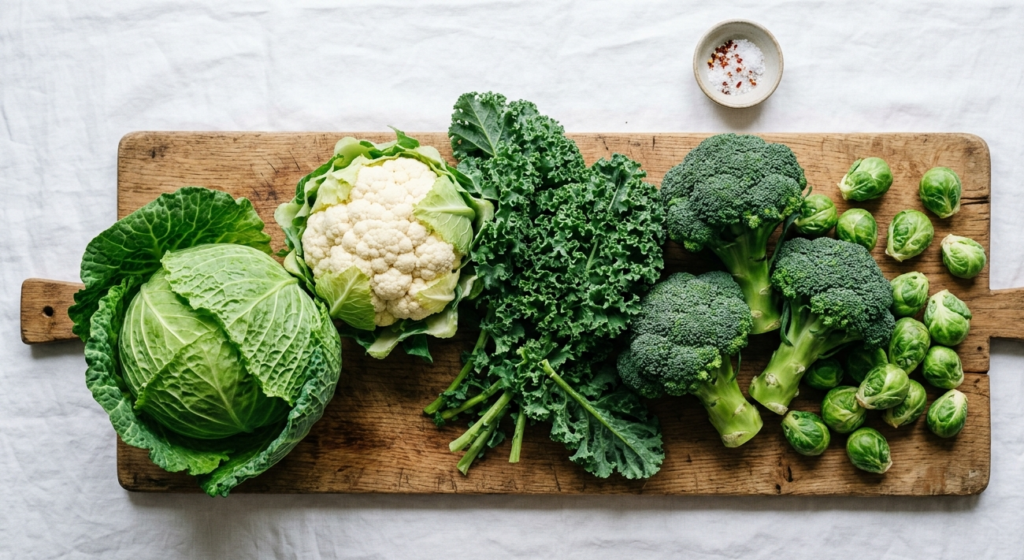
Cruciferous vegetables think broccoli, cauliflower, Brussels sprouts, kale, and cabbage are among the most powerful foods that balance hormones in females. They contain a compound called indole-3-carbinol (I3C), which helps the liver metabolize estrogen more efficiently.
When estrogen is not properly broken down and eliminated, it recirculates in the body, contributing to estrogen dominance a condition linked to PMS, heavy periods, fibroids, and even certain cancers. Adding cruciferous vegetables to your plate regularly can significantly support healthy estrogen detoxification.
Tip: Steam rather than boil them to preserve their active compounds.
2. Flaxseeds
Flaxseeds are rich in lignans, a type of phytoestrogen that actually helps modulate estrogen levels. They can bind to estrogen receptors and either mildly stimulate or block them depending on what your body needs making them one of the most adaptogenic foods that balance hormones in females.
They are also high in omega-3 fatty acids and fiber, which support gut health and reduce inflammation two factors deeply tied to hormonal balance.
How to use them: Add one to two tablespoons of ground flaxseeds to smoothies, oatmeal, or yogurt daily.
3. Fatty Fish
Salmon, sardines, mackerel, and trout are loaded with omega-3 fatty acidshttps://www.healthline.com/nutrition/omega-3-guide that directly support hormone production. Hormones like estrogen, progesterone, and testosterone are made from cholesterol and fatty acids so getting quality fats is non-negotiable.
Omega-3s also reduce the inflammation that drives hormonal chaos, and they support brain health which is closely linked to the hypothalamus the master regulator of your hormone system.
4. Avocado
Avocado deserves its superfood status when it comes to hormonal health. It is packed with beta-sitosterol, a plant sterol that influences cortisol levels and supports progesterone balance.
It is also a great source of healthy monounsaturated fats, folate, potassium, and fiber. These nutrients collectively support adrenal function, reduce cortisol spikes, and give your body the building blocks it needs for hormone synthesis.
5. Leafy Greens
Spinach, Swiss chard, arugula, and romaine lettuce are rich in magnesium one of the most underrated minerals for hormonal balance. Magnesium supports over 300 enzymatic reactions in the body, including those involved in cortisol regulation, thyroid function, and insulin sensitivity.
Low magnesium is also linked to worse PMS symptoms, poor sleep, and heightened anxiety all hallmarks of hormonal disruption. Leafy greens are truly foundational foods that balance hormones in females.Reasons for Hormonal Imbalance in Females: The Complete Guide Every Woman Needs to Read
6. Berries
Blueberries, strawberries, raspberries, and blackberries are loaded with antioxidants that protect hormone-producing glands from oxidative damage. They are also high in fiber, which supports the elimination of excess estrogen through the digestive system.
The natural compounds in berries also support insulin sensitivity and because insulin interacts directly with reproductive hormones like estrogen and testosterone, keeping blood sugar stable is key to hormonal balance.
7. Nuts and Seeds
Almonds, walnuts, pumpkin seeds, and sunflower seeds are excellent sources of zinc, selenium, vitamin E, and healthy fats all of which are critical for hormone production and thyroid health.
Pumpkin seeds in particular are high in zinc, which supports progesterone production. Selenium found in Brazil nuts (even just one or two a day) is essential for converting thyroid hormone T4 into its active form T3.
8. Whole Grains
Oats, quinoa, brown rice, and whole grain bread help stabilize blood sugar levels and stable blood sugar means stable hormones. Blood sugar spikes trigger insulin surges, which in turn disrupt cortisol and sex hormone balance.
Oats are especially beneficial because they contain beta-glucan fiber, which supports gut health and helps the body excrete excess estrogen effectively. Whole grains are foundational foods that balance hormones in females.How to Control Hormonal Imbalance in Females
9. Fermented Foods
The gut microbiome and hormonal health are deeply connected. A healthy gut helps regulate estrogen metabolism through a collection of bacteria called the estrobolome. When gut health is poor, estrogen can be reabsorbed rather than excreted, contributing to hormonal imbalance.
Yogurt, kefir, kimchi, sauerkraut, and kombucha are all excellent fermented foods that support a healthy gut microbiome and by extension, better hormone balance.
10. Eggs
Eggs are one of the most complete foods for hormonal health. They contain choline, iodine, vitamin D, B vitamins, and quality protein all critical for hormone synthesis and thyroid function.
Vitamin D acts more like a hormone than a vitamin in the body, and low levels are strongly linked to PCOS, thyroid disorders, and mood issues in women. Getting enough vitamin Dhttps://pubmed.ncbi.nlm.nih.gov/20418394 from food and sunlight is non-negotiable for hormonal health.
Foods to Avoid for Better Hormonal Balance in Females
Just as important as knowing which foods that balance hormones in females to eat, is knowing what to cut back on.
- Refined sugar and processed carbohydrates : spike insulin and disrupt cortisol
- Conventional dairy : may contain added hormones and antibiotics
- Alcohol : impairs liver function and estrogen detoxification
- Soy in large amounts : high in phytoestrogens, can be disruptive for some women
- Caffeine in excess : elevates cortisol and disrupts adrenal function
- Trans fats and fried foods : drive inflammation that disrupts hormone signaling
This does not mean you need to be perfect. But being mindful of how often these foods show up in your diet can significantly shift your hormonal landscape over time.
How to Build a Hormone-Balancing Meal Plan
Keep Blood Sugar Stable
Aim to eat every 3 to 4 hours and always include protein, healthy fat, and fiber at each meal. This steady approach prevents insulin spikes that cascade into hormonal disruption.
Eat Enough Calories
Undereating is one of the fastest ways to throw hormones out of balance. When the body senses famine, it suppresses reproductive hormones and ramps up cortisol. Eating enough of the right foods that balance hormones in females is not optional , it is essential.
Prioritize Anti-Inflammatory Foods
Chronic inflammation is a root driver of hormonal imbalance. Build every meal around whole, colorful, anti-inflammatory foods , think greens, berries, olive oil, turmeric, ginger, and fatty fish.
Support Your Liver
Your liver is your body’s hormone detox center. Foods like garlic, beets, dandelion greens, lemon water, and cruciferous vegetables help your liver process and eliminate hormones efficiently.
Lifestyle Habits That Amplify the Effect of Hormone-Balancing Foods
Diet alone is powerful, but combining it with the right lifestyle habits takes results to another level.
- Prioritize sleep : hormones like cortisol, insulin, and growth hormone are heavily regulated during sleep
- Manage stress : chronic stress is one of the biggest hormone disruptors for women
- Exercise consistently : but avoid overtraining which can spike cortisol
- Reduce exposure to endocrine disruptors : limit plastic food containers, harsh cleaning chemicals, and synthetic fragrances
- Consider seed cycling : a natural food-based approach to supporting estrogen and progesterone throughout your cycle
Frequently Asked Questions (FAQ)
Q1: What are the best foods that balance hormones in females naturally?
The top foods include flaxseeds, cruciferous vegetables, fatty fish, avocado, leafy greens, berries, whole grains, fermented foods, nuts and seeds, and eggs. These foods provide the building blocks for hormone synthesis, support estrogen detoxification, stabilize blood sugar, and reduce inflammation
Q2: How quickly can diet changes improve hormonal balance?
Most women start noticing improvements in energy, mood, and PMS symptoms within 4 to 6 weeks of making consistent dietary changes. Full hormonal rebalancing especially in cases of PCOS or perimenopause can take 3 to 6 months of sustained dietary effort.
Q3: Can foods that balance hormones in females help with PCOS?
Yes, absolutely. A diet focused on low-glycemic whole foods, lean proteins, healthy fats, and high-fiber vegetables has strong research backing for improving insulin sensitivity in women with PCOS which is often the root driver of the condition. Reducing refined sugar and processed carbs is particularly impactful.
Q4: Are phytoestrogens like soy safe for hormonal balance?
This is a nuanced topic. Moderate amounts of whole soy foods like edamame and tofu are generally considered safe and may even be beneficial for some women, particularly post-menopausal women. However, large quantities of soy protein isolates or supplements may be problematic for women with estrogen-sensitive conditions. When in doubt, consult your healthcare provider.
Q5: Do I need supplements in addition to eating hormone-balancing foods?
Food should always come first. However, certain nutrients like vitamin D, magnesium, omega-3s, and zinc can be difficult to get in therapeutic amounts from diet alone. After getting bloodwork done to identify any deficiencies, targeted supplementation under the guidance of a healthcare provider can complement your diet effectively.
Q6: Which foods should women avoid for hormonal health?
The main offenders are refined sugar, excess alcohol, processed and fried foods, conventional dairy (in large amounts), and excessive caffeine. These foods drive inflammation, impair liver function, spike insulin, and disrupt the delicate balance of your endocrine system.
Q7: Can hormonal balance improve skin and hair?
Yes, and this is one of the first places many women notice results. When estrogen, progesterone, and androgens are properly balanced, acne often clears, hair shedding reduces, and skin becomes more radiant. The connection between hormonal health and appearance is direct and well-documented
Q8: Is intermittent fasting good for female hormonal balance?
ntermittent fasting can be beneficial for some women particularly for improving insulin sensitivity and supporting weight management. However, extended fasting windows can be counterproductive for women of reproductive age, potentially disrupting cortisol and reproductive hormones. A gentler 12-hour overnight fast is often a safer starting point.
Final Thoughts on Foods That Balance Hormones in Females
Your hormones are not your enemy they are messengers trying to tell you what your body needs. And foods that balance hormones in females are among the most accessible, powerful tools you have to answer those messages.
You do not have to overhaul your entire diet overnight. Start small: add flaxseeds to your morning smoothie, swap white rice for quinoa, get more leafy greens on your plate, and cut back on refined sugar. These small changes compound into real, lasting hormonal health.
Remember, your body is remarkably adaptable. Give it the right raw materials consistently, and it will find its way back to balance.
DISCLAIMER
This blog post is intended for general informational and educational purposes only. The content provided here is not a substitute for professional medical advice, diagnosis, or treatment.
Always seek the guidance of your physician, registered dietitian, or qualified healthcare provider with any questions you may have regarding a medical condition or dietary changes.
The information about foods that balance hormones in females presented in this article is based on general nutritional research and is not tailored to any individual’s specific health needs. Results from dietary changes vary from person to person.
Never disregard professional medical advice or delay seeking it because of something you have read in this article. Sponsored/advertisement sections within this post are clearly marked and do not constitute a medical endorsement.