How much fiber in avocado — this is one of the most Googled questions in the nutrition world right now, and honestly, for good reason. Avocados have exploded in popularity over the last decade, and everyone wants to know exactly what they’re getting when they slice one open.
I’ll be straight with you — when I first started paying attention to fiber intake, I had no idea avocados were such a powerhouse. I thought they were just about healthy fats. Then I started looking at the actual numbers, and it completely changed how I thought about them.
In this post, I’m going to break down the fiber content of avocado in real, practical terms — whole fruit vs. half vs. 100g — and explain why it matters for your digestion, blood sugar, and overall health. Let’s get into it.
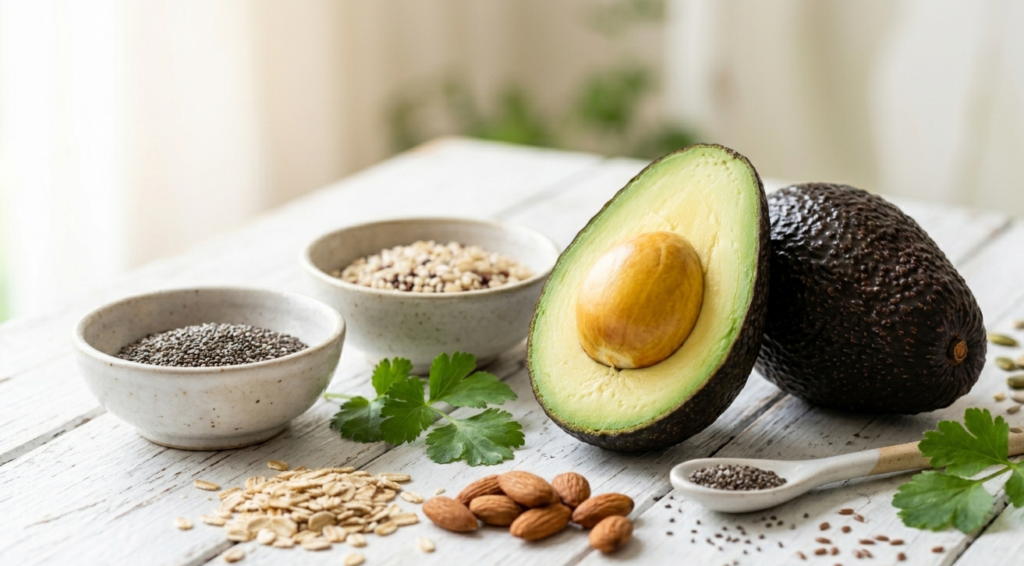
How Much Fiber in Avocado? The Quick Answer
A whole medium avocado (about 200g) contains roughly 13.5 grams of dietary fiber. That’s a significant chunk — more than half of what many adults need in a day from a single fruit.
Here’s a quick breakdown:
| Serving Size | Weight (approx.) | Dietary Fiber |
| Whole avocado (1 medium) | ~200g | ~13.5g |
| Half avocado | ~100g | ~6.7g |
| Per 100g | 100g | ~6.7g |
| 2 tbsp guacamole | ~30g | ~2g |
| Avocado slice (1/8 fruit) | ~25g | ~1.7g |
These numbers come from the USDA Food Data Central database, which is the gold standard for nutritional data in the US. And yes — the fiber content can vary slightly depending on the variety (Hass vs. Florida avocado) and ripeness, but these figures are a solid, reliable reference.
Avocado Fiber: Soluble vs. Insoluble — Why Both Matter
Not all fiber is the same. When people ask how much fiber in avocado, they’re often not thinking about the type of fiber — but the type actually matters a lot for your body.
Avocados contain both soluble and insoluble fiber, and here’s how they split:
Soluble Fiber in Avocado (~25–30% of total fiber)
Soluble fiber dissolves in water and forms a gel-like substance in your gut. This is the type that helps lower LDL (“bad”) cholesterol, slows glucose absorption, and feeds your beneficial gut bacteria. It’s the reason a high-fiber diet is linked to better heart health and stable blood sugar levels.
In a whole avocado, you’re getting roughly 3–4g of soluble fiber. That’s comparable to a bowl of oatmeal — which is saying something.
Insoluble Fiber in Avocado (~70–75% of total fiber)
Insoluble fiber doesn’t dissolve in water — it adds bulk to your stool and helps food move through your digestive tract. This is the fiber that keeps you regular, prevents constipation, and reduces the risk of colorectal issues over time.
The majority of fiber in avocado is insoluble — about 9–10g in a whole fruit. This is what makes avocado so effective for digestive health.
How Much Fiber Do You Actually Need Per Day?
Understanding how much fiber in avocado only makes sense when you compare it to your daily target. The Dietary Guidelines for Americans recommend:https://www.dietaryguidelines.gov
- Women under 50: 25 grams per day
- Men under 50: 38 grams per day
- Women over 50: 21 grams per day
- Men over 50: 30 grams per day
Here’s the wild part: studies show that most Americans only consume about 15 grams of fiber per day. That’s barely half the recommended amount. Eating just half an avocado adds 6.7g — that’s nearly 30% of a woman’s daily target in one shot.
So if you’re falling short on fiber, Fiber Rich Indian Food: Top Sources, Benefits & Easy Meal Ideasavocado is one of the most delicious and practical ways to close that gap.
7 Real Health Benefits of Avocado Fiber
Knowing how much fiber in avocado is one thing. Understanding what it does for your body is another. Here are the evidence-backed benefits you should know about:
1. Supports a Healthy Gut Microbiome
The soluble fiber in avocado acts as a prebiotic — meaning it feeds the beneficial bacteria in your gut. A 2021 study published in the Journal of Nutrition found that people who ate avocado daily had greater microbial diversity in their gut compared to those who didn’t. More diverse gut bacteria is linked to better immunity, mental health, and lower risk of chronic disease.
2. Helps Manage Blood Sugar Levels
The fiber in avocado slows down how quickly glucose enters your bloodstream. This is especially important if you’re managing diabetes or trying to prevent blood sugar spikes. Unlike refined carbs that cause a rapid rise and crash, avocado’s fiber keeps things steady. This is why avocado toast — yes, that trendy breakfast — is actually a nutritionally sound choice.
3. Promotes Heart Health
Soluble fiber binds to bile acids in the gut, which forces the liver to pull cholesterol from the blood to make more bile. The result? Lower LDL cholesterol. Combined with avocado’s oleic acid (a heart-healthy monounsaturated fat), you’ve got a fruit that works double duty for cardiovascular health.https://pubmed.ncbi.nlm.nih.gov
4. Keeps You Fuller for Longer
Fiber slows gastric emptying — in plain English, it keeps food in your stomach longer, which means you stay satisfied for hours. This is why many people notice they eat less overall when they include avocado regularly in their meals. It’s not just the fat — the fiber plays a huge role here.
5. Supports Healthy Weight Management
The combination of fiber and healthy fat in avocado makes it one of the most satiating foods you can eat. Studies consistently show that people who eat more fiber tend to have lower body weight over time. The fiber in avocado also has minimal impact on calorie density when it helps you avoid snacking between meals.
6. Reduces Risk of Colon Cancer
Insoluble fiber speeds up transit time in the colon, reducing how long potential carcinogens stay in contact with the colon wall. Multiple large studies have linked higher dietary fiber intake to a reduced risk of colorectal cancer. Adding avocado to your diet is one enjoyable way to increase that intake.
7. Improves Cholesterol Profile
Beyond just LDL, the fiber in avocado helps raise HDL (“good”) cholesterol and lower triglycerides. A comprehensive cholesterol profile improvement from a single food is rare — avocado genuinely delivers on this front.
How Much Fiber in Avocado Compared to Other Foods?
It’s always useful to put fiber content in context. Here’s how avocado stacks up against other popular high-fiber foods:High Fiber Foods for Constipation: The Complete Guide to Natural Relief
| Food | Serving | Fiber |
| Avocado (whole) | 200g | 13.5g ⭐ |
| Black beans (cooked) | 1/2 cup | 7.5g |
| Lentils (cooked) | 1/2 cup | 7.8g |
| Chia seeds | 2 tbsp | 7.8g |
| Oatmeal (cooked) | 1 cup | 4g |
| Apple (with skin) | 1 medium | 4.4g |
| Broccoli (cooked) | 1 cup | 5.1g |
| Banana | 1 medium | 3.1g |
| Brown rice (cooked) | 1 cup | 3.5g |
As you can see, avocado competes with legumes — which are traditionally considered the gold standard of high-fiber foods. What makes avocado unique is that it delivers this fiber alongside healthy fats and without the lectin content that some people react poorly to in beans.
Does Avocado Variety Affect Fiber Content? Hass vs. Florida
If you’ve ever wondered whether the type of avocado affects how much fiber in avocado you’re getting, the answer is: a little, yes.
Hass Avocado
The Hass avocado is the most common variety in the US — that small, dark, pebbly-skinned one you find at every grocery store. A whole medium Hass avocado contains around 13.5g of fiber. It’s also higher in fat (which is where those healthy monounsaturated fats come from).
Florida Avocado (Slimcado)
The Florida avocado (sometimes marketed as “Slimcado”) is larger, lighter green, and has a smoother skin. It’s lower in fat but also slightly lower in fiber per gram of flesh — roughly 5–6g per 100g. Because it’s a larger fruit overall, a whole Florida avocado can still deliver a good amount of fiber, but gram-for-gram, Hass wins.
Practical Ways to Get More Fiber from Avocado Every Day
Now that you know how much fiber in avocado you’re working with, let’s talk about how to actually use that knowledge in your daily meals. Here are some easy, realistic ways to incorporate more avocado fiber into your diet:
Breakfast: Avocado Toast with a Fiber Boost
Use whole grain or sourdough bread (extra 3–4g fiber), top with half an avocado (6.7g fiber), and add some sliced tomatoes or microgreens. You’re looking at 10+ grams of fiber before 9am. That’s a solid start.
Lunch: Grain Bowls and Salads
Adding diced avocado to a quinoa or farro bowl — alongside black beans, roasted veggies, and a tahini dressing — can push your lunch well past 15g of fiber. It also makes the meal more satisfying, so you’re less likely to raid the snack drawer at 3pm.
Smoothies: Blend It In
Frozen avocado blends beautifully into smoothies. You won’t taste it much, but you’ll get that creamy texture plus a solid fiber hit. Try it with spinach, banana, almond milk, and a tablespoon of chia seeds for a fiber-loaded morning drink.
Dinner: Guacamole as a Side
Homemade guacamole served with vegetable sticks (carrots, celery, bell peppers) is a surprisingly fiber-dense side dish. Skip the chips or go for high-fiber tortilla chips, and you’ve made a side that actually contributes to your daily goals.
Frequently Asked Questions About Fiber in Avocado
How much fiber is in half an avocado?
Half a medium Hass avocado (about 100g of flesh) contains approximately 6.7 grams of dietary fiber. This is both soluble and insoluble fiber, making it beneficial for digestion, blood sugar regulation, and heart health.
Is avocado a good source of fiber?
Yes, avocado is an excellent source of fiber. With about 13.5g per whole fruit, it ranks among the highest-fiber fruits available. It’s particularly notable because most fruits are low in fiber, making avocado an outlier.
Does cooking avocado reduce its fiber content?
Cooking doesn’t significantly destroy fiber — fiber is a structural carbohydrate that remains largely intact through heat. However, most people eat avocado raw, which is perfectly fine from a nutrition standpoint. Blending or mashing doesn’t reduce fiber content either.
How much fiber is in avocado per 100g?
Per 100 grams of avocado flesh, you’ll find approximately 6.7 grams of dietary fiber. This makes it one of the highest-fiber fruits by weight, comparable to raspberries and pears.
Can I eat too much avocado fiber?
It’s unlikely you’ll eat enough avocado to cause fiber-related issues like bloating or gas — unless you’re dramatically increasing your fiber intake all at once without drinking enough water. If you’re new to high-fiber eating, increase your intake gradually and stay well-hydrated.
Is the fiber in avocado good for weight loss?
Yes — dietary fiber promotes satiety, which helps control overall calorie intake. The fiber in avocado, combined with its healthy fats, makes it one of the most filling foods per calorie. Research supports that higher fiber intake is associated with lower body weight over time.
Does avocado have more fiber than banana?
Yes. A whole avocado contains about 13.5g of fiber, while a medium banana has about 3.1g. That said, bananas are much smaller in portion size typically, but gram-for-gram and serving-for-serving, avocado significantly outperforms banana for fiber.
Is avocado fiber good for IBS?
This is nuanced. Avocado is generally considered low-FODMAP in small portions (about 1/8 of a fruit), but a whole avocado is high-FODMAP due to its sorbitol content, which can trigger symptoms in some people with IBS. If you have IBS, stick to smaller portions and see how your body responds.
How does avocado fiber compare to vegetables?
Avocado is surprisingly competitive with many vegetables. A whole avocado has more fiber than a cup of cooked broccoli (5.1g), a cup of spinach (0.7g raw), or even a cup of green beans (4g). It’s genuinely in the top tier of fiber-dense whole foods.
What is the best time to eat avocado for fiber benefits?
There’s no specific “best time” — fiber benefits are cumulative throughout the day. That said, eating avocado at breakfast or lunch tends to help with satiety and steady energy through the day. Including it in a meal rather than as a standalone snack helps slow digestion and maximize the fiber’s impact.
Tips to Maximize Fiber Absorption from Avocado
Getting the most out of the fiber in avocado isn’t just about eating it — it’s about how you eat it. Here are a few practical tips:
- Drink plenty of water. Fiber needs water to do its job. Aim for at least 8 glasses a day, especially as you increase fiber intake.
- Pair avocado with other fiber-rich foods. Combine it with beans, whole grains, or vegetables for a cumulative fiber effect.
- Don’t peel away the dark green flesh. The part of the avocado closest to the skin has the highest concentration of nutrients, including fiber. Scoop all the way to the skin.
- Increase fiber gradually. If you’re not used to eating much fiber, going from low to high quickly can cause digestive discomfort. Build up over 2–3 weeks.
- Eat the whole fruit when possible. Guacamole and avocado spreads are great, but a whole half avocado preserves the full fiber matrix better than highly processed forms.
Final Thoughts: How Much Fiber in Avocado Is Worth Knowing
Let’s recap. A whole medium avocado contains about 13.5 grams of dietary fiber — both soluble and insoluble. Half an avocado gives you around 6.7g. Per 100g, you’re looking at roughly the same: 6.7g. These numbers put avocado among the top fiber sources in the entire food kingdom, fruit or otherwise.
The fiber in avocado supports gut health, helps regulate blood sugar, improves your cholesterol profile, keeps you full, and even plays a role in long-term disease prevention. This isn’t hype — it’s backed by solid nutritional science.
Most of us aren’t eating enough fiber. Avocado is one of the tastiest, most versatile ways to change that. Whether you’re slicing it onto toast, blending it into a smoothie, or just eating it with a spoon and some sea salt (no judgment — I do this regularly), you’re doing something genuinely good for your body.
So the next time someone asks you how much fiber in avocado, you’ll have a solid answer — and a compelling reason to eat one today.
Medical Disclaimer: This article is for informational purposes only and does not constitute medical advice. Nutritional values are based on USDA FoodData Central data and may vary. Consult a registered dietitian or healthcare professional for personalized nutrition guidance.