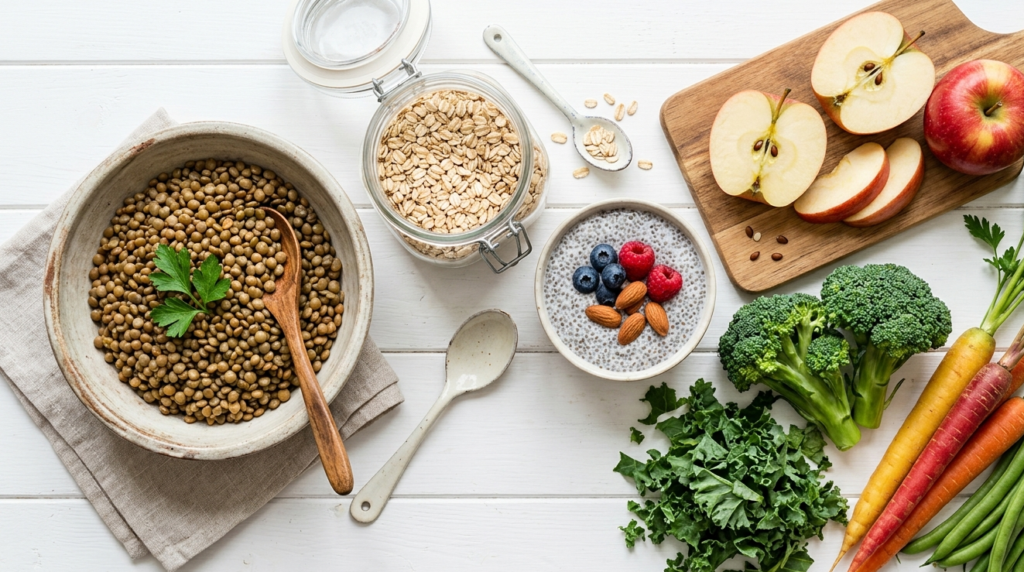
Introduction
High fiber foods for constipation are one of the most effective, natural, and affordable solutions recommended by gastroenterologists around the world. If you have been struggling with infrequent, painful, or difficult bowel movements, the food you eat every day plays a bigger role than most people realise.
Constipation affects up to 16% of adults globally. In India, poor dietary habits, low water intake, and a shift away from traditional high-fiber foods have made it increasingly common. The good news? Many of the best natural remedies are probably already sitting in your kitchen.
This guide covers everything you need — from how fiber works in your gut, to a complete chart of the best high fiber foods for constipation, an Indian-friendly meal plan, and practical tips that get results fast.
1. What Is Constipation?
Constipation is defined medically as having fewer than three bowel movements per week. But it is more than just infrequency. Common signs of constipation include:
- Hard, dry, or lumpy stools
- Straining during bowel movements
- A feeling that the bowel is not fully emptied
- Bloating and abdominal discomfort
Occasional constipation is common and usually linked to diet, dehydration, or lack of activity. Chronic constipation — lasting more than three months — may require medical attention alongside dietary changes.
2. Why High Fiber Foods Help with Constipation
Fiber is the part of plant foods your body cannot digest. Instead of being broken down in the stomach, it travels through your intestines largely intact. This is exactly why high fiber foods work so well for constipation.
According to Johns Hopkins Medicine, fiber helps relieve constipation in two key ways. First, it adds bulk and weight to your stoolhttps://www.hopkinsmedicine.org/health/wellness-and-prevention/foods-for-constipation. Second, certain types of fiber draw water into the stool, softening it and making it far easier to pass. Fiber also supports a healthy gut microbiome and improves gut motility — the muscular contractions that push food through your digestive system.
University Hospitals gastroenterologist Dr. Vu Nguyen confirms that increasing fiber intake is the first-line dietary treatment for constipation because of its strong benefits, low cost, and minimal side effects.
3. Two Types of Fiber You Need to Know
Not all fiber works in the same way. Understanding the difference helps you choose the right high fiber foods for constipation based on your specific symptoms.
3a. Soluble Fiber
Soluble fiber dissolves in water. In your gut, it forms a thick gel that softens stool and makes bowel movements smoother and more comfortable. Good sources include oats, apples, lentils, and psyllium husk (isabgol).
3b. Insoluble Fiber
Insoluble fiber does not dissolve in water. It adds bulk to your stool and speeds up how quickly waste moves through your intestines. Think of it as a natural broom for your gut. Good sources include whole wheat, fruit and vegetable skins, nuts, and seeds.
Which type is better for constipation?
Both types are helpful. Insoluble fiber tends to work faster because it physically speeds up bowel transit. Soluble fiber is gentler and better tolerated by people with sensitive stomachs or IBS. For most people, a mix of both types — found naturally in high fiber foods like legumes, whole fruits, and vegetables — delivers the best results.
4. Top High Fiber Foods for Constipation (Complete Chart)
Below is a complete chart of the best high fiber foods for constipation, ranked by fiber content per serving. These are all backed by nutritional data from the USDA Food Data Central database.
| Food | Serving Size | Fiber (g) | Type |
| Split peas (cooked) | 1 cup | 16.3g | Soluble + Insoluble |
| Lentils (cooked) | 1 cup | 15.6g | Soluble + Insoluble |
| Black beans (cooked) | 1 cup | 15.0g | Soluble + Insoluble |
| Rajma / Kidney beans | 1 cup | 13.1g | Soluble + Insoluble |
| Chickpeas / Chana | 1 cup | 12.5g | Soluble + Insoluble |
| Chia seeds | 28g (2 tbsp) | 10.0g | Soluble |
| Oats (raw) | 100g | 10.6g | Soluble |
| Avocado | 1 medium | 9.2g | Soluble |
| Raspberries | 1 cup | 8.0g | Insoluble |
| Jowar / Sorghum | 1 cup cooked | 6.0g | Insoluble |
| Apple with skin | 1 medium | 4.4g | Soluble + Insoluble |
| Broccoli (cooked) | 1 cup | 5.1g | Insoluble |
| Pear with skin | 1 medium | 5.5g | Insoluble |
| Brown rice (cooked) | 1 cup | 3.5g | Insoluble |
Most foods in this chart provide both soluble and insoluble fiber, making them well-rounded choices for constipation relief. Legumes like split peas, lentils, and beans consistently rank highest for fiber density per serving.
5. Best High Fiber Indian Foods for Constipation
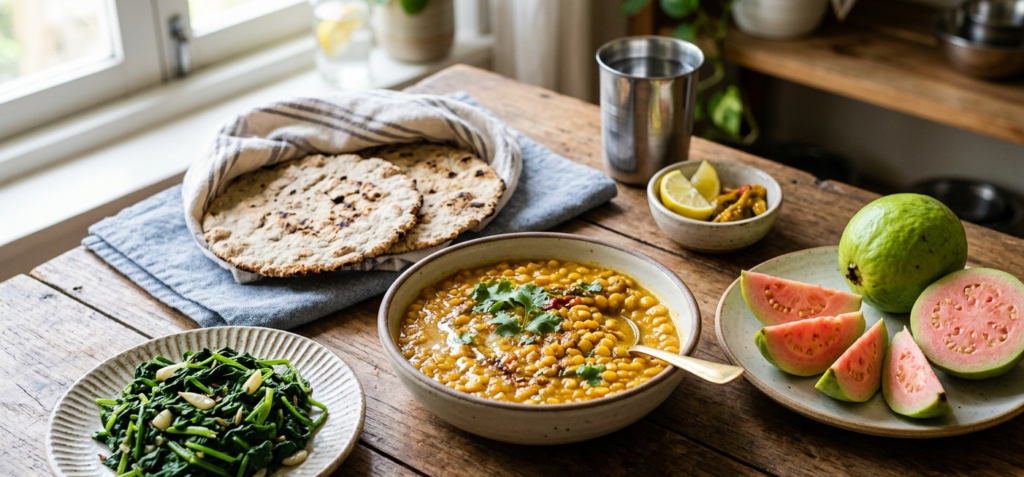
Traditional Indian cuisine is naturally rich in high fiber foods for constipation. If you follow an Indian diet, these are your best everyday options.
5a. Dals and Legumes
Chana dal, moong dal, rajma, and masoor dal are fiber powerhouses. A single bowl of chana dal provides 12-15g of fiber. They are also protein-rich, making them perfect daily staples.
5b. Whole Grains
Jowar (sorghum), bajra (pearl millet), and ragi (finger millet) contain significantly more fiber than polished white rice or refined wheat flour (maida). Replacing even a few rotis per week with jowar or bajra rotis can make a noticeable difference in bowel regularity.
5c. Vegetables
Methi (fenugreek) leaves, spinach, drumstick (moringa), raw banana, and yam are all excellent high fiber Indian vegetables. Karela (bitter gourd) is also worth including — particularly useful for those managing blood sugar alongside constipation.
5d. Fruits
Guava is one of India’s best high fiber fruits — one medium guava contains 5-6g of fiber. Amla (Indian gooseberry) is another great choice that supports gut health. Papaya, while lower in fiber, contains the enzyme papain which actively supports digestion and bowel regularity.
6. Sample One-Day High Fiber Meal Plan for Constipation
Here is a practical, Indian-friendly one-day meal plan built around high fiber foods for constipation. It easily meets or exceeds the recommended daily intake.
| Meal | Food | Fiber |
| Breakfast | Oats + banana + chia seeds + berries | ~8-10g |
| Mid-morning snack | Pear with skin or roasted almonds | ~4-5g |
| Lunch | Chana dal + jowar roti + sabzi | ~9-11g |
| Evening snack | Roasted chana or fresh guava | ~5g |
| Dinner | Rajma curry + brown rice + salad | ~8-10g |
| Daily Total | ~34-41g |
This plan comfortably exceeds the recommended daily intake of 25g for women and 30-38g for men. Always introduce high fiber foods gradually and drink at least 2 litres of water throughout the day.
7. How Much Fiber Do You Need Daily?
The Academy of Nutrition and Dietetics recommends 14g of fiber per 1,000 calories consumed. In practical terms, this means:
- Women: 25g per day
- Men: 30-38g per day
- Children: approximately age + 5g per day
Most Indians consume only 10-15g of fiber daily — well below what their digestive system needs. This shortfall is a leading cause of constipation, bloating, and irregular bowel habits.
If you are currently eating a low-fiber diet How Much Fiber Per Day for Weight Loss: The Complete Science-Backed Guide, do not increase to 30g per day overnight. Add 3-5g of fiber per week and increase your water intake at the same time. This gradual approach prevents the gas and bloating that can otherwise occur.
8. High Fiber Drinks for Constipation
Most drinks are naturally low in fiber because juicing or processing removes the pulp where fiber lives. However, a few beverages genuinely help.
8a. Prune Juice
Prune juice is among the most effective drinks for constipation. It contains about 2.5g of fiber per cup, plus sorbitol — a natural sugar alcohol that draws water into the colon and stimulates a bowel movement. Johns Hopkins Medicine confirms its well-earned reputation for constipation relief.
8b. High Fiber Smoothies
Blending whole fruits preserves all the fiber that juicing destroys. A smoothie with oats, banana, berries, spinach, and chia seeds can deliver 8-12g of fiber per glass — making it one of the easiest ways to hit your daily target.
8c. Isabgol / Psyllium Husk Water
Isabgol mixed in warm water is a classic Indian remedy for constipation with strong scientific backing. The FDA recognises psyllium as an effective fiber supplement for constipation relief. One teaspoon in a large glass of water before bed is a good starting point.
8d. Plain Water
Water is not a high fiber drink — but it is indispensable. Without adequate hydration, fiber can actually make constipation worse by hardening in the colon. Always drink at least 8 glasses (2 litres) daily, and more when consuming a high fiber diet.
9. Tips to Get the Most Out of High Fiber Foods for Constipation
9a. Increase Fiber Slowly
Adding too much fiber too quickly leads to gas, bloating, and cramping. Increase your daily intake by 3-5g per week until you reach your target. Your digestive system will thank you for the gradual transition.
9b. Eat Whole Fruits, Not Juice
A whole apple contains 4.4g of fiber. A glass of apple juice contains less than 0.5g. Always choose the whole fruit. The fiber you lose when juicing is precisely the fiber that relieves constipation.
9c. Keep the Skins On
Much of the insoluble fiber in fruits and vegetables lives in the skin. Eating potatoes, apples, pears, and cucumbers with their skins doubles your fiber from these foods. Wash them thoroughly before eating.
9d. Stay Physically Active
Exercise directly supports gut motility — the muscular contractions that move waste through your intestines. Even a 20-30 minute walk after meals can help stimulate a bowel movement. Staying active is not optional when treating constipation.
9e. Establish a Morning Toilet Routine
Your gut responds well to routine. Try using the toilet at the same time each morning — ideally after breakfast, when gut activity is naturally at its highest. Never ignore the urge when it comes.
10. When Should You See a Doctor?
High fiber foods for constipation work well for most people dealing with occasional or functional constipation. However, see a gastroenterologist immediately if you experience:
- Constipation lasting more than 3 weeks despite dietary changes
- Blood in your stool or unexplained rectal bleeding
- Significant unexplained weight loss
- Severe or worsening abdominal pain
- Constipation accompanied by nausea, vomiting, or fever
These symptoms can indicate IBS, IBD, or in rare cases, colorectal conditions that require proper diagnosis and treatment. A gastroenterologist will run the appropriate tests and create a targeted management plan for you.
11. Frequently Asked Questions (FAQs)
Which food is highest in fiber for constipation?
Split peas and lentils lead the list with 15-16g of fiber per cooked cup. Chia seeds provide 10g per 28g serving, making them one of the most fiber-dense foods by weight. For Indian diets, chana dal and rajma are the most practical everyday options.
How quickly do high fiber foods relieve constipation?
Many people notice improvement within 24-48 hours of increasing their high fiber food intake. For chronic constipation, allow 1-2 weeks of consistent dietary changes for noticeable improvement. Always combine fiber with plenty of water.
Can too much fiber make constipation worse?
Yes. Increasing fiber too quickly, or not drinking enough water alongside it, can actually worsen constipation. Fiber absorbs water in the colon — without adequate hydration, it can make stool harder. Increase fiber gradually and always raise your water intake at the same time.
Are high fiber foods safe for people with IBS?
People with IBS-C (constipation-dominant IBS) generally benefit most from soluble fiber sources such as psyllium, oats, and cooked vegetables. Insoluble fiber from cruciferous vegetables and wheat bran can trigger bloating in some IBS patients. Consult a gastroenterologist or dietitian before making significant changes.
What high fiber Indian foods are best for daily use?
Chana dal, moong dal, jowar roti, guava, and spinach are outstanding everyday high fiber Indian foods for constipation. They are affordable, widely available across India, and fit naturally into traditional meals.
12. Conclusion
High fiber foods for constipation remain one of the most effective, evidence-backed, and natural solutions available to anyone struggling with irregular bowel movements. From lentils, rajma, and jowar to chia seeds, prunes, and guava — the best remedies are simple, affordable, and deeply rooted in traditional Indian food culture.
The key is consistency and patience. Aim for 25-38g of fiber per dayhttps://www.mayoclinic.org/healthy-lifestyle/nutrition-and-healthy-eating/in-depth/fiber/art-20043983, increase your intake gradually, stay well hydrated, keep moving, and give your gut 1-2 weeks to respond. Most people see meaningful relief without needing medication.
If constipation persists despite these changes, or you experience any warning symptoms, see a doctor without delay. Your digestive health is a direct reflection of your overall wellbeing — and it is always worth taking seriously.
Disclaimer: This article is for informational purposes only and does not constitute medical advice. Always consult a qualified healthcare provider for personalised medical guidance.