The health benefits of hibiscus tea have been celebrated across cultures for centuries. From Egyptian pharaohs to West African herbal healers, this ruby-red brew made from the dried calyces of the Hibiscus sabdariffa plant has earned its place as one of the world’s most popular herbal teas — and modern science is finally catching up to explain why.
Whether you are sipping it iced on a hot afternoon or enjoying it warm before bed, hibiscus tea offers far more than a pleasant floral flavour. It is packed with antioxidants, vitamins, and plant compounds that may support your heart, liver, waistline, and more.
In this article, we break down the top health benefits of hibiscus tea, how much you should drink, who should be cautious, and answer the most commonly searched questions about this powerful herbal infusion.
What Is Hibiscus Tea and Where Does It Come From?
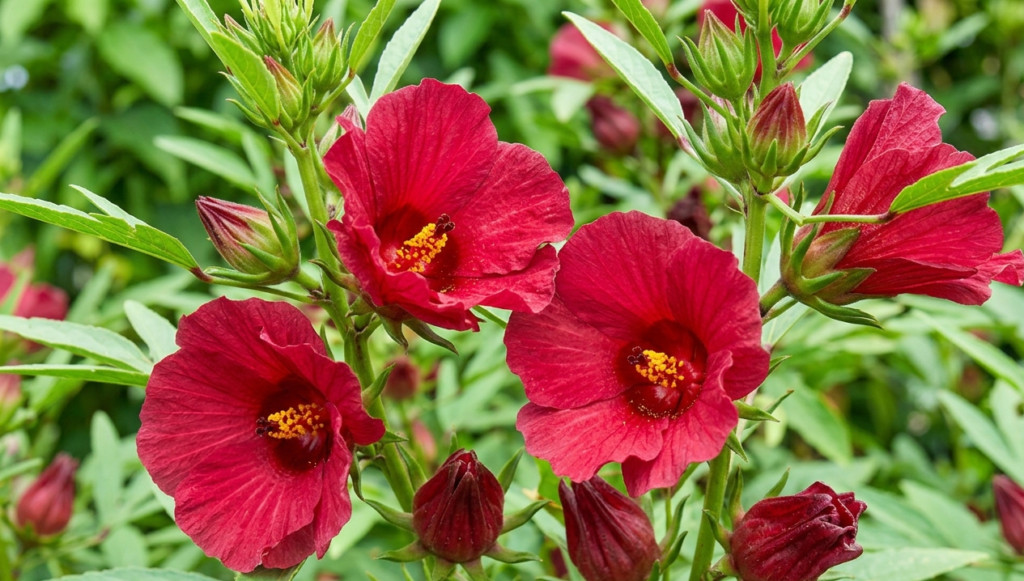
Hibiscus tea is an herbal infusion brewed from the dried flowers — specifically the calyces — of the Hibiscus sabdariffa plant. The calyx is the deep red, fleshy part that cradles the flower’s petals after they bloom. When dried and steeped in hot water, these calyces release a rich, tart, cranberry-like flavour and a striking crimson colour.
The plant is native to Africa but is now cultivated throughout tropical and subtropical regions including Mexico, India, Southeast Asia, and the Caribbean. In Nigeria it is called zobo, in Egypt karkade, and in Jamaica it forms the base of the iconic sorrel drink.
Hibiscus tea is naturally caffeine-free, low in calories, and rich in organic acids, flavonoids, and anthocyanins — the same family of compounds that give blueberries and red wine their health-promoting reputation.
Top 8 Health Benefits of Hibiscus Tea
Let us get into the evidence-backed reasons why adding hibiscus tea to your daily routine may be one of the smartest wellness moves you can make.
1. Hibiscus Tea and Blood Pressure: A Natural Ally
One of the most well-researched health benefits of hibiscus tea is its ability to lower blood pressure. Multiple clinical studies have found that drinking hibiscus tea regularly can produce meaningful reductions in both systolic and diastolic blood pressure.
A 2010 study published in the Journal of Nutrition found that adults with hypertension or pre-hypertensionhttps://www.who.int/news-room/fact-sheets/detail/hypertension who drank three cups of hibiscus tea per day for six weeks experienced a significant drop in systolic blood pressure compared to a placebo group.
Researchers believe this effect is driven by the tea’s anthocyanin content, which acts similarly to ACE inhibitors — a common class of blood pressure medications — by relaxing blood vessels and improving circulation.
If you have elevated blood pressure, hibiscus tea is not a replacement for prescribed medication. But as part of a heart-healthy lifestyle, it can be a meaningful and delicious supplement.
2. It May Help Improve Cholesterol Levels
The health benefits of hibiscus tea extend to your cholesterol profile as well. Some research suggests that regular consumption can raise HDL (good) cholesterol while lowering LDL (bad) cholesterol and triglycerides.
A study in the Journal of Alternative and Complementary Medicine showed that patients with metabolic syndrome who drank hibiscus tea daily for four weeks saw improvements in their lipid profiles. The polyphenols in the tea appear to inhibit the oxidation of LDL particles — a key step in the development of atherosclerosis.
While results across studies have been somewhat mixed, the overall trend is encouraging for anyone looking to support cardiovascular health through diet and lifestyle changes.
3. Exceptional Antioxidant Power
Hibiscus tea is absolutely loaded with antioxidantshttps://medlineplus.gov/antioxidants.html — compounds that neutralise free radicals in the body. Free radicals are unstable molecules that damage cells, accelerate ageing, and contribute to chronic diseases including cancer and heart disease.
The primary antioxidants in hibiscus tea include anthocyanins (which give the tea its red colour), quercetin, chlorogenic acids, and hibiscus acid. Together, these compounds create a formidable shield against oxidative stress.
In laboratory studies, hibiscus extract has shown strong antioxidant activity, sometimes outperforming green tea and certain fruits. While lab results do not always translate directly to human outcomes, the evidence points to hibiscus as a genuinely powerful antioxidant source.
4. Hibiscus Tea and Liver Health
Your liver is your body’s main detoxification organ, and supporting it through diet is one of the best investments you can make in your long-term health. Among the notable health benefits of hibiscus tea is its potential to protect and support liver function.
Animal studies have shown that hibiscus extract can reduce liver damage markers and increase liver antioxidant enzymes. One human study found that people who consumed hibiscus extract for 12 weeks showed improvements in liver steatosis (fatty liver) and liver enzyme levels compared to a control group.
The mechanism appears to involve reducing inflammation and oxidative stress in liver tissue. While more large-scale human trials are needed, the early data is genuinely promising.
5. Can Hibiscus Tea Support Weight Management?
Many people are drawn to the health benefits of hibiscus tea because of its potential role in weight management. The evidence here is modest but worth noting.
Hibiscus contains compounds that may inhibit amylase — an enzyme that breaks down starches and sugars in the digestive tract. By slowing this process, hibiscus could reduce the absorption of carbohydrates, potentially supporting blood sugar control and weight loss efforts.
A 2014 randomised controlled trial in Food and Chemical Toxicology found that hibiscus extract significantly reduced body weight, body mass index (BMI), body fat, and waist-to-hip ratio in overweight participants after 12 weeks of supplementation.
Hibiscus tea is not a magic weight-loss solution, but its low calorie content, natural diuretic properties (which reduce water retention), and potential metabolic effects make it a smart addition to a balanced diet and active lifestyle.
6. Blood Sugar Regulation
Managing blood sugar levels is crucial for preventing type 2 diabetes and maintaining consistent energy throughout the day. Some research suggests that hibiscus tea may help in this area.
A study involving diabetic patients found that drinking hibiscus tea twice a day for one month led to lower levels of fasting blood sugar compared to a black tea control group. The polyphenols in hibiscus may improve insulin sensitivity and reduce the rate at which glucose enters the bloodstream after a meal.
If you have diabetes or are pre-diabetic, this is a particularly relevant health benefit of hibiscus tea — though always consult with your healthcare provider before making changes to your diabetes management routine.
7. Supports the Immune System
Hibiscus tea is a good source of vitamin C — one of the most important nutrients for immune function. Just one cup provides a meaningful contribution to your daily vitamin C needs, depending on the brewing strength and preparation.
Vitamin C stimulates the production and activity of white blood cells, which are your immune system’s front-line defenders. The anti-inflammatory and antibacterial properties of hibiscus compounds also help the body resist and recover from infections more effectively.
Some traditional medicine systems, particularly in parts of Africa and Asia, have long used hibiscus preparations for respiratory infections, fever, and general immune support — a practice that modern research is beginning to validate.
8. Anti-Inflammatory Properties
Chronic inflammation is the silent driver behind many of the most serious modern health conditions, including heart disease, arthritis, Alzheimer’s disease, and certain cancers. One of the most significant health benefits of hibiscus tea is its robust anti-inflammatory activity.
The flavonoids and organic acids in hibiscus have been shown to suppress the production of pro-inflammatory cytokines — signalling molecules that promote inflammation in the body. Regular consumption of hibiscus tea may therefore help keep systemic inflammation in check over time.
While no herbal tea can replace medical treatment for inflammatory conditions, hibiscus tea represents a delicious and easy way to add anti-inflammatory compounds to your daily diet.
How to Brew the Perfect Cup of Hibiscus Tea
Getting the most out of the health benefits of hibiscus tea starts with proper preparation. Here is a simple guide:
- Use 1 to 2 teaspoons of dried hibiscus calyces per 240 ml (8 oz) of water.
- Bring water to a near-boil — around 90 to 95 degrees Celsius (194 to 203°F).
- Steep for 5 to 10 minutes, depending on your desired strength.
- Strain and drink hot, or let cool and serve over ice for a refreshing iced tea.
- Add a squeeze of lemon or a touch of honey to enhance the flavour without adding too many calories.
- Avoid adding milk, as the acidity of hibiscus can cause it to curdle.
For maximum antioxidant content, use whole dried calyces rather than pre-bagged tea. Many health food stores and online retailers carry high-quality dried hibiscus flowers.
How Much Hibiscus Tea Should You Drink Per Day?
Most studies demonstrating the health benefits of hibiscus tea used between two and three cups (480 to 720 ml) per day. This appears to be both safe and effective for most healthy adults.
Drinking more than three to four cups daily is not necessarily better, and consuming very large amounts may increase the risk of side effects, particularly for the liver. Moderation is key.
If you are new to hibiscus tea, start with one cup per day and gradually increase to see how your body responds.
Who Should Be Cautious About Drinking Hibiscus Tea?
While hibiscus tea is safe for most people, a few groups should exercise caution:
Pregnant Women
Hibiscus has traditionally been used to stimulate menstruation, which means it may carry risks during pregnancy. Pregnant women are generally advised to avoid hibiscus tea until more safety data is available.
People on Blood Pressure Medications
Because hibiscus tea can lower blood pressure, drinking it alongside antihypertensive medications may cause blood pressure to drop too low. Speak to your doctor before combining the two.
People Taking Certain Medications
Hibiscus may interact with chloroquine (an antimalarial drug) by reducing its effectiveness. It may also interact with acetaminophen (paracetamol) and some diabetes medications. If you are on prescription medications, check with a healthcare provider before drinking hibiscus tea regularly.
People with Liver Conditions
Although hibiscus appears to be liver-protective in moderate amounts, very high doses have shown potential for liver toxicity in animal studies. Those with existing liver conditions should stick to moderate consumption and consult their doctor.
Hibiscus Tea vs Other Herbal Teas: How Does It Compare?
The health benefits of hibiscus tea make it competitive with some of the most popular herbal and functional teas on the market. Here is a quick comparison:
Hibiscus vs Green Tea: Green tea is richer in catechins and contains caffeine, making it a good option for focus and metabolism. Hibiscus has stronger blood-pressure-lowering effects and is caffeine-free, making it better suited to evening consumption or for people sensitive to stimulants.
Hibiscus vs Chamomile: Chamomile is renowned for its calming, sleep-promoting properties. Hibiscus is more potent in terms of cardiovascular and antioxidant benefits. Both are excellent choices depending on your goals.
Hibiscus vs Rooibos: Rooibos is also caffeine-free and anti-inflammatory but lacks the blood-pressure research behind hibiscus. Rooibos has a sweeter, milder taste while hibiscus is tart and bold.
For all-round cardiovascular support, antioxidant power, and zero caffeine, hibiscus tea stands out as a top-tier choice.
Frequently Asked Questions About the Health Benefits of Hibiscus Tea
Q: What are the main health benefits of hibiscus tea?
A: The main health benefits of hibiscus tea include lowering blood pressure, improving cholesterol levels, providing powerful antioxidants, supporting liver function, aiding weight management, regulating blood sugar, boosting the immune system, and reducing chronic inflammation. These effects are supported by a growing body of scientific research.
Q: Can I drink hibiscus tea every day?
A: Yes, most healthy adults can safely drink two to three cups of hibiscus tea per day. Daily consumption is actually recommended to experience the cardiovascular and antioxidant benefits. However, those with certain medical conditions or on specific medications should consult a healthcare provider first.
Q: Does hibiscus tea help you lose weight?
A: Hibiscus tea may support weight loss as part of a balanced diet and active lifestyle. Research suggests it can inhibit carbohydrate-absorbing enzymes, reduce body fat, and decrease water retention. It is not a standalone weight-loss solution, but it is a smart, low-calorie beverage choice for those managing their weight.
Q: Is hibiscus tea good for the kidneys?
A: Hibiscus tea has mild diuretic properties that can help flush the urinary tract and may reduce the risk of kidney stones. However, because it contains oxalates, people who are prone to calcium oxalate kidney stones should drink it in moderation. Those with chronic kidney disease should speak with their doctor before consuming hibiscus regularly.
Q: Does hibiscus tea lower blood pressure immediately?
A: No, hibiscus tea does not provide an immediate blood pressure drop. Most clinical studies show meaningful results after two to six weeks of consistent daily consumption. It is best viewed as a long-term lifestyle strategy rather than an acute remedy.
Q: Is hibiscus tea safe during pregnancy?
A: Hibiscus tea is generally not recommended during pregnancy. It has traditionally been used to stimulate menstruation, and there are concerns that it could affect hormone levels or cause uterine contractions. Pregnant women should avoid hibiscus tea and consult their healthcare provider about safe herbal options.
Q: Can hibiscus tea interact with medications?
A: Yes, hibiscus tea can interact with certain medications including antihypertensive drugs, diabetes medications, chloroquine, and acetaminophen. It may enhance or reduce the effectiveness of these medications. If you are on any prescription drugs, it is important to speak with your doctor or pharmacist before adding hibiscus tea to your routine.
Q: Does hibiscus tea have caffeine?
A: No, hibiscus tea is completely caffeine-free. This makes it an excellent beverage choice for people who are sensitive to caffeine, those looking for an evening drink, or anyone wanting to reduce their overall caffeine intake without sacrificing a flavourful hot or cold beverage.
Q: What does hibiscus tea taste like?
A: Hibiscus tea has a bold, tart, cranberry-like flavour with floral undertones. It is naturally quite acidic, so many people like to balance it with a small amount of honey, agave, or fruit juice. When served cold, it is remarkably refreshing and very similar in taste to fruit punch or pomegranate juice.
Q: How long does it take to see the health benefits of hibiscus tea?
A: Based on clinical research, most of the significant health benefits of hibiscus tea — particularly blood pressure reduction and cholesterol improvements — become measurable after four to twelve weeks of regular, daily consumption. Minor benefits like improved hydration and antioxidant intake can begin from day one.
Final Thoughts: Is Hibiscus Tea Worth It?
Absolutely. The health benefits of hibiscus tea are backed by a solid and growing body of scientific literature. Whether your goal is to support heart health, manage your weight, boost your antioxidant intake, or simply enjoy a delicious caffeine-free beverage, hibiscus tea delivers.
It is one of the most accessible, affordable, and flavourful functional foods available. You can find dried hibiscus flowers at most international grocery stores, health food shops, or online retailers, and brewing a cup takes less than ten minutes.
As with any dietary addition, consistency is key. Make hibiscus tea part of your daily routine, pair it with a balanced diet and regular physical activity, and give it at least four to six weeks before evaluating its impact on your health.
Your body — and your taste buds — will thank you.
Disclaimer
Medical Disclaimer: The information provided in this article is intended for general informational and educational purposes only. It is not a substitute for professional medical advice, diagnosis, or treatment. Always seek the guidance of your qualified healthcare provider with any questions you may have regarding a medical condition, dietary changes, or supplementation. Never disregard professional medical advice or delay seeking it because of something you have read in this article.
The statements in this blog post have not been evaluated by any national food or drug regulatory authority. Hibiscus tea is not intended to diagnose, treat, cure, or prevent any disease. Individual results may vary. If you are pregnant, nursing, taking medications, or have a diagnosed medical condition, consult your doctor before consuming hibiscus tea or any herbal product.
References are based on publicly available peer-reviewed research at the time of writing. This article was last updated in April 2026 and may not reflect the most current scientific findings. The author and publisher disclaim any liability arising directly or indirectly from the use or application of any information contained in this article.