If you have been feeling exhausted, moody, or just not like yourself lately, your hormones might be trying to tell you something. Foods that increase progesterone naturally are more powerful than most people realize, and the good news is they are probably foods you already enjoy or can easily add to your plate.
Progesterone is one of those hormones that does not get nearly as much attention as estrogen or testosterone, but it quietly plays a massive role in your overall health. It supports your mood, helps you sleep, regulates your cycle, supports pregnancy, and even keeps anxiety in check. When levels drop, you feel it — and not in a subtle way.
Before jumping into prescriptions or supplements, it is worth exploring what nature has already figured out. Your diet is one of the most direct levers you have. In this guide, we are going to walk through the best foods that increase progesterone naturally, why they work, and how to make them part of your everyday life.
Why Progesterone Matters More Than You Think
Progesterone is produced primarily in the ovaries after ovulation, and in smaller amounts by the adrenal glands. It works in balance with estrogen — and when that balance is off, things go sideways fast.
Low progesterone is surprisingly common, and it shows up in all kinds of ways. PMS that feels unbearable, irregular or missing periods, anxiety that comes out of nowhere, difficulty sleeping, and even unexplained weight gain can all point back to a progesterone deficiency. Fertility struggles are also closely tied to low levels.
The encouraging thing is that your body does not just randomly stop making progesterone. Diet, stress, sleep, and environmental factors all play a role. That means the choices you make every day — especially what you eat — can genuinely shift the dial.
How Foods That Increase Progesterone Naturally Actually Work
Here is something worth understanding before we dive into the food list: no food directly contains progesterone (unless it is synthetic and added). What these foods do is support the conditions your body needs to produce progesterone on its own.
They work through a few different pathways. Some foods provide the raw building blocks your body uses to make progesterone. Others support the hormonal signaling that triggers production. And others reduce the stress hormones and environmental estrogens that suppress it. All of these approaches matter, and ideally you want to address all three.
The Role of Cholesterol and Healthy Fats
This surprises people, but progesterone is actually made from cholesterol. That is why extremely low-fat diets can tank your hormone levels. Healthy fats — particularly from whole food sources — are not just good for your heart. They are literally the raw material your body uses to synthesize hormones.
Zinc, Vitamin B6, and Magnesium Connection
These three nutrients keep coming up in progesterone research because they directly support the enzymatic processes behind hormone production. If you are deficient in any of them, your body simply cannot make progesterone as efficiently — no matter how well you sleep or manage stress.
The Best Foods That Increase Progesterone Naturally
Let’s get into the actual food list. These are not obscure superfoods you need to order online — most are in your grocery store right now.
1. Nuts and Seeds — Especially Walnuts, Sunflower Seeds, and Pumpkin Seeds
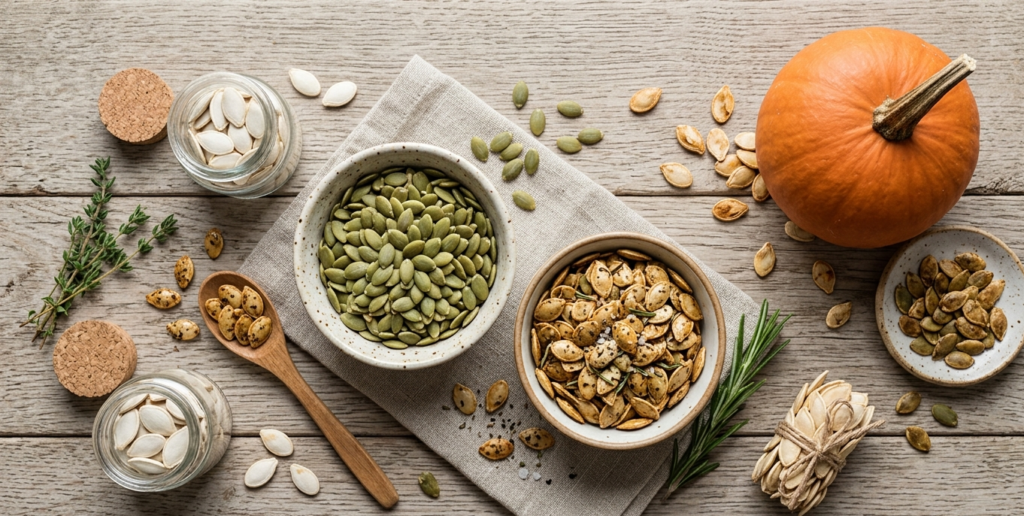
Pumpkin seeds are one of the most consistently recommended foods that increase progesterone naturally, and for good reason. They are packed with zinchttp://pubmed.ncbi.nlm.nih.gov, which plays a direct role in stimulating the production of follicle-stimulating hormone (FSH) — and healthy FSH levels lead to healthy ovulation and, in turn, healthy progesterone production.
Sunflower seeds bring vitamin E and B6 to the table. Vitamin E has been shown in some studies to improve progesterone levels, and B6 is essential for synthesizing the hormone. Walnuts offer omega-3 fatty acids that reduce inflammation and support overall hormonal balance.
- Pumpkin seeds: high in zinc, eat a handful daily
- Sunflower seeds: rich in vitamin E and B6
- Walnuts: omega-3s that support hormone production
2. Dark Leafy Greens — Spinach, Kale, and Swiss Chard
If you had to pick one food category to double down on for hormone health, leafy greens are probably it. They are loaded with magnesium, which supports the adrenal glands and helps regulate cortisol. When cortisol is chronically high (hello, modern life), your body steals the building blocks it would otherwise use for progesterone — a process sometimes called the ‘cortisol steal.’
Magnesium helps break that cycle. Leafy greens also provide folate and iron, both of which support a healthy menstrual cycle and give your body the nutritional foundation it needs for hormone production.
3. Eggs — A Hormone-Friendly Superfood
Eggs deserve their own paragraph because they are genuinely one of the most complete foods that increase progesterone http://medicalnewstoday.com naturally. They contain cholesterol (the good kind, used to make steroid hormones), vitamin D, and B vitamins — all of which support progesterone synthesis.
Do not fear the yolk. That is where most of the hormone-supporting nutrients live. The whole egg is what your body wants. Pasture-raised eggs tend to have higher nutrient density, which is a bonus if you have access to them.
4. Cruciferous Vegetables — Broccoli, Cauliflower, Brussels Sprouts
These vegetables are famous in the hormone health world, and they earn it. Cruciferous vegetables contain a compound called indole-3-carbinol (I3C), which helps the liver metabolize excess estrogen more effectively. This matters because high estrogen relative to progesterone — a state called estrogen dominance — suppresses progesterone levels.
By helping your body clear excess estrogen, cruciferous vegetables indirectly support progesterone balance. Think of them as doing the cleanup work that lets progesterone do its job properly. Aim for two to three servings a week minimum, though daily is even better.
5. Beans and Lentils
Legumes are often overlooked in hormone conversations, but they are quietly excellent. They are rich in zinc and B vitamins, and they provide plant-based protein that stabilizes blood sugar. Blood sugar instability is a serious disruptor of hormone production — spikes and crashes push your adrenals into overdrive, which again circles back to that cortisol problem.
Chickpeas, black beans, lentils, and kidney beans are all solid choices. Even just swapping one meat-based meal a week for a bean-based one can make a meaningful difference over time.
6. Vitamin C-Rich Foods — Bell Peppers, Citrus, Strawberries
This one might surprise you. Vitamin C is one of the nutrients most concentrated in the ovaries, and research has shown that it can help increase progesterone levels in women who are deficient. The corpus luteum — the structure that forms after ovulation and produces progesterone — has a particularly high need for vitamin C.
Red bell peppers actually contain more vitamin C than oranges, which is a fun fact to drop at a dinner party. Other great sources include kiwi, guava, strawberries, and broccoli (which doubles up as a cruciferous benefit too).
7. Wild-Caught Fatty Fish — Salmon, Sardines, Mackerel
Omega-3 fatty acids do a lot of heavy lifting when it comes to hormonal health. They reduce systemic inflammation, support the production of prostaglandins (which regulate the menstrual cycle), and help your cell membranes stay fluid and responsive — meaning your cells can actually use the hormones your body produces.
Fatty fish is one of the richest natural sources of omega-3s. Aim for two to three servings per week. If you do not eat fish, algae-based omega-3 supplements are a solid plant-based alternative.
8. Whole Grains — Brown Rice, Oats, Quinoa
Whole grains support hormone health in a less direct but still important way. They help regulate blood sugar, provide B vitamins, and contain magnesium. Stable blood sugar means your adrenal glands are not constantly firing, which means progesterone production is less likely to be crowded out by stress hormones.
Refined grains have the opposite effect — they cause blood sugar spikes and strip out the B vitamins and magnesium during processing. Swapping white rice for brown, white bread for whole grain, or adding oats to your breakfast makes a meaningful difference.
9. Avocado
Avocado is a hormone Hormone: 7 Proven Ways To Balance health superstar. It provides healthy monounsaturated fats (the building blocks for hormone production), potassium, fiber, and B6. The combination of healthy fats and B6 is particularly relevant for progesterone, since both support different aspects of its synthesis.
It is also one of the most satisfying foods you can eat, which helps keep blood sugar stable between meals. Half an avocado with eggs in the morning is genuinely one of the best hormone-supportive breakfasts you can put together.
10. Turkey and Chicken — Lean Protein Sources
Protein is essential for hormone transport. Hormones are carried through the bloodstream by proteins, so if your protein intake is low, your body may struggle to distribute progesterone effectively even when production is adequate. Turkey and chicken also provide zinc, B6, and amino acids that support neurotransmitter and hormone balance.
Foods to Avoid When You Want to Increase Progesterone Naturally
Knowing what to add is important, but knowing what to pull back on is equally useful. Some foods actively interfere with progesterone production or throw off the estrogen-progesterone balance.
Alcohol
Even moderate alcohol consumption can affect hormone metabolism in the liver, leading to higher circulating estrogen and lower progesterone. If you are actively trying to support your hormonal health, cutting back or cutting out alcohol is one of the highest-leverage changes you can make.
Refined Sugar and Ultra-Processed Foods
Blood sugar chaos is one of the biggest hidden drivers of hormone imbalance. Every time your blood sugar spikes and crashes, your adrenal glands respond with stress hormones — and that competes with progesterone production. Minimizing refined sugar, processed snacks, and fast food gives your hormones a much calmer internal environment to work in.
Excessive Caffeine
A cup or two of coffee is unlikely to be a problem for most people. But if you are relying on caffeine to function all day, the cortisol-boosting effect can work against your progesterone levels. It is worth paying attention to whether your caffeine intake correlates with your cycle symptoms.
Conventional Dairy and Meat with Hormones
Some conventional animal products contain traces of synthetic hormones used in farming, which can add to your body’s hormone load in unpredictable ways. Whenever possible, choosing organic, grass-fed, or hormone-free options is a reasonable step — especially if hormone balance is already a concern.
A Sample Day of Eating to Support Progesterone
You do not need to overhaul your entire diet overnight. Start with one or two swaps and build from there. Here is what a day of hormone-supportive eating might look like:
Breakfast
Two or three eggs (whole, not just whites) scrambled with spinach, served with half an avocado and a slice of whole grain toast. A small glass of fresh orange juice or a kiwi on the side for your vitamin C hit.
Lunch
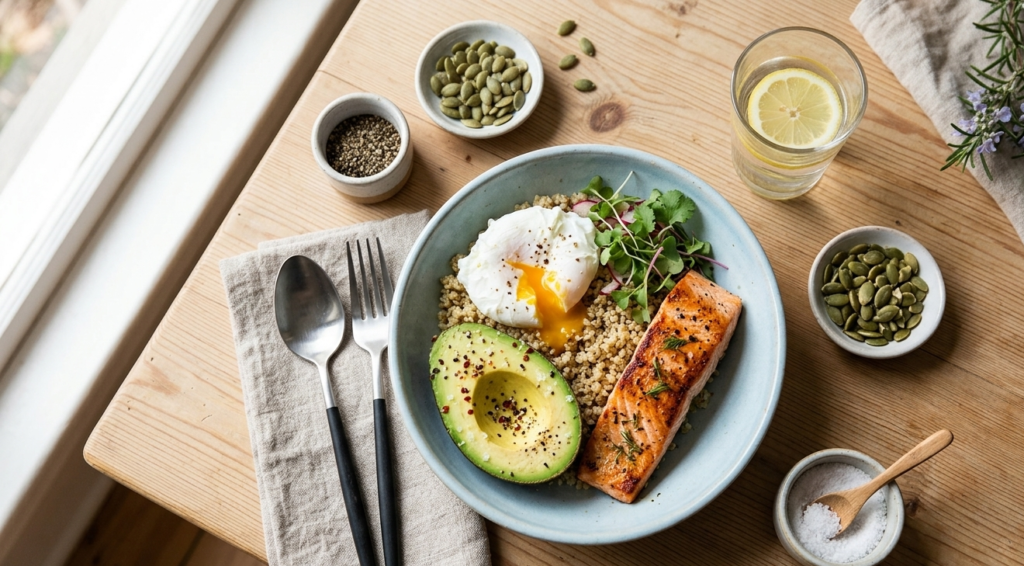
A grain bowl with quinoa, roasted broccoli and cauliflower, chickpeas, and a tahini dressing (tahini is made from sesame seeds, which are rich in zinc and healthy fats). Add some grilled salmon or a hard-boiled egg if you want extra protein.
Snack
A small handful of pumpkin seeds and sunflower seeds, or some apple slices with almond butter. Both options stabilize blood sugar and add zinc or healthy fats.
Dinner
Baked salmon or grilled chicken with a large side salad including kale, red bell pepper, walnuts, and a lemon-olive oil dressing. Add a side of roasted Brussels sprouts or a cup of lentil soup for extra legume goodness.
How Long Does It Take to See Results?
This is the question everyone wants answered, and the honest answer is: it depends. Hormone changes from diet are not overnight fixes. You are working with your body’s natural cycles, and that takes time.
For most people who consistently focus on foods that increase progesterone naturally, noticeable changes in PMS symptoms, mood, and energy tend to start showing up after about two to three menstrual cycles — so roughly two to three months. Some people notice shifts sooner, especially if they were severely deficient in certain nutrients.
The key is consistency. Eating well once a week does not move the needle. Making this your baseline way of eating — not a diet, just how you eat — is where the real results live.
When to Talk to a Doctor
Diet is powerful, but it is not a replacement for medical care when you genuinely need it. If your symptoms are severe — very irregular or absent periods, significant fertility challenges, extreme mood disruption, or signs of PCOS or thyroid issues — please talk to a healthcare provider. A simple blood test can check your progesterone levels and give you a clearer picture of what you are actually dealing with.
Diet works best as part of a broader approach to hormonal health that includes managing stress, getting quality sleep, moving your body regularly, and working with a practitioner who takes your symptoms seriously. Think of these foods that increase progesterone naturally as your daily foundation, not a cure-all.
Final Thoughts
Hormonal health does not have to feel complicated or overwhelming. You do not need a cabinet full of supplements or a complicated protocol to start making a difference. Focusing on foods that increase progesterone naturally is one of the most sustainable, grounded approaches to supporting your body from the inside out.
Start with what feels most accessible. Add pumpkin seeds to your morning yogurt. Throw some leafy greens into lunch. Swap the afternoon biscuit for a small handful of walnuts. These are small changes that compound over time into real, measurable results.
Your body is constantly working to maintain balance. Give it the right raw materials, and you might be surprised what it can do.
Note: This article is for informational purposes only and does not constitute medical advice. Always consult a qualified healthcare professional before making significant changes to your diet or treating a hormonal condition.
Frequently Asked Questions (FAQ)
The following FAQ section is structured for Rank Math FAQ Block / Schema Markup.
Q1: What are the best foods that increase progesterone naturally?
The best foods that increase progesterone naturally include pumpkin seeds, eggs, dark leafy greens like spinach and kale, avocado, wild-caught fatty fish such as salmon, cruciferous vegetables like broccoli and Brussels sprouts, beans and lentils, whole grains, vitamin C-rich foods like red bell peppers, and lean proteins like turkey and chicken. These foods work by providing key nutrients — zinc, magnesium, vitamin B6, vitamin C, and healthy fats — that your body needs to produce progesterone on its own.
Q2: How quickly can diet changes increase progesterone levels?
Diet changes are not an overnight fix. Most women who consistently focus on foods that increase progesterone naturally begin to notice improvements in PMS symptoms, mood, sleep, and cycle regularity after about two to three menstrual cycles, which is roughly two to three months. Nutrient deficiencies (particularly zinc, magnesium, and B6) can be corrected faster — sometimes within four to six weeks — but hormonal shifts in the broader cycle take longer to reflect. Consistency is the most important factor.
Q3: Can men also benefit from foods that increase progesterone naturally?
Yes — progesterone is not exclusively a female hormone. Men produce small amounts of progesterone in the adrenal glands and testes, where it plays a role in testosterone production, libido, mood, and prostate health. Men with low progesterone may experience fatigue, low libido, mood changes, or weight gain around the abdomen. Eating foods that support progesterone production — such as zinc-rich seeds, healthy fats, and leafy greens — can benefit men’s hormonal health as well.
Q4: Does stress affect progesterone levels even with a good diet?
Absolutely, and this is one of the most commonly overlooked factors. Chronic stress causes the body to produce excess cortisol, and since cortisol and progesterone share the same hormonal building block (pregnenolone), the body tends to prioritize cortisol production during stressful periods. This is sometimes called ‘pregnenolone steal’ or the ‘cortisol steal.’ No matter how well you eat, unmanaged chronic stress can significantly suppress progesterone levels. Diet is one pillar of hormonal health — stress management, quality sleep, and regular movement are equally important.
Q5: Are there any supplements that work alongside foods that increase progesterone naturally?
Several supplements can complement a hormone-supportive diet. Vitex (chaste tree berry) is one of the most researched herbal supplements for supporting progesterone levels and reducing PMS symptoms. Vitamin B6, magnesium glycinate, zinc, and vitamin C supplements can help address specific deficiencies. Vitamin D (especially important if you have limited sun exposure) also plays a role in hormone regulation. That said, supplements work best as a complement to a nutrient-rich diet, not a replacement. Always consult a healthcare provider before starting any new supplement, particularly if you have a diagnosed hormonal condition.
Q6: What foods should I avoid to keep progesterone levels healthy?
To support healthy progesterone levels, it helps to limit or avoid: alcohol (which disrupts liver hormone metabolism and increases estrogen), refined sugar and ultra-processed foods (which cause blood sugar instability and elevate cortisol), excessive caffeine (which stimulates cortisol and adrenal stress), and conventional dairy or meat products that may contain synthetic hormones. Soy in very large quantities has also been debated due to its phytoestrogen content, though moderate whole soy food consumption appears to be safe for most people. The general rule is: the closer your diet is to whole, minimally processed foods, the better your hormonal environment will be.
Q7: Can low progesterone affect my ability to get pregnant?
Yes. Progesterone is essential for preparing the uterine lining for implantation and maintaining early pregnancy. When progesterone levels are too low after ovulation (a condition called luteal phase defect), the uterine lining may not develop adequately, making it harder for a fertilized egg to implant and stay. Women experiencing recurrent miscarriages or difficulty conceiving are often tested for progesterone levels. Focusing on foods that increase progesterone naturally can be a supportive dietary strategy, but if you are actively trying to conceive and suspect low progesterone, working with a reproductive endocrinologist or OB-GYN is strongly recommended.
Q8: Is it possible to have progesterone levels that are too high from diet alone?
It is extremely unlikely to raise progesterone to problematic levels through diet alone, since food only supports your body’s own production — it does not directly add progesterone to your bloodstream (unlike progesterone creams or medications). The risk of overly high progesterone is almost exclusively associated with progesterone supplementation or hormone therapy, not dietary changes. Eating foods that increase progesterone naturally simply gives your body better tools to maintain its own balance, which is a self-regulating process.