
Introduction
Reasons for hormonal imbalance in females are more common than most people realize and yet, so many women spend years not knowing why they feel the way they do.
Fatigue that no amount of sleep can fix. Weight that creeps up without any change in diet. Moods that swing wildly before your period. Skin that breaks out like you’re a teenager again. If any of this sounds familiar, there is a good chance your hormones are trying to tell you something.
Hormones are chemical messengers that travel through your bloodstream and control nearly every function in your body your metabolism, sleep cycle, fertility, mood, libido, and even how your skin looks. When even one hormone goes out of balance, it creates a chain reaction throughout your entire system.
This guide breaks down the most important and well-researched reasons for hormonal imbalance in females, explains what is happening in your body, and tells you what signs to watch for. Think of this as your go-to reference a pillar guide that gives you real answers.
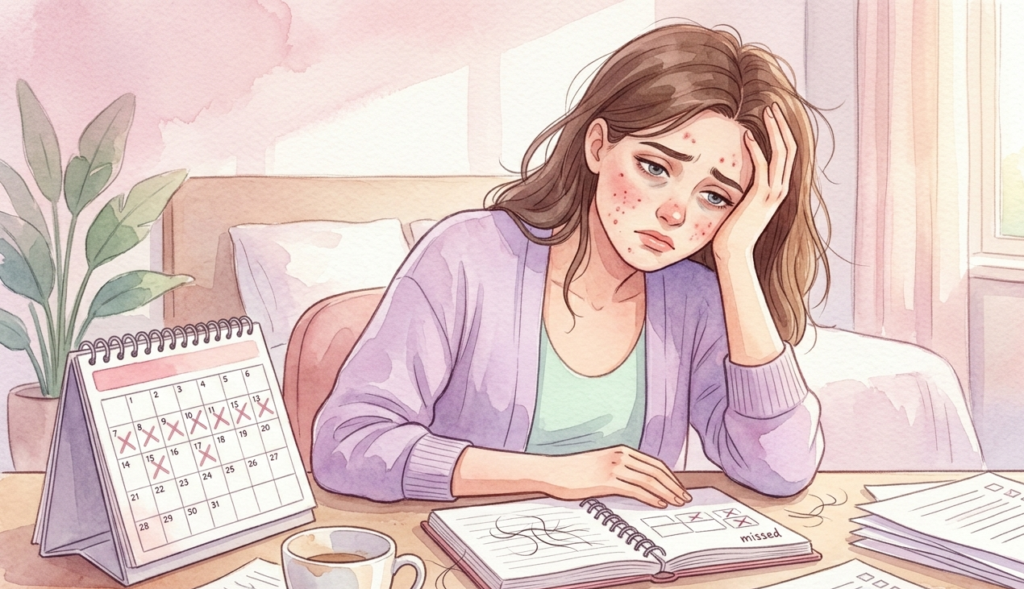
What Is Hormonal Imbalance in Females?
Before we talk about the reasons for hormonal imbalance in females, it helps to understand what “imbalance” actually means.
Your body produces over 50 types of hormones. The major ones that directly affect female health include estrogen, progesterone, testosterone, cortisol, insulin, thyroid hormones (T3 and T4), and melatonin. Each of these works within a very precise range. When levels go too high or too low even slightly your body sends out distress signals.
Hormonal imbalance is not a single disease. It is a condition that can be triggered by many different causes, which is exactly why identifying the root reasons for hormonal imbalance in females is so important.
Top Reasons for Hormonal Imbalance in Females
1. Polycystic Ovary Syndrome (PCOS)
PCOS is one of the most talked-about reasons for hormonal imbalance in females, and for good reason. It affects approximately 1 in 10 women of reproductive age worldwide.
In PCOS, the ovaries produce excess androgens (male hormones like testosterone). This disrupts the normal menstrual cycle and can prevent regular ovulation. The result is a hormonal environment where estrogen and progesterone ratios are off, insulin resistance often develops, and symptoms like irregular periods, excess facial hair, acne, and weight gain appear.PCOS Diet Chart: The Complete Guide to Eating Right for Hormonal Balance
PCOS is not just a reproductive condition. It affects metabolism, mental health, and long-term cardiovascular risk. Many women with PCOS do not even know they have it until they struggle to conceive.
2. Chronic Stress and High Cortisol Levels
Stress is one of the most underestimated reasons for hormonal imbalance in females in modern life.
When you are stressed whether from work, relationships, financial pressure, or even over-exercising your adrenal glands pump out cortisol, your body’s primary stress hormone. Short bursts of cortisol are healthy and necessary. But chronic, unrelenting stress keeps cortisol elevated for long periods.https://www.mayoclinic.org/healthy-lifestyle/stress-management/in-depth/stress/art-20046037
High cortisol does real damage. It suppresses progesterone production. It disrupts the hypothalamic-pituitary-adrenal (HPA) axis, which is essentially the control center for all your other hormones. It interferes with thyroid function and worsens insulin sensitivity.
Women often describe this as “adrenal fatigue” exhaustion, brain fog, poor sleep, and an inability to recover from daily demands.
3. Thyroid Disorders
The thyroid gland sits at the base of your throat and controls your body’s metabolic rate. Thyroid disorders particularly hypothyroidism (underactive thyroid) are among the leading reasons for hormonal imbalance in females.
Women are 5 to 8 times more likely than men to develop thyroid disorders. When the thyroid produces too little thyroid hormone, every system slows down. You gain weight without explanation. You feel cold all the time. Hair thins. Periods become irregular or heavier. Depression and anxiety deepen.
Hyperthyroidism (overactive thyroid) causes the opposite racing heart, weight loss, anxiety, and irregular periods. Both conditions create widespread hormonal disruption and need medical attention.
4. Poor Diet and Nutritional Deficiencies
What you eat directly impacts your hormonal health, making diet one of the most modifiable reasons for hormonal imbalance in females.
A diet high in processed foods, refined sugars, and industrial seed oils creates insulin spikes, promotes inflammation, and disrupts estrogen metabolism. A lack of healthy fats which are the raw material for building hormones like estrogen, progesterone, and cortisol leaves the body unable to produce these hormones in adequate amounts.
Key nutrients that directly affect female hormonal balance include magnesium, zinc, vitamin D, vitamin B6, omega-3 fatty acids, and iodine. Deficiencies in any of these are commonly found in women with hormonal imbalance.
Crash diets and very low-calorie eating are also a major trigger. When caloric intake drops too low, the body interprets this as a famine and shuts down non-essential functions including reproduction and balanced hormone production.
5. Excess Body Fat or Being Underweight
Both extremes of body weight contribute to the reasons for hormonal imbalance in females, though through different mechanisms.
Excess body fat particularly visceral fat (around the abdomen) acts as its own endocrine organ. It converts androgens into estrogen through a process called aromatization, leading to estrogen dominance. This can cause heavy, irregular periods, fibroids, endometriosis, and increased cancer risk.
On the other end, being significantly underweight or having very low body fat (as seen in extreme athletes or women with eating disorders) tells the brain to stop producing reproductive hormones. Periods stop a condition called hypothalamic amenorrhea because the body does not have enough energy to support pregnancy.
6. Perimenopause and Menopause
The natural hormonal transition of perimenopause and menopause is one of the most significant reasons for hormonal imbalance in females across a lifetime.
Perimenopause typically begins in the late 30s to mid-40s. During this phase, estrogen and progesterone levels fluctuate wildly before eventually declining. Women experience hot flashes, night sweats, mood instability, vaginal dryness, sleep disruption, and brain fog.
Menopause defined as 12 consecutive months without a period marks the end of estrogen and progesterone production by the ovaries. The hormonal shift is dramatic and affects nearly every body system.
This is a natural process, but it absolutely qualifies as a major hormonal imbalance with real symptoms that deserve real attention and care.
7. Insulin Resistance and Blood Sugar Dysregulation
Insulin resistance is both a cause and a consequence of hormonal imbalance and it is one of the most commonly overlooked reasons for hormonal imbalance in females.
When cells stop responding properly to insulin, the pancreas produces more and more of it. Elevated insulin disrupts ovarian function, raises androgen levels, and worsens PCOS. It also promotes inflammation and fat storage, particularly around the belly.
Blood sugar swings the peaks and crashes that come from eating a sugar-heavy diet keep insulin levels unstable throughout the day and night. Over time, this erodes overall hormonal health significantly.
8. Exposure to Endocrine-Disrupting Chemicals (EDCs)
This is a reason many women have never heard of, but it is increasingly recognized by researchers as one of the most impactful modern reasons for hormonal imbalance in females.
Endocrine disruptors are synthetic chemicals that mimic or interfere with your body’s natural hormones. They are found in plastics (BPA and phthalates), pesticides, non-stick cookware, cosmetics, synthetic fragrances, food packaging, and even tap water in some areas.
Xenoestrogens estrogen-like chemicals from these products bind to estrogen receptors in the body and create estrogen dominance effects. This has been linked to early puberty, endometriosis, fibroids, fertility problems, and hormonal cancers.
Reducing exposure is not always easy, but it is actionable with knowledge.How to Control Hormonal Imbalance in Females
9. Sleep Deprivation
Not sleeping enough is a seriously undervalued reason for hormonal imbalance in females. Most hormonal regulation including growth hormone, cortisol, and reproductive hormones happens during sleep.https://www.sleepfoundation.org/women-sleep/hormones-and-sleep
Chronic poor sleep raises cortisol, lowers progesterone, disrupts thyroid function, impairs insulin sensitivity, and reduces leptin (the hormone that tells your brain you are full). The result is weight gain, mood disruption, menstrual irregularity, and fatigue.
Studies consistently show that even a few nights of poor sleep can significantly alter hormone levels in women.
10. Autoimmune Conditions
Women are disproportionately affected by autoimmune diseases conditions where the immune system attacks the body’s own tissues. Many of these directly target hormonal glands, making autoimmune disease one of the more serious reasons for hormonal imbalance in females.
Hashimoto’s thyroiditis attacks the thyroid and is the most common cause of hypothyroidism in women. Type 1 diabetes destroys insulin-producing cells. Adrenal insufficiency can follow autoimmune attacks on the adrenal glands.
These conditions require medical diagnosis and management, but they illustrate just how interconnected the immune system and hormonal system truly are.
11. Certain Medications
Some medications directly alter hormonal balance as a side effect. This includes certain antidepressants, corticosteroids, antipsychotics, and even some blood pressure drugs.
Hormonal contraceptives birth control pills, patches, implants, and injections are perhaps the most widely used medications that alter hormone levels in females. While these are often prescribed to manage hormonal symptoms, they can also create new imbalances in some women, particularly after discontinuation.
It is worth discussing any medication’s hormonal effects with your doctor, especially if you notice changes in mood, libido, menstrual cycle, or weight.Natural Remedies for Hormonal Imbalance in Females: A Complete Guide That Actually Works
Common Symptoms of Hormonal Imbalance in Females
Identifying the reasons for hormonal imbalance in females means also recognizing the signs. The most common symptoms include irregular or missed periods, unexplained weight gain or loss, persistent fatigue, adult acne or skin changes, hair thinning or excess body hair, low libido, depression and anxiety, brain fog, poor sleep, bloating, hot flashes, and night sweats.
Many of these symptoms overlap with other conditions, which is why proper testing is essential.
How Is Hormonal Imbalance Diagnosed?
A doctor will typically begin with a thorough history of symptoms and lifestyle. Blood tests are the most common method and can check levels of FSH, LH, estrogen, progesterone, testosterone, cortisol, TSH, T3, T4, and fasting insulin.
Depending on symptoms, ultrasounds (to check for PCOS or fibroids), saliva testing, or urine hormone panels may also be recommended.
What Can You Do About It?
Once you understand the reasons for hormonal imbalance in females, you can take targeted steps:
Prioritize sleep aim for 7 to 9 hours of quality sleep each night. Manage stress through consistent practices like meditation, breathwork, gentle yoga, or time in nature. Eat whole, nutrient-dense foods with adequate healthy fats and protein.
Reduce exposure to endocrine-disrupting chemicals by choosing glass over plastic and switching to cleaner personal care products. Exercise regularly but avoid chronic overtraining. Work with a qualified healthcare provider to test and treat any underlying conditions like PCOS, thyroid disorders, or insulin resistance.
Lifestyle changes alone can make a significant difference for many women, especially when the hormonal imbalance is caught early.
Rank Math FAQ Section
Q1: What are the most common reasons for hormonal imbalance in females?
The most common reasons include PCOS, chronic stress, thyroid disorders, poor diet, insulin resistance, sleep deprivation, excess or insufficient body weight, perimenopause/menopause, endocrine-disrupting chemical exposure, and autoimmune conditions.
Q2: Can stress alone cause hormonal imbalance in females?
Yes. Chronic stress raises cortisol levels, which suppresses progesterone, disrupts the thyroid, and worsens insulin sensitivity. Stress is one of the most underrecognized drivers of hormonal imbalance in women today.
Q3: What foods cause hormonal imbalance in females?
Processed foods, refined sugars, industrial seed oils, excess alcohol, and foods high in xenoestrogens (like non-organic soy in large amounts) are common dietary culprits. A nutrient-poor diet lacking in magnesium, zinc, vitamin D, and healthy fats also contributes significantly.
Q4: Can hormonal imbalance in females go away on its own?
Some hormonal shifts such as those related to the menstrual cycle or minor lifestyle-induced changes may self-correct. However, conditions like PCOS, thyroid disorders, or autoimmune issues require medical evaluation and management. Ignoring symptoms is never advisable.
Q5: What is the fastest way to fix hormonal imbalance in females naturally?
There is no instant fix, but the most impactful natural steps include improving sleep quality, reducing chronic stress, eliminating processed foods, balancing blood sugar, reducing exposure to endocrine disruptors, and exercising consistently. These changes can show measurable effects within 4 to 12 weeks for many women.
Q6: How do I know if I have a hormonal imbalance?
Common signs include irregular periods, unexplained weight changes, fatigue, mood swings, adult acne, hair thinning, low libido, and poor sleep. A blood test ordered by your doctor is the most reliable way to confirm a hormonal imbalance.
Q7: Is hormonal imbalance in females related to age?
Yes, age is a significant factor. Hormonal fluctuations are common during puberty, the reproductive years, perimenopause, and menopause. However, hormonal imbalance can occur at any age and is not exclusive to older women.
References
- Azziz, R., et al. (2016). Polycystic Ovary Syndrome. Nature Reviews Disease Primers, 2, 16057.
- Chrousos, G. P. (2009). Stress and disorders of the stress system. Nature Reviews Endocrinology, 5(7), 374–381.
- Pearce, E. N., et al. (2013). Thyroid disorders in women. The Lancet, 383(9911), 1321–1332.
- Gore, A. C., et al. (2015). EDC-2: The Endocrine Society’s Second Scientific Statement on Endocrine-Disrupting Chemicals. Endocrine Reviews, 36(6), E1–E150.
- Leproult, R., & Van Cauter, E. (2010). Role of sleep and sleep loss in hormonal release and metabolism. Endocrine Development, 17, 11–21.
- World Health Organization. (2023). Polycystic Ovary Syndrome — Key Facts. who.int
- Harvard T.H. Chan School of Public Health. (2022). The Nutrition Source: Hormones and Diet. hsph.harvard.edu
- Endocrine Society. (2023). Hormonal imbalance in women: Causes, symptoms and treatment. endocrine.org
Disclaimer
The information provided in this article is for educational and informational purposes only. It is not intended to serve as medical advice, diagnosis, or treatment.
Always consult a qualified healthcare professional or licensed medical practitioner before making any changes to your health regimen, starting new supplements, or discontinuing any medication.
The author and publisher of this content are not responsible for any adverse effects or consequences resulting from the use of suggestions or information contained in this article. Individual health conditions vary, and only a trained medical professional can assess and treat your specific situation.