
How to increase sperm motility is one of the most searched questions among men dealing with fertility challenges. Sperm motility refers to the ability of sperm to move efficiently a factor directly linked to the chances of fertilization.
Low sperm motility, also called asthenozoospermia, affects approximately 1 in 5 men experiencing infertility. The good news is that motility can often be improved with the right dietary, lifestyle, and supplement interventions.
This guide covers everything you need to know from what causes poor motility to the most effective natural strategies backed by research.
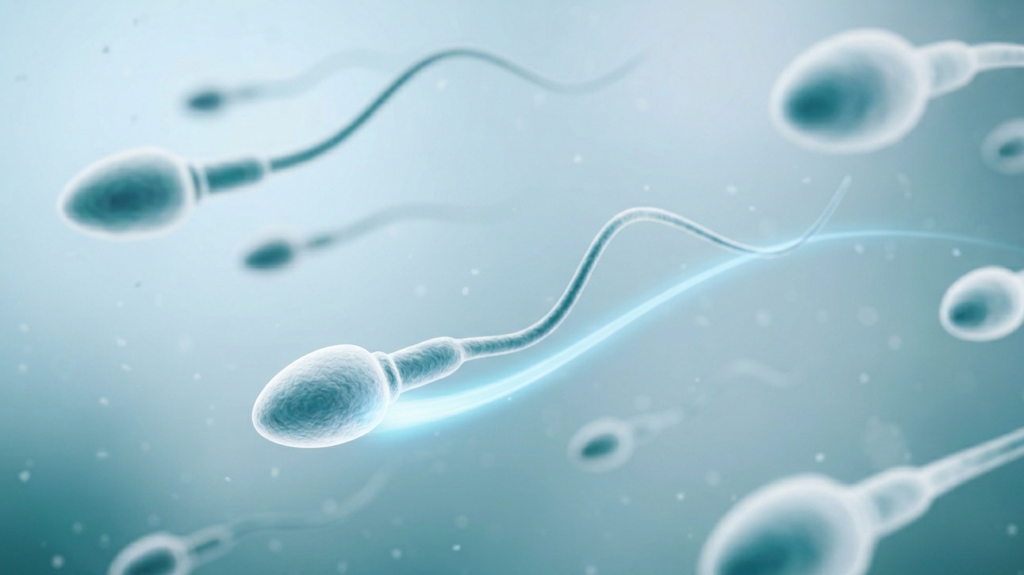
What Is Sperm Motility and Why Does It Matter?
Sperm motility is the percentage of sperm in a semen sample that are actively moving. The World Health Organization (WHO) considers at least 40% total motility and 32% progressive motility as the normal reference range.
There are two main types:
- Progressive motility – Sperm moving forward in a straight or large curved line
- Non-progressive motility – Sperm moving but not in a forward direction
Only progressively motile sperm can reach and fertilize an egg. This is why learning how to increase sperm motility naturally is critical for couples trying to conceive.
What Causes Low Sperm Motility?
Before improving motility, it helps to understand the common causes:
- Oxidative stress – Free radicals damage sperm DNA and membranes
- Hormonal imbalances – Low testosterone or high estrogen affects sperm production
- Varicocele – Enlarged veins in the scrotum overheat sperm-producing tissue
- Nutritional deficiencies – Low levels of zinc, folate, selenium, and vitamin C
- Lifestyle factors – Smoking, alcohol, obesity, and sedentary behavior
- Heat exposure – Laptops on the lap, hot baths, tight underwear
- Infections or STIs – Can directly impair sperm function
Identifying your root cause helps you target the right strategies when figuring out how to increase sperm motility effectively.
How to Increase Sperm Motility: Top Natural Strategies
1. Optimize Your Diet for Sperm Health
Diet plays a central role in sperm quality. A diet rich in antioxidants, healthy fats, and micronutrients directly supports sperm motility.https://www.ncbi.nlm.nih.gov/pmc/articles/PMC10309783/
Foods that support motility:
- Walnuts – Rich in omega-3 fatty acids that improve sperm membrane fluidity
- Dark leafy greens – High in folate, which supports sperm DNA integrity
- Tomatoes – Contain lycopene, a powerful antioxidant for sperm
- Eggs – Provide vitamin E and protein essential for sperm cell structure
- Pomegranate juice – Shown in studies to reduce oxidative stress in sperm
- Fatty fish (salmon, sardines) – Excellent source of DHA for sperm tail development
Foods to avoid:
- Processed meats
- Trans fats and fried foods
- Excess sugar and refined carbohydrates
- Soy-based products in large quantities (phytoestrogens)
A certified nutritionist would recommend following a Mediterranean-style diet as one of the most practical approaches to how to increase sperm motility through foodFood to Increase Sperm Count: 15 Best Foods for Male Fertility.
2. Take Evidence-Based Supplements
Several supplements have strong clinical evidence supporting sperm motility improvement.
Coenzyme Q10 (CoQ10)
CoQ10 is a natural antioxidant found in high concentrations in sperm. Multiple clinical trials show that supplementing 200–400 mg/day significantly improves both motility and sperm count.How to Increase Sperm Count Naturally: 12 Proven Nutrition Strategies
Zinc
Zinc is essential for sperm formation and motility. Deficiency is directly linked to poor motility and reduced testosterone. The recommended daily intake is 11 mg, but therapeutic doses of 25–45 mg/day are used under supervision.https://pubmed.ncbi.nlm.nih.gov/19091331/
Vitamin C and Vitamin E
This antioxidant duo combats oxidative stress the number one enemy of sperm motility. Studies show that men taking both vitamins together show measurable improvement in progressive motility within 3 months.
L-Carnitine
L-carnitine is critical for sperm energy metabolism. Sperm require large amounts of cellular energy (ATP) to swim, and carnitine fuels that process. Typical doses range from 1,000–3,000 mg/day.
Selenium and Folate
Selenium protects sperm from oxidative damage and is involved in the structural development of the sperm tail. Folate (vitamin B9) supports DNA synthesis in sperm cells. A combination of selenium (200 mcg) + folic acid (5 mg) has shown significant motility gains in clinical research.
Always consult a certified nutritionist or healthcare provider before starting a supplement regimen.
3. Exercise Regularly — But Not Excessively
Moderate physical activity boosts testosterone, reduces oxidative stress, and improves overall metabolic health — all of which contribute to better sperm motility.
Best exercises for sperm motility:
- Brisk walking (30 minutes/day)
- Resistance training (3x per week)
- Cycling (with caution — use padded shorts and limit long rides)
- Yoga and stretching for stress reduction
Avoid excessive endurance training or anabolic steroids both are known to suppress sperm production and motility.
4. Maintain a Healthy Weight
Obesity is closely linked to low sperm motility. Excess body fat raises estrogen levels and reduces testosterone, creating a hormonal environment unfavorable for sperm production.
Even a 5–10% reduction in body weight can result in measurable improvements in semen parameters, including motility.
5. Reduce Scrotal Heat Exposure
Sperm production requires temperatures 2–4°C lower than core body temperature. Chronic heat exposure is a well-documented cause of reduced sperm motility.
Practical tips to reduce heat exposure:
- Avoid hot tubs and long hot baths
- Wear loose-fitting, breathable underwear (boxers over briefs)
- Don’t place laptops directly on your lap
- Take breaks when seated for long periods
This simple step is often overlooked when men research how to increase sperm motility but can yield measurable results within 3 months.
6. Quit Smoking and Limit Alcohol
Cigarette smoke introduces thousands of free radicals into the bloodstream, directly damaging sperm DNA and reducing motility. Studies consistently show that smokers have significantly lower progressive motility than non-smokers.
Alcohol, especially in heavy amounts, lowers testosterone and increases oxidative stress. Limiting intake to no more than 2 standard drinks per day or eliminating alcohol altogether is strongly recommended.
7. Manage Stress Effectively
Chronic stress elevates cortisol, which suppresses testosterone and disrupts the hormonal cascade necessary for healthy sperm production.
Effective stress management techniques:
- Mindfulness meditation (10–20 minutes/day)
- Adequate sleep (7–9 hours per night)
- Journaling
- Spending time in nature
- Therapy or counseling when needed
Cortisol reduction is a critical but underappreciated element of any plan for how to increase sperm motility long-term.
8. Get Adequate Sleep
Sleep is when testosterone production peaks. Men who consistently sleep less than 6 hours per night show significantly lower testosterone and worse semen parameters.
Aim for 7–9 hours of uninterrupted sleep in a cool, dark room.
9. Limit Environmental Toxin Exposure
Environmental toxins including pesticides, heavy metals, BPA (found in plastics), and phthalates are known endocrine disruptors that reduce sperm motility.
How to minimize exposure:
- Choose organic produce when possible
- Use glass or stainless-steel water bottles
- Avoid heating food in plastic containers
- Use natural personal care and cleaning products
- Wear protective gear if working in agriculture, painting, or manufacturing
H2: 10. Consider Medical Evaluation
If lifestyle and dietary changes don’t improve motility after 3–6 months, it’s time to consult a urologist or reproductive endocrinologist.
Medical treatments that may help include:
- Varicocele repair (surgery or embolization)
- Hormone therapy for testosterone deficiency
- Antibiotic treatment for underlying infections
- Antioxidant infusion therapy in clinical settings
- ART (Assisted Reproductive Technology) such as IUI or ICSI for severe cases
How Long Does It Take to Improve Sperm Motility?
Sperm take approximately 74 days (about 2.5 months) to fully mature a process called spermatogenesis. This means any lifestyle or dietary changes you make today will reflect in your semen analysis after about 3 months.
Consistency is key. Most studies on how to increase sperm motility show significant improvements after 3–6 months of sustained intervention.
Frequently Asked Questions (FAQ Schema)
Q: Can sperm motility be improved naturally? A: Yes. Diet, exercise, supplements, stress management, and reduced heat exposure have all been shown to improve sperm motility naturally within 3–6 months.
Q: What foods increase sperm motility fast? A: Walnuts, tomatoes, leafy greens, eggs, pomegranate juice, and fatty fish are among the best foods to support sperm motility.
Q: What vitamins improve sperm motility? A: CoQ10, zinc, vitamin C, vitamin E, selenium, L-carnitine, and folate are the most clinically supported supplements for improving sperm motility.
Q: How can I check my sperm motility? A: A semen analysis (SA) performed at a fertility clinic or urology center will measure motility, count, morphology, and other parameters.
Q: Does exercise increase sperm motility? A: Moderate exercise especially resistance training and brisk walking is associated with improved testosterone and sperm motility. Excessive training can have the opposite effect.
Conclusion
Understanding how to increase sperm motility gives you practical, evidence-based tools to take control of your reproductive health. From optimizing your diet and supplementing wisely to reducing heat exposure and managing stress every step you take compounds over time.
Start with two or three changes from this guide and build from there. Track your progress with a follow-up semen analysis after 3 months.
Your fertility journey is worth the effort and natural improvements are more achievable than most men realize.
About the Author
, Certified Dietitian & Nutritionist (CDN)
a certified dietitian and nutritionist with over [2] years of experience in male reproductive health and functional nutrition. Their work focuses on evidence-based dietary strategies for fertility, hormonal health, and metabolic wellness.
⚠️ Medical Disclaimer
The information provided in this article is intended for general educational and informational purposes only.
It does not constitute medical advice, diagnosis, or treatment. Always consult a qualified healthcare professional including your doctor, urologist, or a certified nutritionist before making any changes to your diet, supplement routine, or lifestyle, especially if you have an underlying medical condition or are undergoing fertility treatment.
Results may vary from person to person. The author and website are not liable for any decisions made based on this content.